
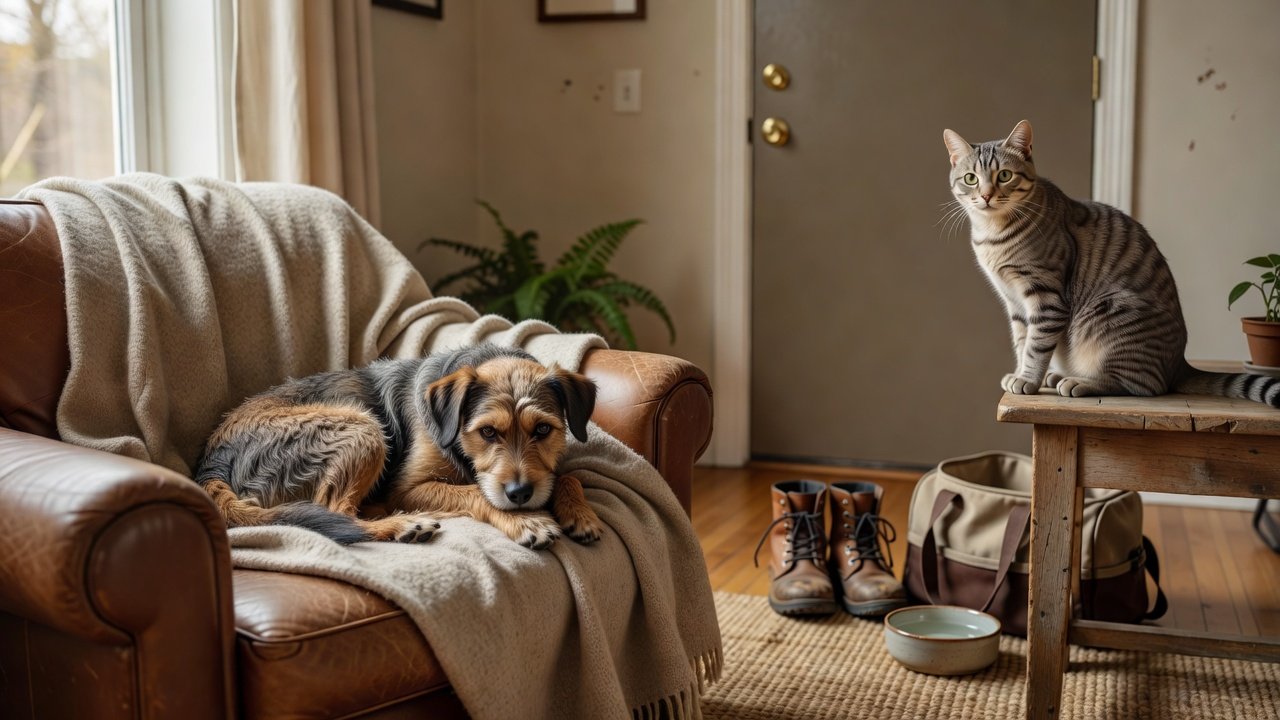
How to Handle Separation Anxiety in Adopted Pets

Adopting a pet from a shelter or rescue is one of those life-changing decisions that fills your home with love and your heart with purpose. Yet what every pet owner who’s adopted knows is that our new family members often arrive carrying invisible wounds from their past, and separation anxiety is one of the most common challenges we face together.
My rescue cats have taught me that this distress isn’t about being naughty—it’s pure fear of being left behind again. Adopted dogs and cats, from energetic Labrador Retrievers and German Shepherds to sensitive Siamese and Bengals, frequently show signs like excessive barking, destructive chewing, or inappropriate elimination because they’ve known sudden changes or neglect before. Recognizing that their anxiety stems from abandonment fears rather than spite is the first gentle step toward helping them feel secure.
Dogs might pace by the door or vocalize loudly when you leave, while cats often hide or over-groom to cope. Spotting these early behaviors can keep things from turning into bigger health worries, like stress-related digestive upset.
Many shelter animals develop separation anxiety after abrupt moves from crowded kennels or difficult previous homes. Breed temperament matters too—high-energy dogs like Border Collies need extra mental outlets, and even more independent cats such as British Shorthairs can still struggle with sudden solitude. A quick health check rules out any medical issues that might be making the anxiety worse.
What every rescue advocate learns is that training works best when it starts the moment they come home. Begin with short, positive departures, rewarding calm moments with treats or favorite toys. Consistency from everyone in the household helps the pet understand that alone time is safe and temporary.
Counter-conditioning has been a game-changer for the families I hear from. Pairing your exit with something wonderful, like a puzzle feeder stuffed with food, builds happy associations. Slowly stretch the alone time from minutes to hours while keeping an eye on progress through a camera. Dogs often settle beautifully with crate training plus breed-specific exercise, and cats thrive with vertical perches and interactive toys that let them “hunt” while you’re gone.
Understanding the root causes of separation anxiety in adopted pets goes deeper than surface-level behaviors. Many rescue animals have experienced multiple transitions—from their original homes, through shelters or foster care, and finally into adoption. Each transition can compound their sense of instability. Some adopted pets may have spent weeks or months in kennels where they had minimal human interaction or predictability. Others may have come from homes where they were suddenly surrendered without warning. This trauma history means that when you leave, your newly adopted pet isn’t just reacting to your absence—they’re potentially reliving past abandonment experiences. This is why their anxiety can feel so intense and why patience becomes our most valuable tool in helping them heal.
Simple daily rhythms make a world of difference. A morning walk for dogs or play session for cats burns off nervous energy and encourages rest. Skip the dramatic goodbyes and over-the-top welcomes when you return—those can actually heighten their emotions. Over weeks of steady effort paired with enrichment, most adopted pets begin to blossom in their new homes.
Creating a calm space helps quiet those triggers. Calming pheromone diffusers work well for both species, and leaving out bedding or an old shirt with your scent gives them comfort. In homes with multiple pets, make sure each one has their own resources to avoid extra stress. Regular vet visits keep an eye on overall health and catch anything that could intensify the behavior.
Helpful tools like anxiety wraps, soft background noise, or automatic treat dispensers can support the training, but introduce them gradually so your sensitive rescue doesn’t feel overwhelmed. White noise machines or gentle music specifically designed for anxious pets can mask outside sounds that trigger fear responses. Some pet owners find success with leaving on calming music or even the television at low volume, which can provide a sense of presence without being overstimulating. The key is finding what works for your individual pet’s temperament.
Professional support should never be overlooked as a valuable resource. A certified animal behaviorist can assess your specific situation and create a customized training plan tailored to your adopted pet’s unique history and needs. Unlike general trainers, behaviorists have specialized education in the psychology of animal behavior and can recognize subtle signs that indicate whether your pet needs additional interventions. In some cases, your veterinarian may recommend short-term anti-anxiety medication to help your pet remain calm enough to learn new behaviors during the critical early weeks of adjustment. This medication is never a permanent solution but rather a bridge that allows your pet’s nervous system to settle enough for training to be effective.
Gradual desensitization requires patience and a realistic timeline. You cannot rush this process. Start by simply picking up your keys and setting them down without leaving. Do this several times a day until your pet stops reacting. Progress to putting on your coat and shoes, then opening the door without actually leaving. These tiny steps might seem tedious, but they teach your pet that preparation for departure doesn’t always mean abandonment. Only after your pet shows genuine calm during these preparatory steps should you attempt short absences—even just thirty seconds at first. Many families find success by leaving for work-from-home days or by staggering their schedules so the pet isn’t always alone for full eight-hour stretches initially.
The physical environment itself plays an underestimated role in managing separation anxiety. Consider using baby gates to gradually expand your pet’s comfort zone rather than confining them to a single room. Some anxious pets actually feel more secure with boundaries and a smaller space initially. Ensure the area is temperature-controlled, well-lit during the day, and has access to water. Remove any potential hazards that an anxious pet might encounter during a panic response—secure loose cords, remove toxic plants, and ensure there are no small objects they could ingest in a stressed state.
Here are the key facts that underscore why this work matters so much:
– Approximately 20-40% of adopted dogs display some form of separation anxiety within the first three months of placement.
– Cats experience separation anxiety at rates up to 15%, often linked to early weaning or multiple rehomings.
– Consistent positive reinforcement training reduces symptoms by 70% within eight weeks according to behavioral studies.
– Breed predisposition exists, with working dog breeds showing higher incidence than toy breeds.
– Untreated anxiety can lead to secondary health problems including weight loss and weakened immune function in pets.
– Studies show that adopted pets with established routines and predictable schedules show faster improvement than those without structure.
– The average timeline for significant improvement in separation anxiety is 4-12 weeks with consistent training, though some pets may need longer depending on their previous trauma history.
Another often-overlooked consideration is the impact of your own emotional state on your adopted pet’s anxiety. Animals are remarkably perceptive and can pick up on our stress and worry. If you’re anxious about leaving your pet, they will sense that tension. This doesn’t mean ignoring the problem, but rather approaching it with calm confidence. Staying positive about your pet’s progress, even during setbacks, helps reinforce that everything will be okay. Some families find it helpful to keep a simple journal tracking their pet’s improvements, which provides encouragement during the inevitable moments when progress feels slow.
Watching a once-anxious rescue settle into confident companionship is one of the most rewarding parts of adoption. With patience, structured training, and a thoughtfully enriched home, these animals learn they are finally safe. Early support prevents long-term struggles and deepens the beautiful bond that makes rescue work so worthwhile.
Sources
- American Kennel Club (AKC) – Expert advice on separation anxiety in dogs
- ASPCA – Separation anxiety information and treatment options
- VCA Animal Hospitals – Veterinary guidance on separation anxiety
- PetMD – Comprehensive article
Related Posts
- Signs Your Dog Has Separation Anxiety
- How to Handle Multi Pet Household Introductions
- Natural Remedies for Pet Anxiety Issues