
Step by Step Guide to Potty Training Puppies
Bringing a rescue puppy into your home is one of those life-changing moments that reminds you why we open our hearts to animals in the first place. Potty training puppies becomes that crucial first step toward building trust and keeping your shared space comfortable for everyone. What every pet owner who’s adopted knows is that patience and consistency turn those early weeks into the foundation of a bond that lasts a lifetime. With the right approach, most puppies settle into reliable house training within a few weeks, easing stress for both the pup and the family.
My rescue cats have taught me that animals respond best when we meet them where they are, without judgment. The same holds true for puppies, whose young bodies simply haven’t developed full bladder control yet. Dogs under six months typically need to relieve themselves every two to three hours, right after meals, naps, and play sessions. Learning to read their signals—sniffing, circling, or a soft whine—helps you stay one step ahead and prevents unnecessary accidents.
Younger puppies especially need gentle expectations, since accidents are completely normal in the beginning. Breeds like Labrador Retrievers and German Shepherds often catch on quickly thanks to their eagerness to please, while smaller ones such as Chihuahuas may need extra patience because of faster metabolisms. Tracking patterns in a simple notebook, the way many of us do with our adopted pets, lets you anticipate needs and protect your floors.
Understanding your puppy’s biological clock is fundamental to successful potty training. Puppies typically need to go out within fifteen to thirty minutes of eating, since their digestive systems work quickly and efficiently. After playtime or excitement, they’ll also need a bathroom break—the adrenaline and activity stimulate their systems. Even brief naps of thirty minutes to an hour can trigger the need to eliminate upon waking. By recognizing these predictable windows, you’re essentially setting your puppy up for success rather than waiting for accidents to happen and then reacting to them.
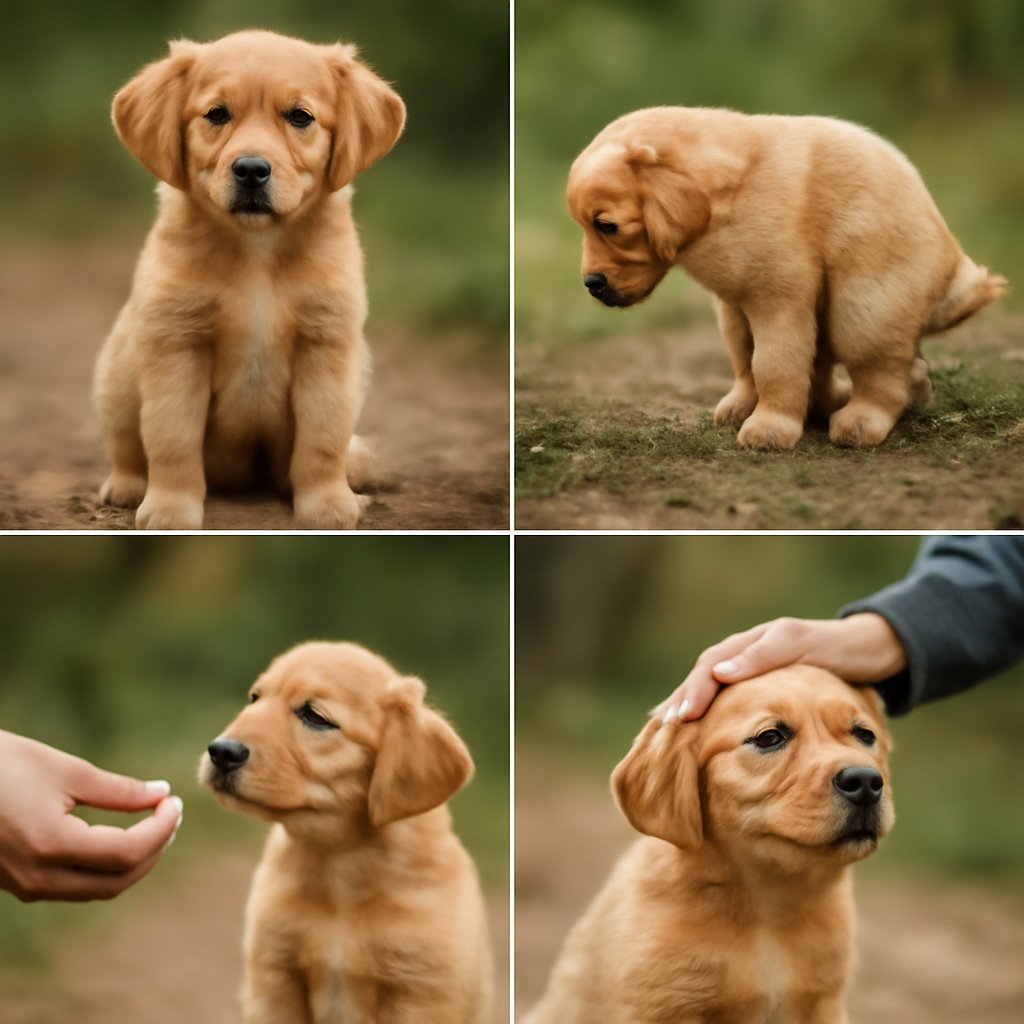
Choosing one consistent outdoor spot near the door creates a clear association through scent, turning potty time into a positive ritual. Celebrating success right away with treats and warm praise works wonders, while punishment only creates fear and slows everything down. What every rescue advocate learns quickly is that kindness builds far stronger habits than correction ever could. When your puppy eliminates outside, the timing of your reward matters tremendously—praise and treat within seconds of the behavior creates a strong neural connection between going potty outdoors and positive outcomes.
A steady daily rhythm makes all the difference. Feed meals at the same times, head outside first thing in the morning, after eating, following naps, and before bed. Evening water can be limited a bit to cut down on nighttime mishaps, but keep fresh water available during the day. Crate training pairs beautifully here—pick a size that lets your puppy stand and turn but not soil one end. Most puppies naturally avoid soiling their sleeping area, so the crate becomes a comforting den rather than a cage.
The science behind crate training reveals why it’s so effective. Puppies have an innate instinct inherited from their wild ancestors to keep their sleeping quarters clean. By using a properly sized crate, you’re leveraging this natural instinct rather than fighting against it. The key is ensuring the space isn’t too large—if a puppy can relieve themselves in one corner and sleep in another, they’ll do exactly that. The crate should be just large enough for your puppy to stand, turn around, and lie down comfortably. Introducing the crate gradually with positive associations—treats, toys, and praise—makes it a safe haven rather than a place of confinement.
Many new puppy owners struggle with nighttime training, which requires a slightly different approach than daytime housetraining. Until your puppy reaches about four months old, nighttime accidents are entirely normal and shouldn’t be considered failures. Their bladders simply aren’t mature enough to hold urine through the night. Establishing a bedtime routine—a final outdoor potty break thirty to sixty minutes before sleep—helps set your puppy up for success. Some trainers recommend taking your puppy out once during the night for young pups, especially those under twelve weeks, though this varies by individual development and breed size.
Setbacks happen, whether from illness, a move, or just the adjustment period that comes with adoption. Return to more frequent outings and clean any indoor spots thoroughly with enzymatic cleaners so old smells don’t invite repeats. If progress stalls, a quick vet check can rule out issues like urinary tract infections. Medical causes are surprisingly common culprits in housetraining regression—urinary tract infections, parasites, digestive upset, or even anxiety-related issues can all trigger accidents that have nothing to do with training failure. Working closely with your veterinarian ensures you’re addressing the root cause rather than just the symptom.
Once basic control is in place, you can slowly offer more indoor freedom while keeping a close eye. Baby gates help, and continued rewards for outdoor success keep motivation high. For busy households, doggy doors or guidance from a certified trainer can support those trickier cases, especially with certain herding breeds. Puzzle toys add mental stimulation that cuts down on anxiety-related accidents, and gentle socialization with other dogs builds the confidence every rescue pet deserves.
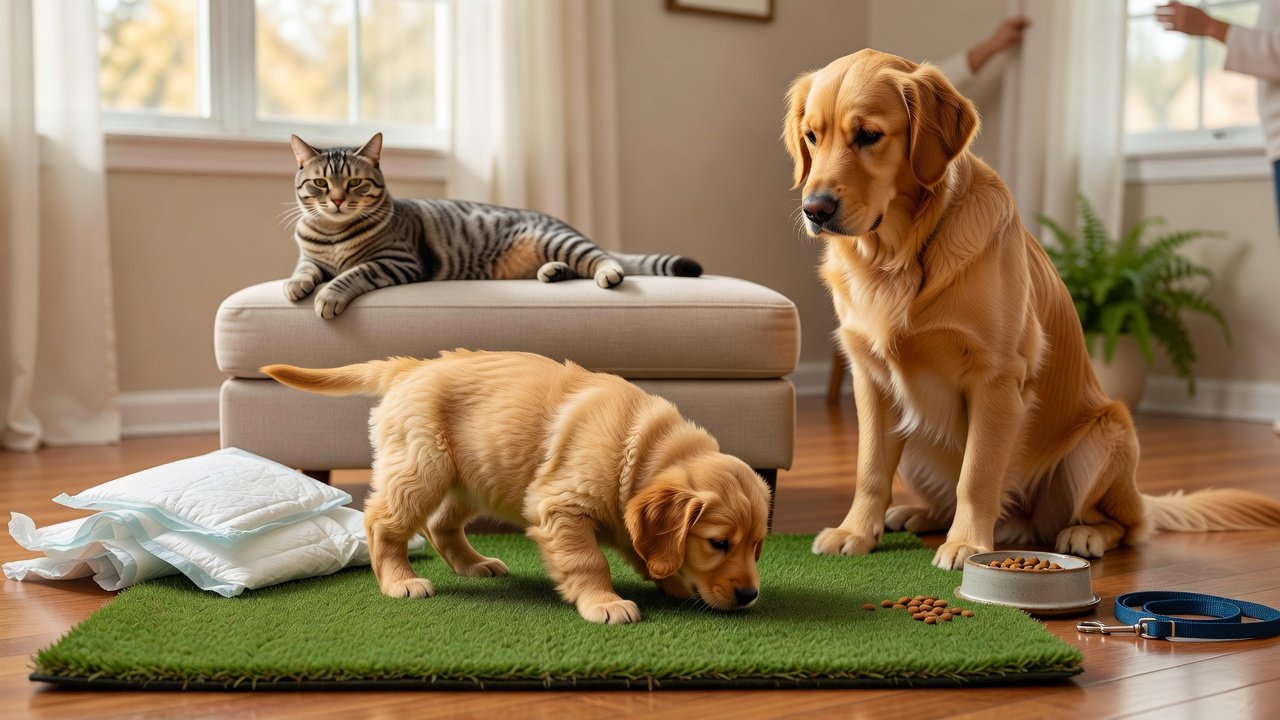
Environmental management plays a surprisingly large role in potty training success. Supervising your puppy constantly during the learning phase means watching for those early warning signs—restlessness, sniffing, circling—so you can rush them outside before an accident occurs. When you can’t supervise, the crate or a small, confined puppy-proofed space keeps them safe and prevents habit-forming accidents. Some families find success with indoor potty pads as a transitional tool, though research shows direct outdoor training typically results in faster overall housetraining. If you choose pads, understand that you’re essentially teaching your puppy it’s acceptable to eliminate indoors, which can complicate the transition to outdoor-only relief.
Most puppies reach reliable house training between four and six months with steady effort. Small-breed puppies often need about twenty percent more frequent breaks than larger ones because of quicker digestion. Positive reinforcement lifts success rates by up to eighty percent compared with punishment methods. Accidents tend to peak in the first two weeks before habits settle, and crates naturally reduce indoor incidents by giving puppies that safe, den-like space they prefer to keep clean.
Building on successful foundations, consistency becomes your greatest asset as training progresses. Every family member should follow the same routine, use the same outdoor spot, and deliver rewards with similar timing and enthusiasm. Inconsistency confuses puppies and dramatically slows training progress. Additionally, keeping a simple log of your puppy’s bathroom times, eating schedule, and any accidents helps identify patterns and shows whether progress is genuinely occurring or if adjustments are needed.
Watching your rescue puppy master this milestone is pure joy. It sets the tone for a well-mannered companion and a peaceful home. Keep tracking progress, stay patient, and reach out to your veterinarian if anything lingers. Your furry friend is already lucky to have landed with someone willing to walk this path alongside them.