
What to Know Before Getting Persian Cats
“`html
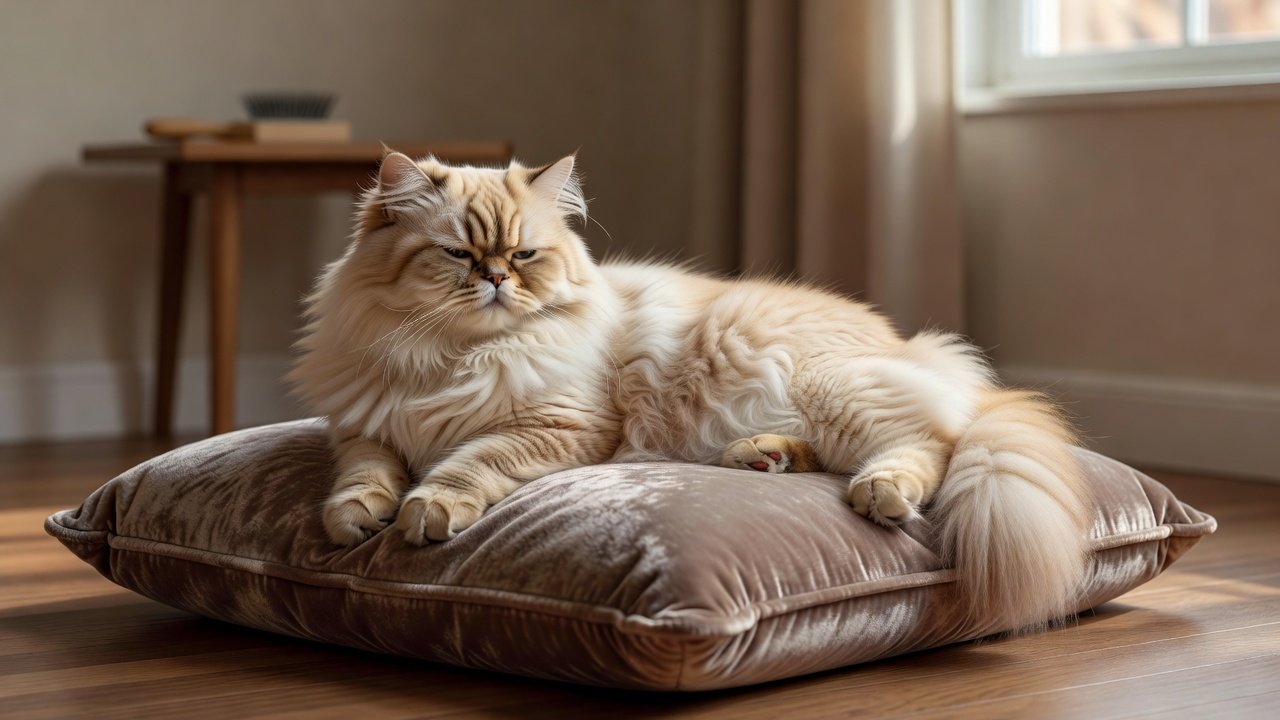
Getting a Persian cat into your home isn’t something to take lightly, given how their distinctive flat faces and flowing coats come with very specific care requirements that go well beyond what most owners anticipate. In my years as a vet tech, I’ve seen countless families fall for that regal look only to struggle with the daily realities of keeping these cats comfortable and healthy. From a clinical standpoint, what owners miss here is how the breed’s brachycephalic structure and dense undercoat create ongoing vulnerabilities that demand proactive management rather than reactive fixes.
Persian cats trace back to 17th-century Persia, now Iran, where Italian travelers first carried the long-haired cats to Europe as exotic gifts. Selective breeding over time locked in the flattened facial profile and thick fur that define the breed today. This same history explains why responsible sourcing matters so much. Breeders developed both the traditional doll-face Persians and the more extreme peke-face versions, and the latter often intensifies breathing and tear-duct problems that we see regularly in clinic.
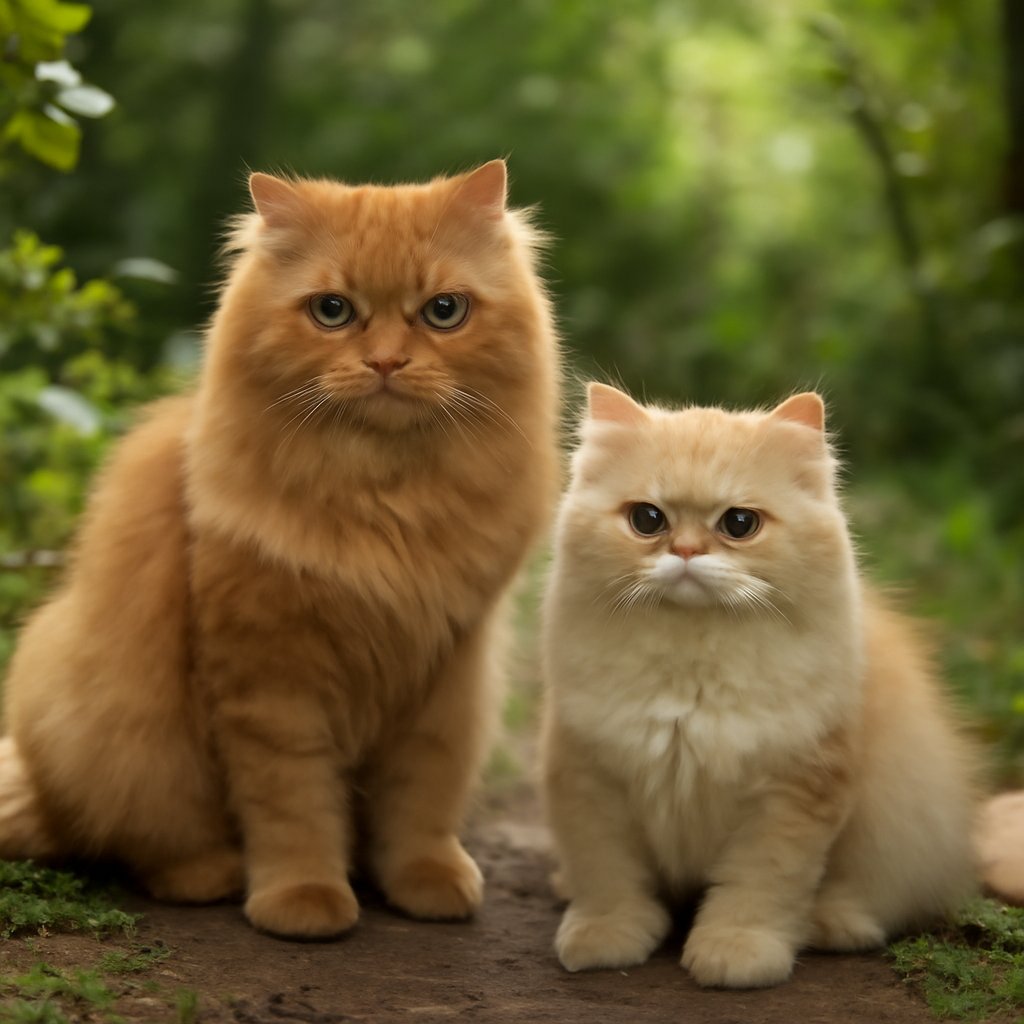
The difference between doll-face and peke-face Persians deserves closer attention if you’re seriously considering this breed. Doll-face Persians maintain a slightly longer muzzle that allows for more natural breathing patterns and fewer eye-related complications, making them the healthier choice for first-time Persian owners. Peke-face varieties, while undeniably striking in appearance, require significantly more intensive care and veterinary oversight. If you’re drawn to the Persian aesthetic but concerned about extreme health challenges, the doll-face variety offers a reasonable middle ground without compromising the breed’s elegant appeal.
These cats tend to be affectionate but prefer calm routines, lounging in quiet corners instead of chasing toys at high speed. Their temperament suits households with older children or adults who handle them gently. Early, consistent socialization from kittenhood helps them accept new people and pets without becoming overly withdrawn, something I’ve reinforced through basic handling protocols that reduce stress during veterinary visits. Persians thrive on predictability—sudden changes to their environment, loud noises, or frequent disruptions can trigger anxiety that manifests as behavioral withdrawal or loss of appetite.
Daily grooming stands out as the most labor-intensive part of ownership. Their silky coat mats quickly if neglected, which can trap moisture against the skin and lead to bacterial dermatitis. I routinely recommend 15 to 20 minutes of brushing each day plus periodic cat-safe baths to control shedding and dander. The flat face adds another layer: tear overflow stains the facial folds, so gentle cleaning with vet-approved wipes prevents secondary infections that owners often overlook until discomfort sets in. Beyond daily brushing, you’ll want to invest in quality tools—a slicker brush, a metal comb, and a grooming mat that contains loose fur—to make the process manageable and less messy throughout your home.
Many owners underestimate the cost of professional grooming services, which typically run $75 to $150 per session depending on your location and the cat’s condition. Some people schedule professional grooming every 6 to 8 weeks as supplemental care, especially during seasonal shedding peaks in spring and fall. If your Persian’s coat becomes severely matted, professional intervention becomes necessary, and severely matted coats sometimes require shaving under sedation—an expensive and stressful experience for both cat and owner. Preventing this situation through consistent home grooming is far preferable.
Health-wise, Persians carry elevated risks for polycystic kidney disease, hypertrophic cardiomyopathy, and airway obstruction tied to their shortened muzzles. Up to 40 percent may inherit the PKD gene, which is why genetic screening at acquisition and regular ultrasounds matter. Indoor living in temperature-controlled environments reduces respiratory strain during heat or stress, and spaying or neutering lowers certain cancer risks. Annual wellness costs frequently exceed $500 once you factor in dental cleanings, parasite prevention, and monitoring for these hereditary issues.
Beyond these major conditions, Persians often experience chronic eye issues that require ongoing management. Entropion, where the eyelid rolls inward, and excessive tearing can necessitate surgical correction or daily eye care regimens. Some Persians benefit from periodic use of lubricating eye drops, especially during dry seasons or in homes with heating systems that reduce humidity. Additionally, their shortened tear ducts mean infections clear more slowly, so any sign of redness, discharge, or squinting warrants prompt veterinary evaluation to prevent corneal damage.
Respiratory challenges deserve special attention in this breed. Many Persians snore, snuffle, and make breathing sounds that owners initially find endearing but which actually signal mild airway obstruction. In warmer months or during exercise, these breathing difficulties intensify, making heat management critical. Keeping your home at 70 degrees Fahrenheit or cooler, providing quiet rest areas away from direct sunlight, and avoiding strenuous play helps prevent respiratory distress. If your Persian pants excessively, seems unable to catch its breath, or displays blue-tinged gums, these are emergency warning signs that require immediate veterinary care.
Nutrition should focus on high-quality formulas designed for long-haired breeds to support coat condition while guarding against obesity, a common problem in less active Persians. Wet food helps maintain urinary tract health, and measured portions combined with puzzle feeders encourage light movement without overtaxing their systems. Vertical spaces like sturdy cat trees allow gentle climbing that keeps joints mobile and minds engaged. Since Persians are prone to weight gain, portion control is essential—many owners unwittingly overfeed their cats, thinking frequent small meals are beneficial when actually they contribute to obesity and exacerbate joint and respiratory strain.
Consider incorporating omega-3 and omega-6 fatty acids into their diet through fish-based foods or supplements, as these support both coat health and cognitive function. Some Persians benefit from foods formulated specifically for kidney health, particularly if they carry the PKD gene, though discuss dietary modifications with your veterinarian before implementing changes. Dental health matters too—while their flat faces make tooth brushing challenging, quality kibble or prescription dental diets can help reduce tartar buildup and gum disease that accelerates with age.
Source kittens only from breeders who perform health clearances and allow visits to meet the parents. Shelters sometimes have Persians available for adoption, which can be a solid route if the cat’s history is well documented. Typical adults weigh 7 to 12 pounds and, with attentive care, live 12 to 17 years. They rank among the top five most popular breeds in CFA registrations, shed year-round with seasonal peaks, and adapt best to stable, low-stress homes.
When evaluating breeders, ask for proof of PKD screening via ultrasound, cardiac evaluations for hypertrophic cardiomyopathy, and documentation that parents and kittens have been examined by a veterinarian. Reputable breeders should welcome questions about their breeding practices, genetic testing protocols, and health guarantees. A reasonable health guarantee typically covers genetic conditions for the first year or two of life and includes provisions for returning the cat if serious hereditary issues develop. Be cautious of breeders who sell kittens before 12 weeks of age, don’t allow facility visits, or refuse to provide health documentation—these are red flags indicating potential kitten mill operations.
If you adopt an adult Persian from a rescue, ensure you understand its complete medical history, behavioral tendencies, and any pre-existing conditions. Adult adoptions can be excellent experiences, often at lower cost than purchasing from breeders, and you’ll benefit from a cat that may be past the exhausting kitten stage. However, inherited conditions like PKD may not manifest until later in life, so continued preventive screening matters regardless of the cat’s age at adoption.
In the end, these cats reward dedicated owners with steady companionship, but only when grooming, preventive screenings, and environmental adjustments are treated as non-negotiable parts of the routine. Thorough preparation upfront prevents the health setbacks I see far too often in practice. If you’re willing to commit to daily grooming, multiple veterinary visits annually, temperature control, and financial reserves for unexpected health expenses, a Persian cat can be an exceptionally rewarding companion. However, if your lifestyle involves frequent travel, a chaotic household environment, or limited time for grooming and healthcare, honestly consider whether a different breed might suit your situation better. The right match between owner expectations and breed characteristics ensures a healthier, happier life for your feline companion.