
Signs of Arthritis in Older Cats and Management
“`html
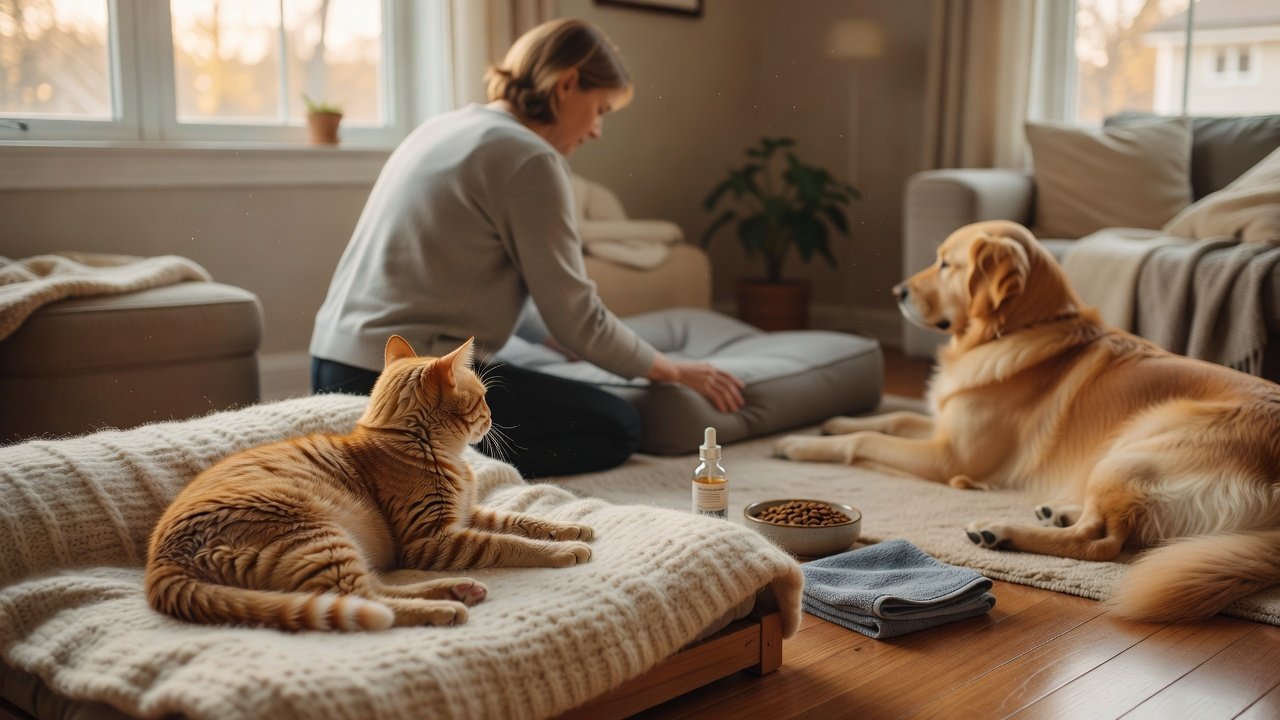
As our feline companions move into their senior years, watching them navigate the world with a little less spring in their step can tug at the heart—especially when you’ve welcomed a rescue cat into your home and seen firsthand how much love they still have to give despite past hardships. What every pet owner who’s adopted knows is that these animals often arrive with stories, and sometimes those stories include the quiet ache of joint wear that comes with age. Arthritis, or osteoarthritis, creeps in for so many cats over ten, bringing stiffness, discomfort, and a gradual pullback from the playful routines we cherish. Spotting the early signs lets us step in with the same gentle care that defines rescue culture, helping our seniors keep moving comfortably.
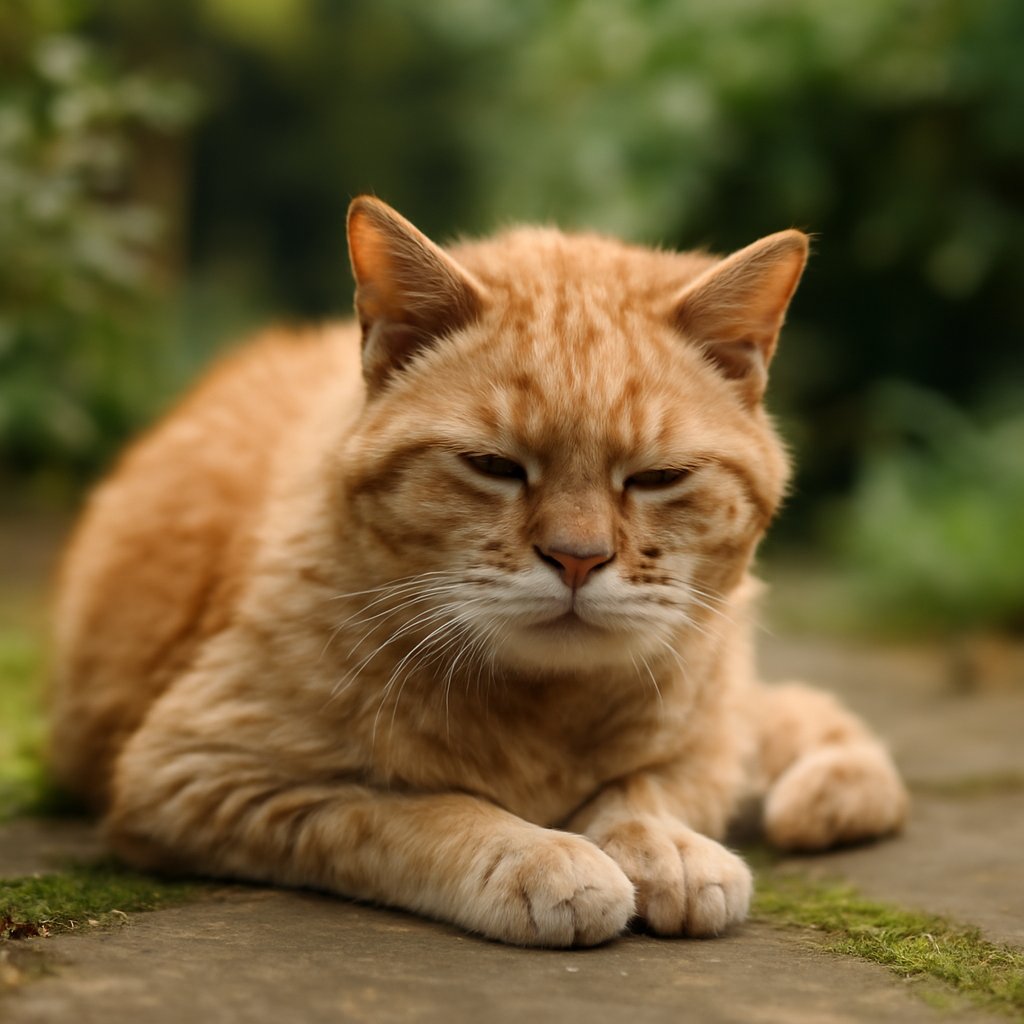
My rescue cats have taught me that behavioral shifts often whisper the first clues long before anything dramatic appears. A once-adventurous jumper might suddenly skip the windowsill or countertop, choosing the floor instead, or hesitate at the litter box when the sides feel too tall, leading to unexpected accidents around the house. You might notice more grumpiness during petting sessions, as they instinctively guard tender spots, or a coat that grows matted because grooming the lower back and hind legs has become too painful. These changes aren’t just quirks; they’re quiet calls for help from a body that’s carried its share of years.
Physical signs can be just as telling. A stiff gait after resting, favoring one leg, or struggling to stand up might catch your eye, along with shrinking muscle tone in the affected limbs from less movement. Some cats grow more vocal with soft meows or growls when shifting position, and while swollen joints hide under fur, the discomfort often flares in chilly weather or after bursts of activity. What starts as subtle can deepen without attention, which is why paying close attention feels like an extension of the bond we build with adopted pets.
Changes in litter box habits deserve special attention, as they’re often the first red flag owners notice. Cats with arthritic hips, knees, or spine may find it painful to crouch in a traditional box, leading them to eliminate outside the box or in corners where they don’t have to bend as far. Low-entry boxes or even large, shallow storage containers with one side cut down can make a tremendous difference. Some owners find that offering multiple litter boxes in different locations—including on each floor of the home—reduces the distance arthritic cats must travel, which can help prevent accidents and keep them comfortable throughout the day.
Many cases trace back to simple wear on cartilage over time, though earlier injuries or genetics in breeds like Maine Coons and Persians can speed things along. Extra weight adds strain, too, turning weight management into one of the kindest preventive steps we can take. Underlying issues such as hip dysplasia or old fractures raise the odds, and even nutrition gaps in kittenhood can echo later. Regular vet visits catch these threads early, much like the proactive checkups that help rescue organizations place senior cats successfully.
It’s worth understanding that feline arthritis often affects multiple joints simultaneously, and the pain can be cumulative and complex. While we typically associate arthritis with the hips and knees, cats also suffer from spinal arthritis, which can limit their ability to turn their head, arch their back, or navigate stairs with their usual grace. Shoulder arthritis, though less common, can make climbing seem effortless one day and impossible the next. A veterinary examination, ideally including radiographs of the affected areas, gives you a complete picture of what your cat is experiencing and helps your vet recommend the most targeted treatment approach.
When it comes to easing the load, veterinarians often recommend anti-inflammatory options like meloxicam alongside joint supplements with glucosamine and chondroitin that rebuild support over consistent use. Injectable treatments such as polysulfated glycosaminoglycans offer another layer of relief, always dosed carefully since cats process medicines differently. Some veterinarians also recommend newer options like stem cell therapy or platelet-rich plasma injections, which show promise in early studies for cats with moderate arthritis. At home, small adjustments make a world of difference—think ramps or steps to favorite perches, plush orthopedic beds, and portion-controlled meals paired with gentle play like short laser chases. Puzzle feeders add mental spark while keeping movement light and enjoyable.
Creating an arthritis-friendly environment goes beyond just furniture modifications. Heating pads or heated beds can provide soothing warmth that naturally eases stiffness, much like how cats gravitate toward sunny windowsills on cold days. Some senior cats benefit from keeping food, water, and litter boxes all on the same level to minimize stair climbing. Non-slip mats on hard floors help arthritic cats maintain their footing and reduce the anxiety of slipping, which can make them reluctant to move at all. Even adjusting the height of food and water bowls—using elevated feeders—can reduce neck and spine strain during meals.
Alternative paths like massage, hydrotherapy, or acupuncture have brought real comfort to many arthritic cats, improving flexibility and easing chronic pain. Massage, whether performed by a certified feline massage therapist or gently by you at home, can increase circulation to affected areas and reduce muscle tension that develops around painful joints. Hydrotherapy in warm water pools allows arthritic cats to exercise with minimal joint stress, building strength without pain—though not all cats enjoy water, so this option works best for willing participants. Acupuncture, rooted in traditional Chinese medicine, has shown measurable benefits in some studies, potentially releasing endorphins and improving blood flow. Ongoing monitoring through follow-up appointments keeps the plan tuned as needs evolve, blending approaches for the best quality of life. My rescue cats have taught me that these steady routines turn ordinary days into something meaningful, strengthening the emotional ties that make adoption so rewarding.
Over 90 percent of cats twelve and older show radiographic signs of arthritis, though many stay undiagnosed because the clues are subtle and cats are naturally stoic animals. Shedding even 10 to 15 percent of excess weight can ease mobility noticeably, and supplements may need four to six weeks before benefits appear, so patience is key when introducing new treatments. Indoor living, while safer, sometimes limits natural movement and raises risks, while early pain relief can add active seasons to a cat’s life. Creating vertical spaces with wide, sturdy shelves and cat trees can encourage safe climbing that keeps muscles engaged. Breeds with shorter legs or stockier builds carry higher chances later on, and annual senior wellness exams boost early detection by up to 70 percent.
The emotional side of managing feline arthritis shouldn’t be overlooked. Senior cats often become more affectionate as mobility declines, seeking comfort and reassurance from their human companions. Recognizing this shift as a deepening of your bond rather than a step backward can help us embrace the caregiving phase with gratitude. Adapted play sessions—shorter, gentler, and more frequent—keep mental engagement high while respecting physical limitations.
Addressing these changes through attentive observation and thoughtful adjustments lets us give our older rescues the comfortable golden years they deserve. From noticing small shifts to mixing medical care with home comforts, proactive steps keep the connection strong. If you spot concerning signs, reach out to your veterinarian for a plan tailored to your cat—because every adopted senior reminds us how deeply these bonds matter.
Sources
- ASPCA – Arthritis in Cats
- VCA Animal Hospitals – Arthritis (Osteoarthritis) in Cats
- PetMD – Arthritis in Cats: Signs, Causes, and Treatment
-
Related Posts
- Signs of Arthritis in Older Dogs Treatment
- Understanding the Behavior of Bengal Cats
- Preventive Care Tips for Keeping Cats Healthy
- Facts About the Playful Personality of Bengal Cats
- Why Sphynx Cats Need Special Skin Care Routines