
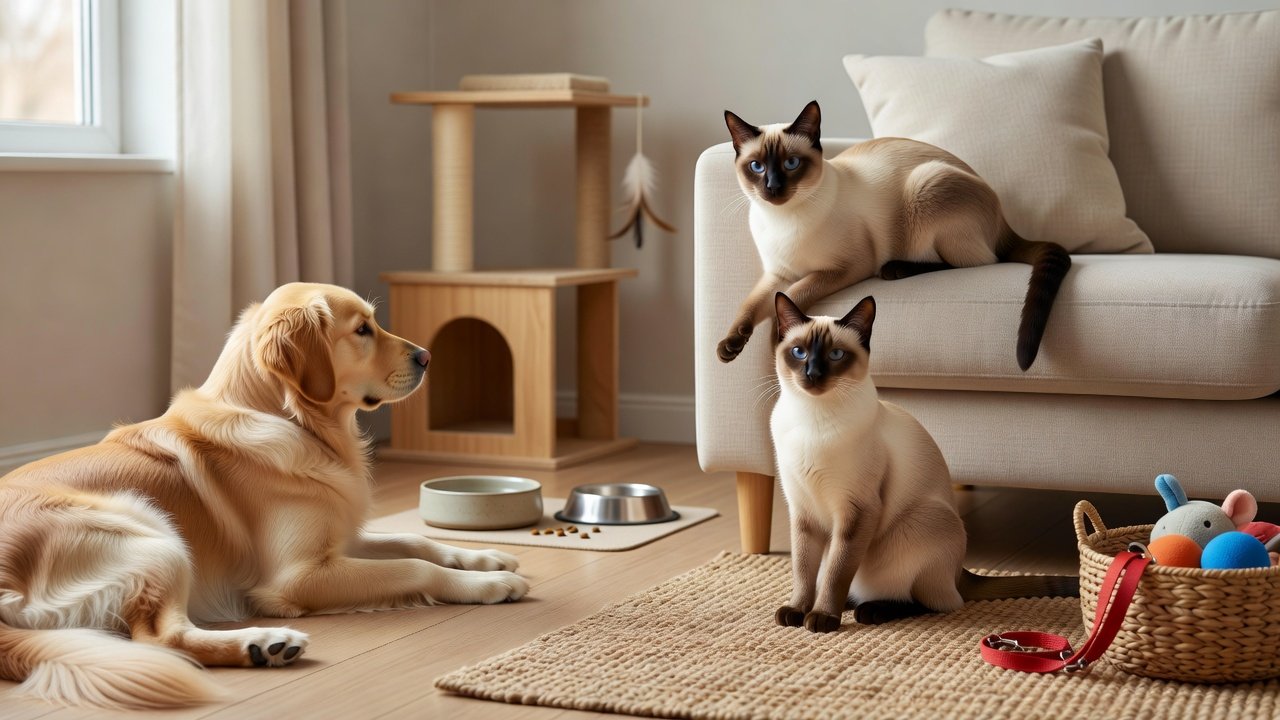
Understanding the Social Needs of Siamese Cats
“`html
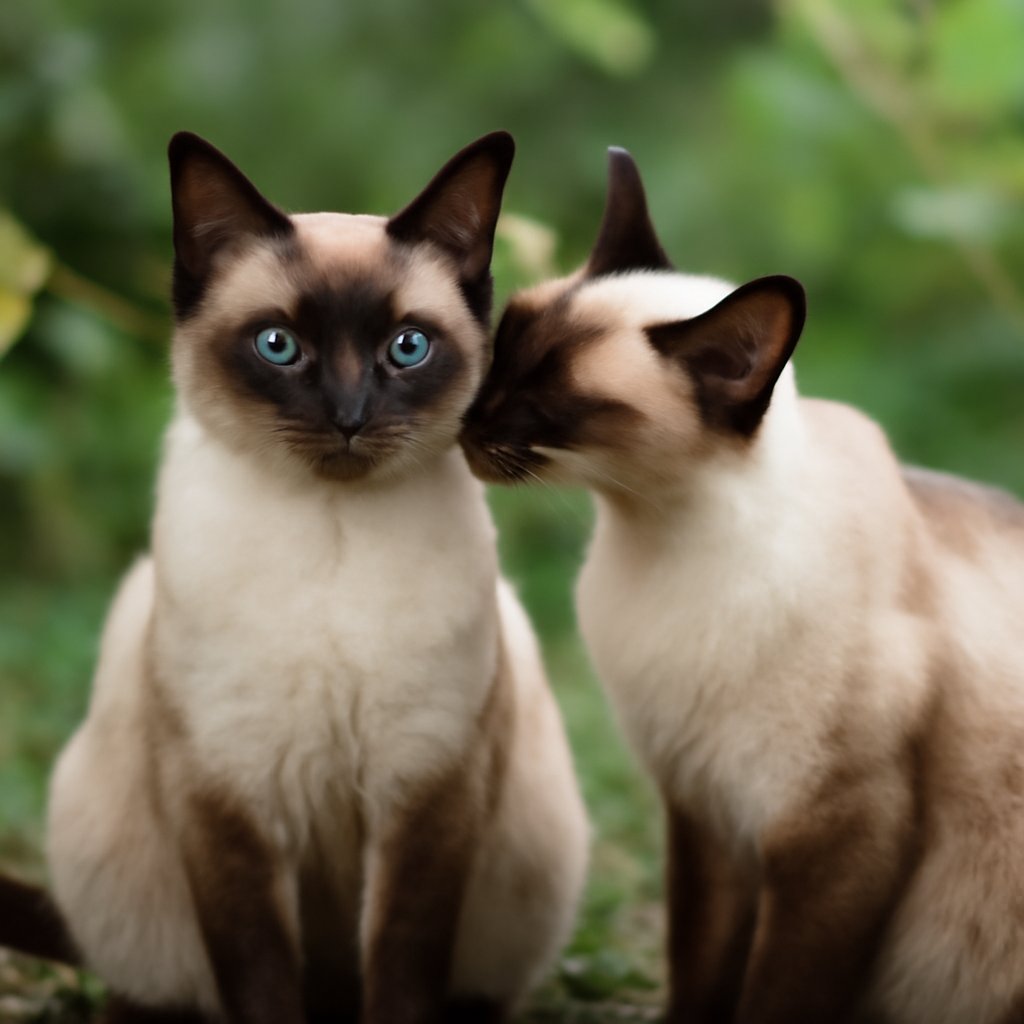
Siamese cats demand a level of social engagement that sets them apart from most other breeds, and meeting those needs is fundamental to supporting both their mental health and physical well-being. Their intelligence and loyalty translate into constant vocal demands and a preference for close human contact, which, when ignored, quickly escalates into stress-related problems that show up in veterinary clinics far too often.
From a clinical standpoint, what owners miss here is how deeply this breed’s royal Thai origins have wired them for companionship rather than solitude, turning daily interaction into a non-negotiable part of care. In my years as a vet tech, I’ve seen this situation countless times where a Siamese left without sufficient attention develops excessive grooming or sudden aggression that resolves once routines are adjusted.
These cats form tight bonds, often shadowing their people room to room or announcing arrivals with distinctive meows and chirps that serve as clear requests for engagement. When those signals are overlooked, destructive or withdrawn behaviors follow, which is why consistent play, lap time, and mental enrichment become daily priorities rather than optional extras. Structured routines help here, reinforcing the human-cat connection while reducing the likelihood of anxiety-driven conditions that prompt extra vet visits.
The vocal nature of Siamese cats deserves particular attention, as many first-time owners are surprised by the frequency and intensity of their communication attempts. Unlike the occasional meows of other breeds, Siamese cats engage in near-constant dialogue with their owners, using different vocalizations to express hunger, boredom, affection, and demands for play. This isn’t a behavioral problem—it’s a feature of the breed. Owners who understand and respond to these communications report stronger bonds and happier cats. Ignoring these vocalizations or punishing the cat for “being too loud” creates frustration on both sides and can damage the trust between cat and owner. Instead, learning to interpret what your Siamese is trying to tell you transforms the experience into an enriching conversation that deepens your relationship.
Enrichment tools such as puzzle feeders, interactive toys, and scheduled cuddle sessions directly address these requirements, and multi-cat homes can ease the load when introductions are handled gradually. Puzzle feeders in particular serve double duty—they slow down eating, which aids digestion, while simultaneously providing mental stimulation that keeps boredom at bay. Window perches with bird feeders outside offer hours of entertainment and mental engagement. Feather wands, laser toys, and ball chasers should be rotated weekly to maintain novelty and excitement. Positive reinforcement training, a method I routinely apply in behavior work, builds their confidence and lowers stress, much as it does with the dogs I train. Dedicating at least two hours each day to active play and conversation, while rotating toys and adding climbing structures, keeps boredom at bay. Early socialization to leash walks or car rides further expands their environment without overwhelming their curiosity.
One often-overlooked aspect of Siamese cat care is the importance of vertical spaces in the home. These intelligent, agile cats thrive when given multiple levels to explore and claim as their own territories. Cat trees, wall-mounted shelves, and climbing highways give them places to observe their domain and retreat when they need solitude—which even social cats require. Providing these vertical spaces reduces stress and gives your Siamese a sense of control over their environment. Additionally, the physical activity involved in climbing and jumping helps maintain healthy weight and muscle tone, which is particularly important for preventing obesity-related health problems common in indoor cats.
Separation anxiety is a frequent challenge when these cats are left alone for extended stretches, which is why solutions like remote cameras, pheromone diffusers, and compatible second cats often prove effective. Remote cameras allow you to check in on your cat throughout the day and even interact with them through two-way audio features, which can significantly reduce anxiety during work hours. Feliway and similar feline pheromone diffusers create a calming environment by mimicking natural calming pheromones that cats produce themselves. If your work schedule keeps you away for extended periods, hiring a pet sitter to visit midday for play and interaction can make an enormous difference in your cat’s wellbeing and behavior. Regular veterinary checkups catch any emerging issues tied to loneliness before they compound.
The choice of whether to introduce a second cat into a Siamese household requires careful consideration. While multi-cat homes can alleviate some loneliness symptoms, not all Siamese cats are equally social with other felines. The key is gradual introduction, separate spaces initially, and careful monitoring of interactions. Some Siamese thrive with a companion, while others prefer being the sole focus of their owner’s attention. Age matching can help—introducing a kitten to an adult Siamese often works better than two unfamiliar adults, as the younger cat’s playfulness can appeal to the older one’s need for engagement. If you decide to adopt a second cat, allow at least two to three weeks for proper introduction before considering them fully integrated.
Understanding the breed’s medical predispositions is also crucial for comprehensive care. Siamese cats are genetically prone to certain conditions including crossed eyes, heart problems, and kidney disease, though responsible breeders work to minimize these traits. Additionally, stress-related illnesses are more common in this breed when their social needs aren’t met. Regular veterinary visits become even more important, as early detection of both breed-specific and stress-related conditions can prevent serious complications. Blood pressure checks, kidney function tests, and cardiac evaluations should be part of routine senior care for Siamese cats.
Key facts bear this out: Siamese cats rank among the top five most social breeds and typically need twice the daily interaction of average cats. Research indicates that more than six hours alone daily triggers stress behaviors in over 70 percent of cases. Owners who prioritize social needs see 40 percent fewer anxiety-related veterinary visits. These cats can master up to 20 simple commands with consistent training, proper socialization before 12 weeks produces more adaptable adults, and multi-pet homes cut reported loneliness symptoms by nearly 60 percent. Studies have also shown that Siamese cats who receive adequate social interaction have significantly lower stress hormone levels and live longer, healthier lives than those left alone for extended periods.
The investment of time and energy required to properly care for a Siamese cat’s social needs is substantial, but the rewards are equally significant. These cats offer unparalleled companionship, loyalty, and entertainment to owners willing to meet them halfway. Before bringing a Siamese into your home, honestly assess whether your lifestyle can accommodate their need for constant engagement. If you frequently work long hours with no ability to provide midday interaction, travel extensively, or prefer low-maintenance pets, a Siamese may not be the right match. However, if you’re seeking a feline companion who will greet you at the door, follow you through your home, sit on your lap, and engage in meaningful interaction throughout the day, a Siamese cat can become one of the most rewarding relationships of your life.
Incorporating daily engagement, enrichment, and attentive monitoring creates conditions where Siamese cats maintain stronger bonds and better overall health.
Sources
“`