
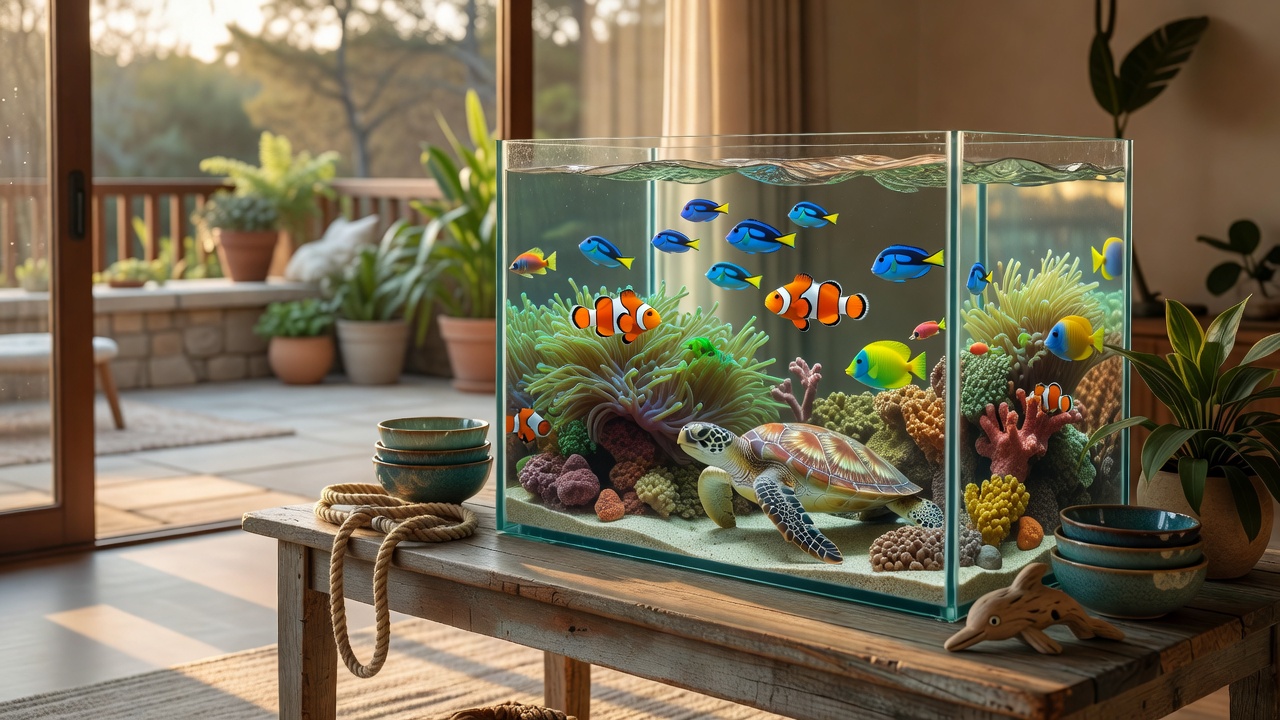
Marine Animals: A Guide to Ocean Life & Adaptations
Marine animals make up one of the most staggering displays of life on our planet, and honestly, the more you learn about them, the more your jaw tends to drop. From tiny plankton drifting invisibly through the current to massive whales that can weigh as much as a jumbo jet, the ocean is packed with creatures that have adapted to survive in conditions most of us can barely imagine. Scientists estimate that up to 91% of ocean species haven’t even been formally described yet, according to a widely cited study published in PLOS Biology. That means every dive, every survey, every deep-sea expedition still has the potential to introduce us to something brand new.
This guide walks through the major groups of marine animals, how they’ve adapted to life underwater, and why they matter more than most people realize — even if you’ve never set foot on a boat.
What Counts as a Marine Animal?
Marine animals are simply animals that live in saltwater environments — oceans, seas, and salty estuaries — as opposed to freshwater lakes and rivers. That definition covers an enormous range of life. We’re talking about fish, mammals, reptiles, mollusks, crustaceans, sponges, and even birds that spend most of their lives at sea. Some marine animals never leave the water; others, like sea turtles and seals, split their time between land and ocean.
What ties them together isn’t appearance or size, it’s adaptation. Living in saltwater requires specialized organs for filtering or regulating salt, pressure-resistant bodies for deep-water dwellers, and often very different reproductive strategies than their land-based cousins.
Major Categories You’ll Encounter
- Marine mammals — whales, dolphins, seals, sea otters, and manatees
- Fish — from sardines to sharks to the bizarre deep-sea anglerfish
- Marine invertebrates — octopuses, jellyfish, crabs, starfish, and coral
- Marine reptiles — sea turtles and saltwater crocodiles
- Seabirds — penguins, albatrosses, and puffins that rely heavily on the ocean for food
How Marine Animals Survive Extreme Ocean Conditions
The ocean isn’t a gentle place. Pressure increases dramatically with depth, sunlight disappears within a few hundred meters, and temperatures can swing from tropical warmth to near-freezing in the deep trenches. Marine animals have developed some genuinely wild solutions to these challenges.
Pressure and Depth Adaptations
Deep-sea creatures like the anglerfish and giant squid have flexible skeletons and body cavities filled with fluid rather than air, which prevents them from being crushed under thousands of pounds of pressure per square inch. Sperm whales, meanwhile, can dive over 1,000 meters and hold their breath for up to 90 minutes thanks to specially adapted lungs and blood that stores extra oxygen, according to research summarized by NOAA.
Temperature Regulation
Polar marine animals like seals and penguins rely on thick blubber or dense feather layers to trap heat, while tropical species like clownfish and parrotfish thrive because their metabolism is tuned to warmer, stable waters. Some fish, like tuna, have even developed a partial warm-blooded system, allowing their muscles to stay warmer than the surrounding water for faster swimming.
Camouflage and Defense
Octopuses and cuttlefish can change both color and texture in a fraction of a second, blending seamlessly into coral or rock. Pufferfish inflate into spiky balls when threatened, and many reef fish use bold, confusing patterns to make it harder for predators to track their movement through the water.
Marine Animals and the Health of the Planet
It’s easy to think of marine life as separate from our everyday concerns, but the ocean does an enormous amount of quiet, unglamorous work that keeps the entire planet functioning. Phytoplankton alone produce roughly half of the oxygen we breathe, and marine animals play a huge role in keeping those ecosystems balanced.
Why Marine Biodiversity Matters
- Carbon storage — whales and other large marine animals help lock carbon into the deep ocean through their waste and eventual decomposition, a process researchers call the “whale pump”
- Food security — over three billion people rely on seafood as a primary protein source, per data from the FAO
- Reef protection — herbivorous fish like parrotfish keep algae in check, allowing coral reefs to stay healthy and support thousands of other species
Threats Facing Marine Life
Overfishing, plastic pollution, warming waters, and ocean acidification are hitting marine animals hard. Coral bleaching events have wiped out large sections of reef systems in recent years, and species like the vaquita porpoise are down to a critically small population due to accidental entanglement in fishing nets, as reported by the World Wildlife Fund. The good news is that marine protected areas and stricter fishing regulations have shown real success in helping populations rebound when they’re actually enforced.
Fun and Surprising Marine Animal Facts
- Sea otters hold hands while sleeping so they don’t drift apart in the current.
- Some jellyfish species have no brain, no heart, and no bones, yet they’ve been drifting through oceans for over 500 million years.
- The mimic octopus can imitate the appearance and movement of more than a dozen other sea creatures to avoid predators.
- A blue whale’s heart alone can weigh as much as a small car.
- Mudskippers are fish that can breathe air and walk on land using their fins.
How Everyday People Can Support Marine Animals
You don’t need to live near the coast to make a difference for marine animals. Reducing single-use plastic, choosing sustainably sourced seafood, and supporting reef-safe sunscreen brands are all small, practical steps. Coastal cleanups, citizen science programs, and donating to organizations focused on marine conservation also go a long way, especially in regions where enforcement of protection laws is limited.
Marine animals have been thriving in Earth’s oceans for hundreds of millions of years, adapting to conditions that would be lethal to almost any land-based creature. Learning about them isn’t just fascinating trivia — it’s a reminder of how connected our own survival is to the health of the world’s oceans.