
Why Sphynx Cats Need Special Skin Care Routines
“`html
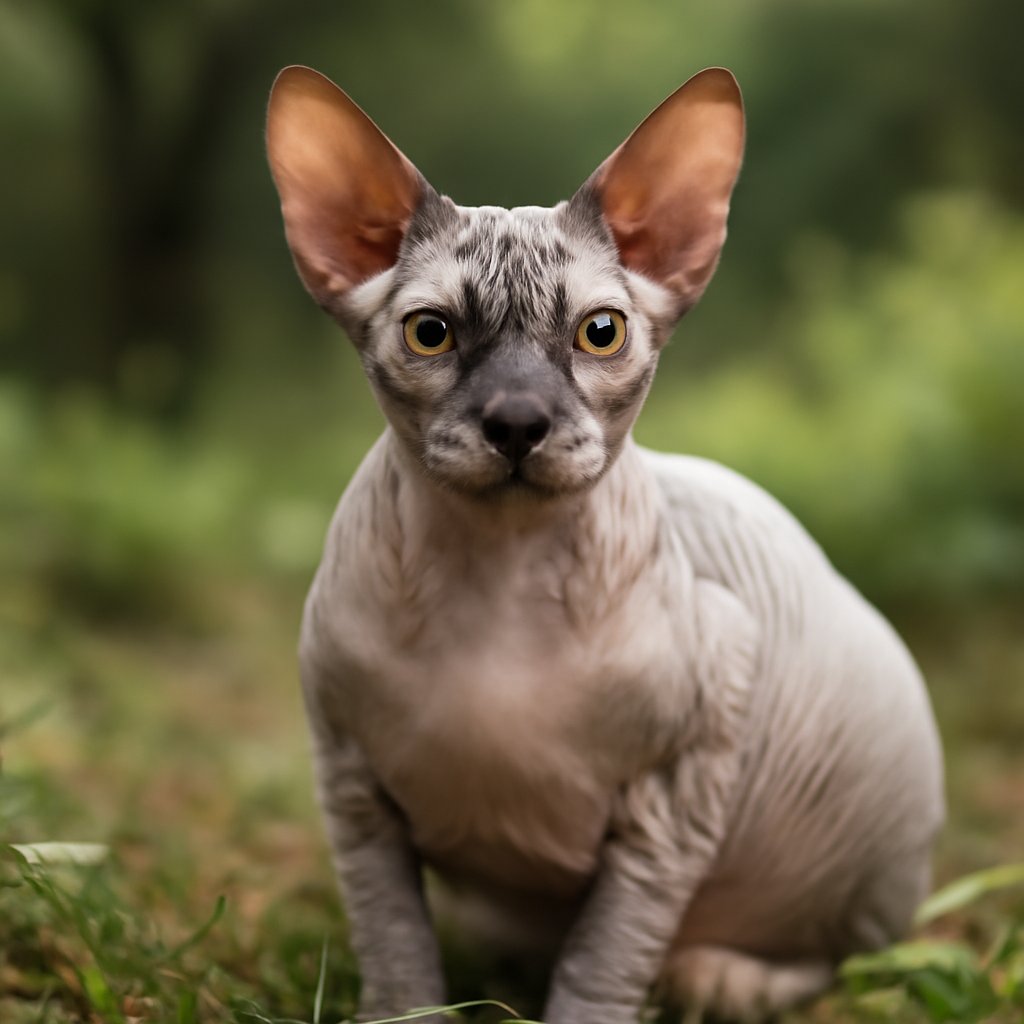
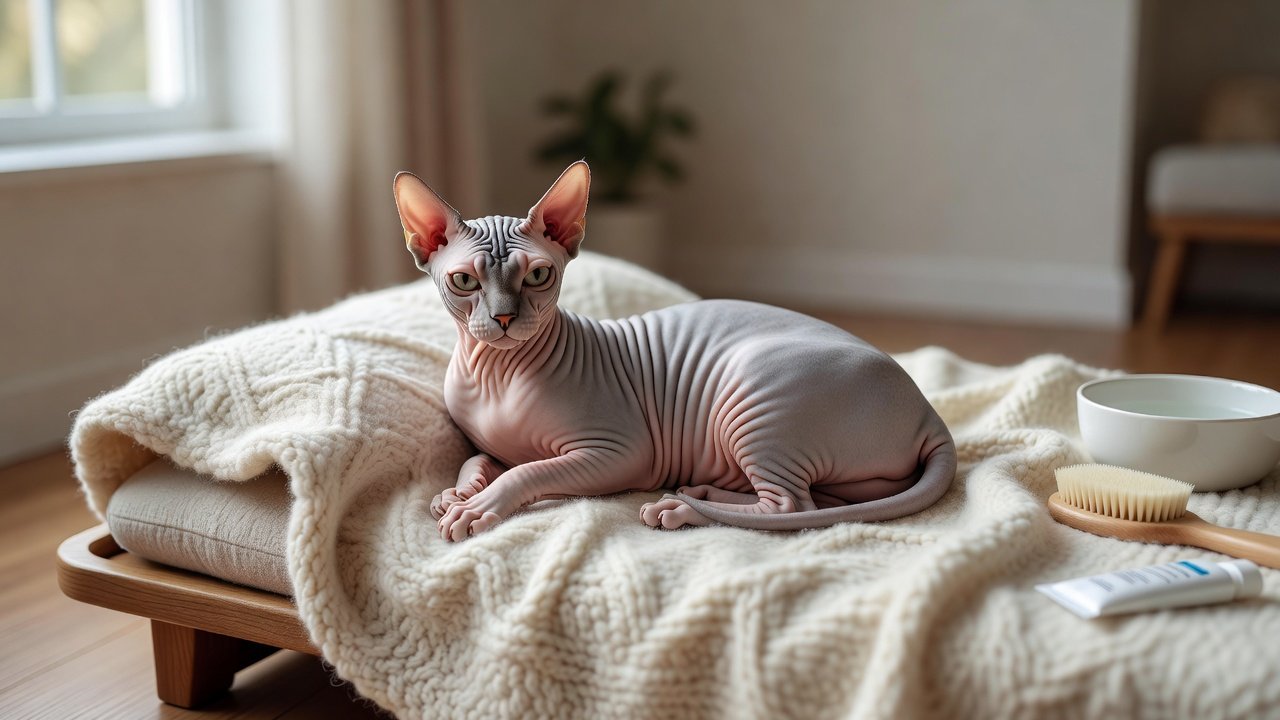
Sphynx cats require a level of skin maintenance that sets them apart from typical feline care because their lack of fur leaves the skin fully exposed and unable to manage its own oil production. From a clinical standpoint, what owners miss here is how this genetic mutation removes the natural barrier that fur provides in other breeds, forcing us to step in with deliberate routines to prevent buildup and irritation.
In my years as a vet tech, I’ve seen this situation countless times with hairless cats brought in for secondary infections that could have been avoided through consistent cleaning. Their sebaceous glands run in overdrive, producing far more sebum than furred cats, which quickly turns the skin greasy without anything to wick it away. This is why standard grooming routines fall short and why hypoallergenic, fragrance-free shampoos become essential tools rather than optional extras.
Oil accumulation commonly leads to acne and blackheads, especially around the chin and face. Weekly inspections combined with targeted wiping catch these issues early, and many owners find that sticking to a schedule cuts down on flare-ups dramatically compared with sporadic attention. The exposed skin also raises the risk of bacterial or fungal infections, particularly in humid homes, along with sensitivities to everyday household items. Monitoring for excessive scratching or redness and using vet-approved wipes helps catch problems before they escalate.
Understanding the unique physiology of Sphynx cats helps explain why their skin care needs are genuinely different from other breeds. The absence of fur means that melanin production in the skin isn’t distributed along hair shafts as protection against UV damage. This makes Sphynx cats significantly more vulnerable to sunburn, which can lead to painful peeling, discoloration, and even increased skin cancer risk over time. Many veterinarians recommend limiting direct sun exposure and applying pet-safe sunscreen with at least SPF 30 to exposed areas during outdoor time, particularly on the ears, nose, and any lighter-colored patches of skin.
The wrinkled nature of Sphynx skin adds another layer of complexity to their care routine. These folds and creases, which are part of their distinctive appearance, create warm, moist microclimates where yeast and bacteria thrive if not regularly cleaned. The areas around the neck, between the toes, and in the ear creases require special attention during bathing and daily wiping. I’ve found that using a soft, damp cloth to gently open these folds and clean between them prevents the uncomfortable infections that can develop when moisture and debris accumulate. This step takes only a few extra minutes but makes a substantial difference in preventing ear infections and dermatitis.
Bathing every one to two weeks with lukewarm water and a gentle, moisturizing shampoo works well for most Sphynx cats. Wet the skin thoroughly, massage in circular motions, and rinse completely to prevent residue. Follow with a thorough towel dry and, if needed, a cat-safe moisturizer. This process also doubles as handling practice that builds trust, much like the positive reinforcement methods I use in training sessions with dogs and cats alike.
Water temperature deserves specific mention because Sphynx cats lack the insulation that fur provides and become cold quickly. Cold water can stress the cat, constrict blood vessels, and potentially trigger respiratory issues in sensitive individuals. Always verify that water is comfortably warm—around 90-95 degrees Fahrenheit—before beginning the bath. This not only makes the experience more pleasant for your cat but also allows the pores to open properly, facilitating better cleansing. Some owners find that cats tolerate bathing better when they warm the bathroom beforehand and have a heated towel waiting to wrap the cat immediately after rinsing.
Daily wiping with damp cloths or specialized pet wipes between baths keeps ears, paws, and the belly clear of surface dirt. Lightweight, non-comedogenic lotions formulated for felines maintain hydration without clogging pores. Incorporating these steps into a predictable morning or evening rhythm improves compliance for both cat and owner. A diet that supplies adequate omega fatty acids supports skin health from the inside, and consulting a veterinarian about suitable supplements can help moderate excess oil production without disrupting the animal’s natural balance.
Nutrition plays a surprisingly important role in managing Sphynx skin health. Omega-3 and omega-6 fatty acids, found in fish-based foods and some quality cat foods, help regulate sebum production and reduce inflammation. Some veterinarians recommend adding fish oil supplements specifically formulated for cats, though dosages should always be discussed with your vet to avoid vitamin A toxicity or other imbalances. Additionally, ensuring adequate protein intake supports the skin barrier function and promotes faster healing from any irritation or minor wounds that may occur.
Environmental factors significantly impact Sphynx cat skin conditions. Dry indoor environments created by heating systems in winter can cause excessive flaking and itching, while high humidity promotes fungal growth. Maintaining moderate humidity levels—ideally between 40-60 percent—using a humidifier during dry months, and ensuring good air circulation through your home creates a more balanced environment for your cat’s sensitive skin. Some owners have noticed improvement in their cats’ skin conditions simply by adjusting environmental humidity and temperature consistency.
The choice of bedding and furniture fabrics also matters for Sphynx cats. Their sensitive, exposed skin can react to synthetic materials, dyes, and rough textures. Soft, breathable, and frequently washed bedding made from natural fibers like cotton reduces irritation and bacterial buildup. Avoiding heavily perfumed laundry detergents for items your cat contacts regularly prevents contact dermatitis that can look remarkably similar to yeast infections.
Key points to keep in mind include that Sphynx cats generate up to ten times the sebum of typical breeds, regular bathing lowers infection rates substantially according to veterinary data, and owners who maintain weekly care often notice clearer skin and reduced acne within a month. Temperature regulation matters too because the skin lacks insulation, and attentive routines help minimize chronic conditions that can affect longevity.
One often-overlooked aspect of Sphynx care is the importance of regular veterinary check-ups specifically focused on skin health. Because these cats are prone to certain dermatological conditions, establishing a relationship with a vet experienced in treating hairless breeds allows for early intervention and preventative strategies tailored to your individual cat. Quarterly or bi-annual skin evaluations can catch issues like ringworm, mites, or sebaceous cysts before they become serious problems.
Consistent application of these specialized steps turns what might feel like extra work into a reliable way to support long-term comfort and health. The same principles of structured, proactive care that guide my work with dogs translate directly here, ensuring these affectionate animals stay comfortable under attentive management. While the grooming demands of Sphynx cats are undoubtedly higher than most breeds, owners who embrace these routines find that their cats develop healthier skin, fewer infections, and a noticeably improved quality of life. The investment in proper skin care during a cat’s younger years often pays dividends by preventing chronic dermatological issues that become increasingly difficult to manage as the animal ages.
Sources
“`