
Signs Your Cat Might Have Urinary Problems
As a rescue advocate who’s brought home three wonderful cats over the years, I know firsthand how these quiet companions can mask their discomfort until things turn serious. My rescue cats have taught me that paying close attention to the little changes in their routines isn’t just good pet parenting—it’s an act of love that honors the trust they placed in us when they left shelter life behind. Understanding the signs your cat might have urinary problems is essential for every pet owner, as feline urinary tract issues can lead to serious health complications if left untreated. Cats often hide discomfort, making it critical to watch for subtle changes in behavior, litter box habits, and overall well-being that point to conditions like feline lower urinary tract disease (FLUTD), bladder crystals, or infections. Early recognition of these signs your cat might have urinary problems allows for prompt veterinary intervention and better outcomes.
What every pet owner who’s adopted knows is that our rescued friends sometimes carry hidden stresses from their past, which can show up in unexpected ways like urinary troubles.
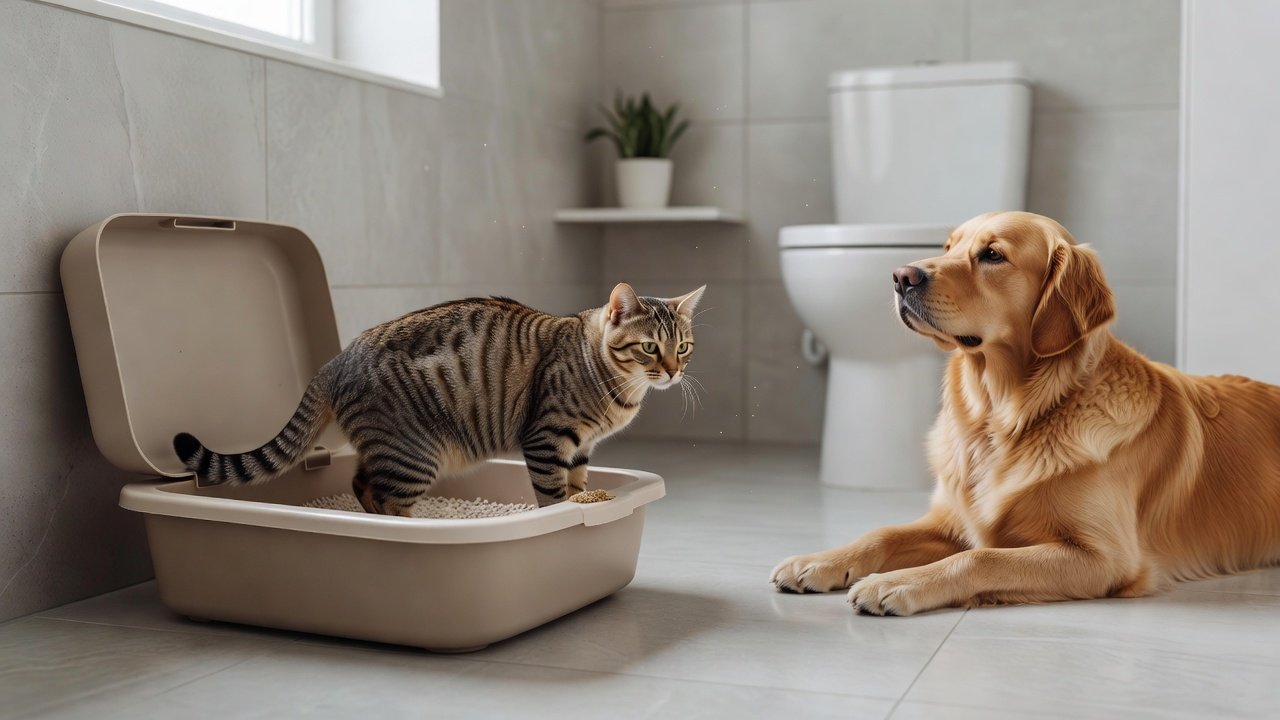
One of the most noticeable signs your cat might have urinary problems involves altered bathroom routines. Your cat may urinate more frequently in small amounts, strain visibly while in the box, or avoid the litter box altogether and choose unusual spots like carpets or sinks. Increased vocalization during urination or excessive licking of the genital area often accompanies these behaviors, signaling pain or irritation in the urinary tract.
Blood-tinged urine, cloudy appearance, or a strong ammonia odor are clear indicators of potential feline urinary tract issues. Cats experiencing discomfort might show reduced appetite, lethargy, or restlessness. In severe cases, complete blockage prevents urination, leading to a swollen abdomen and emergency symptoms such as vomiting or collapse, which demand immediate care. Owners should also note grooming changes, as cats with urinary discomfort may over-groom their belly or hindquarters. These signs your cat might have urinary problems can appear gradually or suddenly, especially in multi-cat households where stress exacerbates the condition.
Several underlying factors contribute to urinary problems in cats. Diet plays a major role, with dry food increasing concentration of minerals that form crystals or stones. Stress from environmental changes, new pets, or lack of enrichment can trigger idiopathic cystitis. Bacterial infections, though less common in cats than dogs, may arise secondary to other issues.
Certain cat breeds face higher risks. Persians and Himalayans often develop polycystic kidney disease that indirectly affects the urinary system, while Siamese and Burmese cats show elevated rates of FLUTD. Male cats, particularly neutered ones, are more prone to blockages due to narrower urethras. Understanding these breed tendencies helps tailor preventive care like specialized diets or increased water intake. Obesity and lack of exercise further heighten vulnerability by promoting concentrated urine. Regular monitoring of weight and providing puzzle feeders encourages hydration and activity to reduce risks.
Veterinarians diagnose urinary problems through urinalysis, blood tests, and imaging like X-rays or ultrasounds to identify crystals, stones, or inflammation. Treatment varies from antibiotics for infections to prescription diets that dissolve crystals and promote dilute urine. Pain management and fluid therapy address acute episodes, while severe blockages may require catheterization or surgery.
Prevention focuses on increasing moisture through wet food or water fountains. Multiple clean litter boxes in quiet locations reduce stress. Environmental enrichment with scratching posts, vertical space, and play sessions helps minimize anxiety-related flare-ups. Routine wellness exams allow early detection before signs your cat might have urinary problems become severe. Supplements like glucosamine may support bladder health in at-risk cats, but always consult a vet before introducing them. Tracking daily water consumption and litter box output provides valuable data for ongoing management.
Up to 8% of cats visiting veterinary clinics present with signs of urinary tract disease annually. Male cats are four times more likely than females to experience life-threatening urethral blockages. FLUTD affects approximately 1-3% of the feline population, with recurrences common without dietary changes. Cats over 10 years old show increased incidence of urinary tract infections linked to kidney decline. Stress-induced cystitis accounts for over 50% of lower urinary tract cases in young to middle-aged cats. Proper hydration can reduce crystal formation risk by more than 40% in predisposed breeds.
Recognizing the signs your cat might have urinary problems empowers owners to act quickly and protect their pet’s health. Through breed awareness, stress reduction, dietary management, and regular veterinary check-ups, many urinary issues can be prevented or effectively managed. Staying observant of litter box behavior and physical cues ensures your cat enjoys a comfortable, active life free from painful urinary complications. Prioritize these pet care practices for optimal feline wellness—especially when your furry family member came to you through rescue, carrying the quiet resilience that makes every bond so deeply rewarding.