
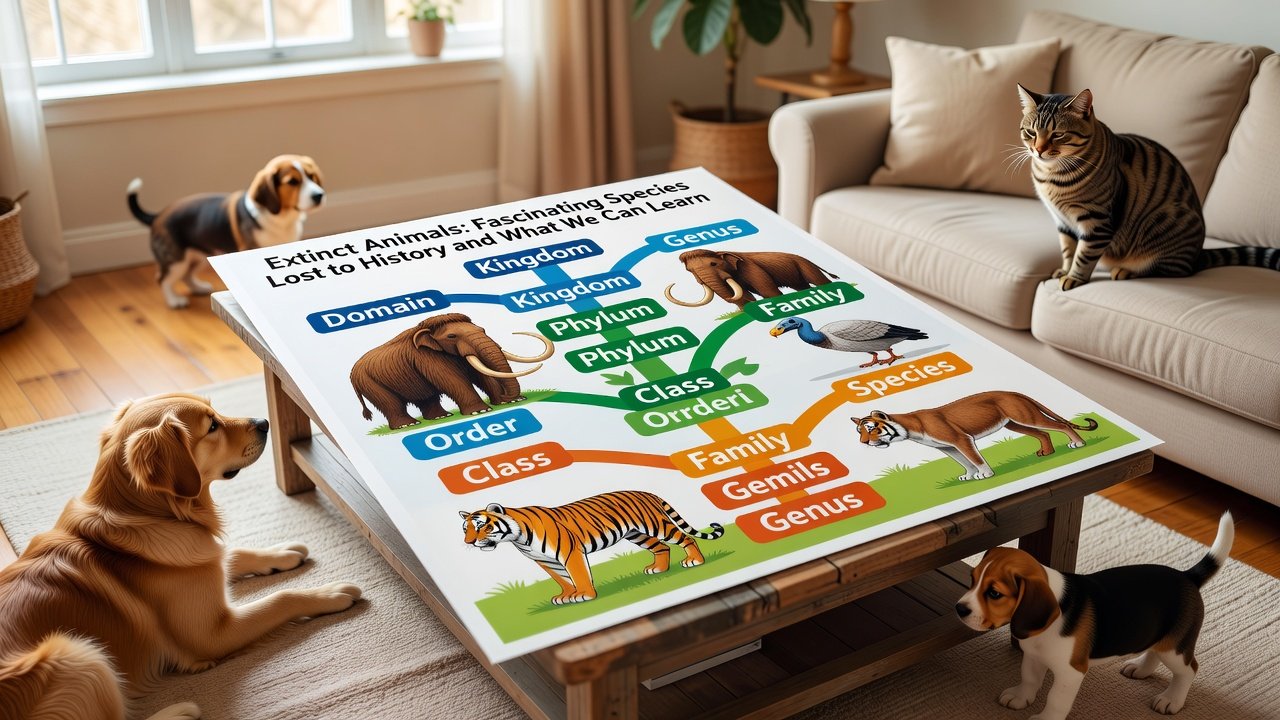
Extinct Animals: Fascinating Species Lost to History and What We Can Learn
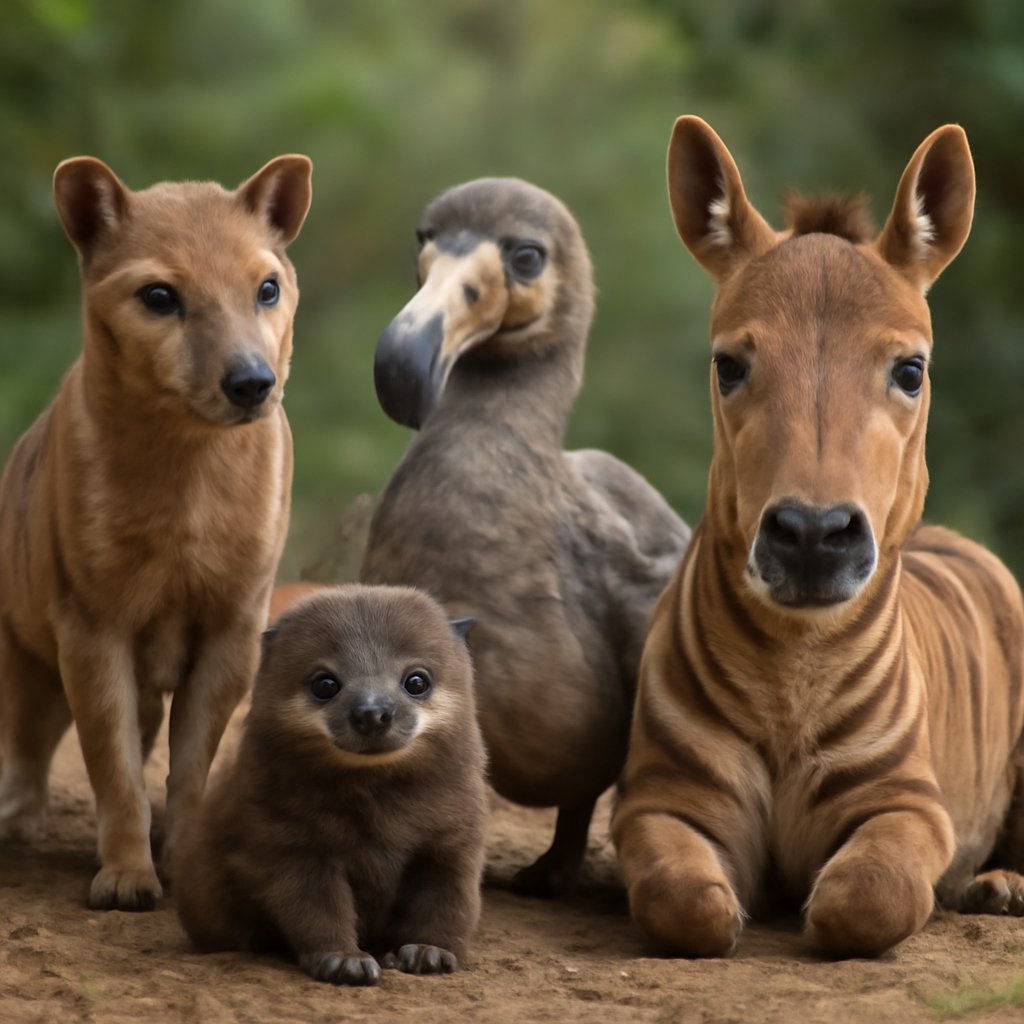
Throughout Earth’s 4.5-billion-year history, countless species have vanished forever. These extinct animals tell powerful stories about evolution, environmental change, and the delicate balance of nature. Some disappeared millions of years ago due to natural causes, while others vanished within the last few centuries because of human activity. Understanding these lost species helps us appreciate the incredible biodiversity we still have and motivates us to protect endangered animals before it’s too late.
From a clinical standpoint, what owners and land managers miss here is how quickly habitat disruption cascades into population collapse, much like the infectious disease outbreaks I’ve managed in shelter settings over the years.
What Does Extinction Mean?
Extinction occurs when the last living member of a species dies, and no individuals remain anywhere on Earth. This is a permanent loss that cannot be reversed. Scientists distinguish between different types of extinction based on timing and cause. Mass extinction events—when large numbers of species disappear relatively quickly—have occurred multiple times in Earth’s history. The most famous was the K-Pg extinction event 66 million years ago, which wiped out the dinosaurs.
Today, we’re experiencing what many scientists call the “sixth mass extinction,” driven primarily by human activities. Understanding the difference between natural extinction and human-caused extinction helps us take responsibility for protecting the species still living among us.
In my years as a vet tech, I’ve seen this situation countless times when clients delay intervention until a condition becomes irreversible in their pets.
Famous Extinct Animals Throughout History
Several extinct animals have captured human imagination and become symbols of our conservation failures. Let’s explore some of the most notable species we’ve lost.
The Woolly Mammoth
One of the most iconic extinct animals, the woolly mammoth roamed the frozen tundras of North America, Europe, and Asia for thousands of years. These massive creatures, standing up to 11 feet tall and weighing up to 6 tons, had thick fur that protected them from Ice Age conditions. The last woolly mammoths died out approximately 4,000 years ago, with the final population surviving on Wrangel Island in the Arctic Ocean until around 2000 BCE.
Scientists believe woolly mammoths disappeared due to a combination of climate change and overhunting by humans. Their extinction marked the end of the Pleistocene megafauna era. Interestingly, researchers are now attempting to bring back woolly mammoths through genetic engineering, using preserved DNA from frozen specimens.
The Dodo
The dodo is perhaps the most famous example of extinction caused by human activity. This flightless bird lived exclusively on the island of Mauritius in the Indian Ocean and went extinct in the late 1600s—less than 100 years after European settlement. Dodos were large, slow birds that couldn’t escape predators or compete with invasive species brought by sailors, including rats, pigs, and monkeys.
The dodo became a symbol of human-caused extinction, immortalized in popular culture and literature. Their extinction serves as a powerful reminder of how quickly species can disappear when their habitats are disrupted and invasive species are introduced.
The Passenger Pigeon
Once the most abundant bird in North America, passenger pigeons numbered in the billions. These birds traveled in flocks so massive they darkened the sky. Yet by 1914, the last passenger pigeon died in captivity, representing one of the most dramatic extinctions in recorded history. Commercial overhunting for meat and habitat loss drove this species from billions to zero in just a few decades.
The Tasmanian Tiger
The thylacine, commonly called the Tasmanian tiger, was a carnivorous marsupial native to Tasmania, Australia, and New Guinea. This remarkable extinct animal resembled a dog with distinctive tiger-like stripes. European settlers hunted them relentlessly, viewing them as threats to livestock. The last known thylacine died in captivity in 1936, making it one of the most recent large mammal extinctions.
The Quagga
The quagga was a partially striped zebra subspecies that lived in South Africa until the 1880s. Unlike their zebra cousins, quaggas had stripes only on their heads and front bodies, with brown hindquarters. Hunters killed them extensively for hides and meat until the last quagga died in captivity in 1883. This extinction shocked Victorian society and inspired early conservation efforts.
Why Did These Extinct Animals Disappear?
Extinct animals vanished for various interconnected reasons. Understanding these causes helps us prevent future extinctions.
Habitat Loss
When humans clear forests, drain wetlands, or develop land for agriculture and cities, we destroy the homes that animals need to survive. This is one of the leading causes of extinctions today. Many extinct animals lost their habitats gradually, unable to adapt or relocate.
Overhunting
Before modern conservation laws, humans hunted animals with little restraint. Passenger pigeons, quaggas, and numerous other extinct animals were hunted to extinction for food, fur, or sport. Overhunting remains a threat to endangered species worldwide.
Climate Change
Natural climate shifts contributed to the extinction of many prehistoric extinct animals, including woolly mammoths and giant ground sloths. Today, rapid human-caused climate change threatens species that cannot adapt or migrate quickly enough.
Invasive Species
When non-native species are introduced to new environments, they can devastate native populations through predation, competition, or disease. The dodo’s extinction was largely caused by invasive rats and pigs that ate eggs and competed for food.
Disease
Diseases can wipe out entire populations, especially when animals lack natural immunity. Some scientists believe disease contributed to the extinction of Tasmanian tigers.
Prehistoric Extinct Animals: Before Modern Humans
Long before humans dominated Earth, countless extinct animals roamed our planet. The dinosaurs are the most famous, but many other remarkable species vanished: saber-toothed cats (Smilodon), giant ground sloths, woolly rhinoceros, giant Irish elk, and Megatherium.
Recent Extinct Animals and Modern Conservation Lessons
Some of the most recent extinct animals disappeared within the last few centuries, during the time when we had the knowledge and ability to save them.
Baiji River Dolphin (Functionally Extinct 2002)
This freshwater dolphin lived in China’s Yangtze River for millions of years. Boat traffic, fishing nets, pollution, and damming destroyed its habitat. The baiji represents the first dolphin species driven to extinction by human activities. This extinction was entirely preventable, making it a tragic reminder of our conservation failures.
Pyrenean Ibex (Extinct 2000)
The last Pyrenean ibex, a wild goat subspecies, died in Spain in 2000 when a tree fell on it. This extinction was dramatic and symbolic—the species literally ended with a single falling tree. Scientists later used DNA to create a clone, though it died shortly after birth.
Spix’s Macaw (Extinct in Wild)
While not completely extinct, this beautiful blue macaw from Brazil is extinct in the wild. Only about 160 exist in captivity. This species demonstrates how habitat destruction and illegal pet trade can push animals to the brink of extinction.
What Can We Learn From Extinct Animals?
The stories of extinct animals teach us invaluable lessons about conservation and our responsibility to protect biodiversity.
Act Before It’s Too Late
Many extinct animals could have been saved with earlier intervention. When we wait until a species is nearly gone, recovery becomes nearly impossible. Conservation efforts work best when they’re implemented before populations become dangerously small.
Protect Habitats
Preserving natural habitats is the most effective extinction prevention strategy. National parks, wildlife reserves, and protected forests provide the space animals need to thrive.
Regulate Hunting and Trade
Legal protections against overhunting and illegal wildlife trade prevent extinctions. Species like African elephants and humpback whales have recovered due to hunting regulations.
Address Climate Change
Reducing greenhouse gas emissions protects species vulnerable to rapid environmental change. This global effort affects every living creature on Earth.
Control Invasive Species
Preventing the introduction of non-native species and removing existing invasive populations protects native wildlife from competition and predation.
Extinct Animals and Modern Technology
Scientists are exploring innovative ways to prevent extinctions and even reverse some losses. De-extinction projects aim to resurrect species like woolly mammoths and passenger pigeons using genetic technology. While de-extinction is controversial and expensive, it represents our growing commitment to preserving biodiversity.
DNA preservation projects store genetic material from endangered species, creating insurance against extinction. If a species does disappear, its genetic code might be recovered for future resurrection attempts.
Endangered Animals: The Extinct Animals of Tomorrow?
Understanding extinct animals helps us identify and protect today’s endangered species. Currently threatened with extinction are giant pandas, black rhinos, Sumatran orangutans, vaquita porpoises, and Arabian oryx.
Conclusion: Honoring Extinct Animals by Protecting Living Ones
The story of extinct animals is ultimately a story about Earth’s incredible biodiversity and humanity’s profound impact on it. From woolly mammoths to passenger pigeons, these lost species remind us that extinction is forever—a permanent loss that diminishes our world. Yet this history also offers hope. By learning why extinct animals disappeared, we gain the knowledge and motivation to protect the remarkable species still sharing our planet.
Every species represents millions of years of evolutionary history. When we lose extinct animals to our actions, we lose a piece of Earth’s living library. The good news? We can still change the trajectory of endangered species today. Through habitat protection, legal safeguards, climate action, and individual choices, we can prevent future extinctions and ensure that future generations inherit a world as biologically rich and diverse as the one our ancestors knew.
Sources
- American Kennel Club (AKC) – Dog breed standards and pet care information
- ASPCA – Animal welfare and pet health resources
- VCA Animal Hospitals – Veterinary medical care and pet health guides
- PetMD – Pet health information and veterinary advice
- Smithsonian Institution – Natural history and extinct species research