
Zoo Animals: Complete Guide to the World’s Most Fascinating Creatures
There’s nothing quite like the way a zoo visit tugs at your heart, reminding you of the deep, wordless connections we form with animals—connections that every rescue pet parent knows so well. From the first time I watched my three cats settle into their forever home, I understood how powerful it is to offer safety and care to creatures who’ve faced uncertainty. Zoo animals offer that same window into resilience, and what every pet owner who’s adopted knows is that these encounters can turn casual curiosity into lifelong advocacy.
Zoo animals are captive wildlife specimens housed in zoological facilities designed to provide appropriate habitats, nutrition, and veterinary care. These zoo animals come from diverse geographic regions and represent species ranging from endangered mammals to exotic birds and reptiles. Modern zoos serve multiple purposes beyond entertainment—they’re crucial centers for animal education, conservation breeding programs, and scientific research.
The animals you’ll encounter at zoo facilities today are carefully selected based on conservation needs, educational value, and the zoo’s ability to provide proper care. Many zoo animals are part of Species Survival Plans (SSPs), coordinated breeding programs designed to maintain genetically healthy populations of threatened and endangered species.
When visitors think of zoo animals, certain iconic species immediately come to mind. Let’s explore some of the most beloved zoo animals:
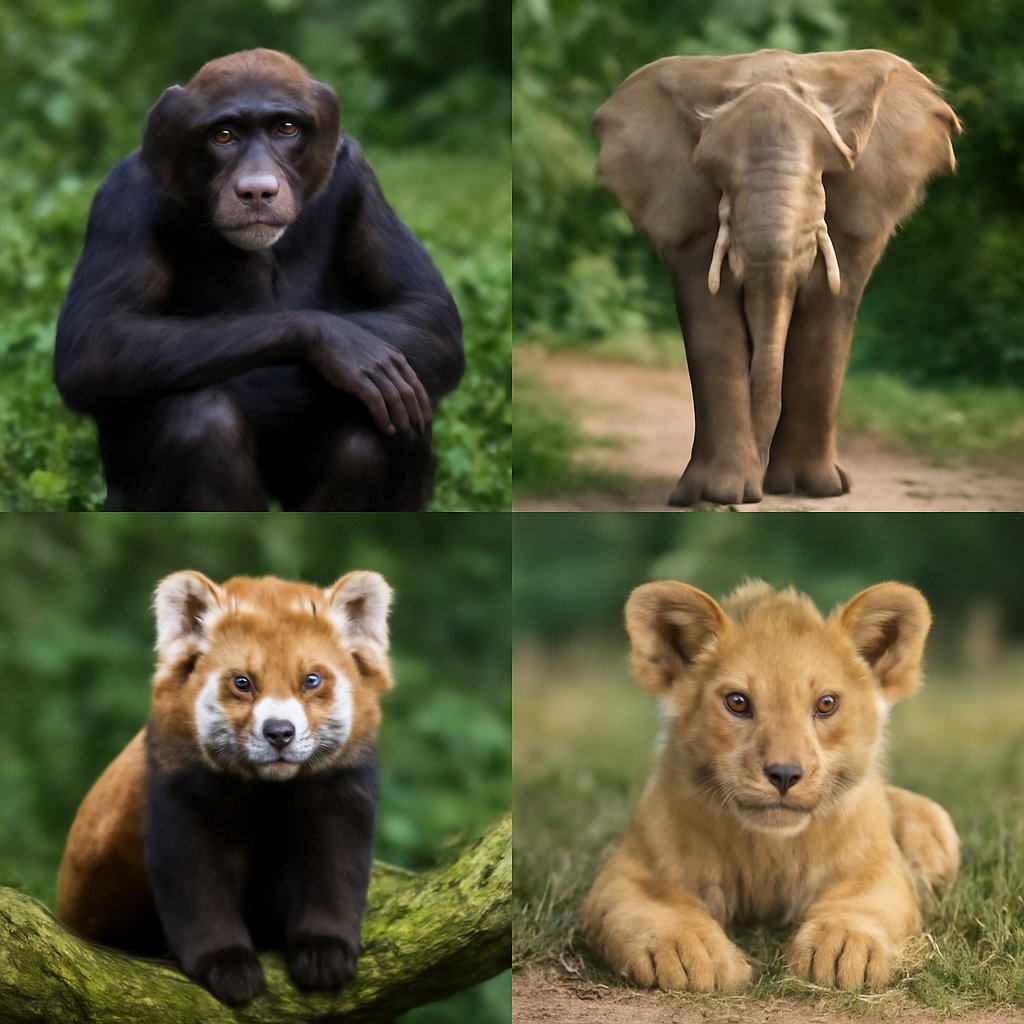
Lions, tigers, and leopards rank among the most popular zoo animals worldwide. These magnificent felines captivate audiences with their powerful presence and graceful movements. Zoo animals like tigers showcase stunning coat patterns, while lions demonstrate complex social structures in their pride systems. Modern zoo habitats for these big cats include spacious enclosures with enrichment activities to promote natural behaviors.
Gorillas, orangutans, and chimpanzees are among the most intelligent zoo animals on display. These primates demonstrate remarkable cognitive abilities and emotional intelligence. Zoo animals in the primate family often engage visitors through their social interactions and problem-solving behaviors. Many zoos have established rehabilitation centers for orphaned primates, making these zoo animals ambassadors for their species in the wild.
Elephants, giraffes, and zebras are beloved zoo animals that educate visitors about African wildlife. Elephants, in particular, are highly intelligent zoo animals known for their emotional depth and social bonds. Zoo animals like giraffes highlight the diversity of herbivore adaptations, with their extraordinary height allowing them to browse vegetation inaccessible to other species.
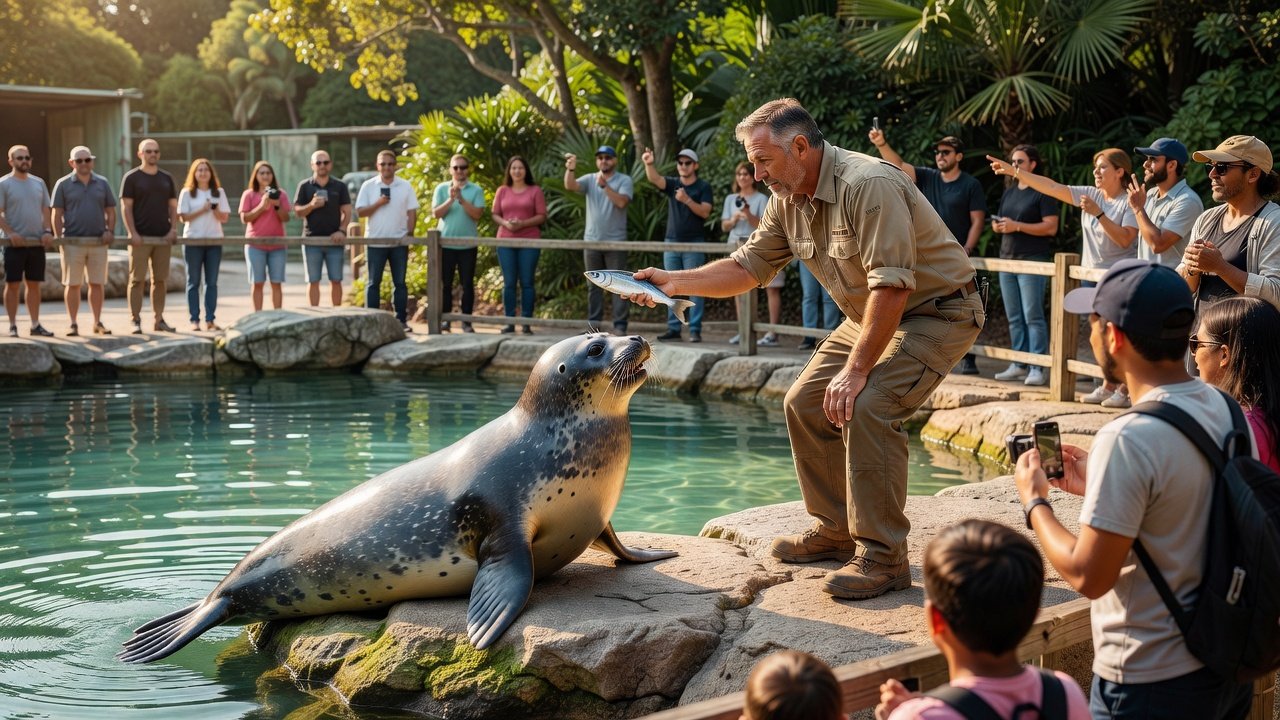
Dolphins, sea lions, and penguins represent the aquatic zoo animals that fascinate millions annually. These zoo animals demonstrate incredible agility and intelligence. Penguin exhibits showcase colonial behavior, while dolphin programs in modern zoos emphasize conservation education about marine ecosystems.
One of the most critical roles of zoo animals today is participating in global conservation efforts. Many endangered zoo animals exist in captivity due to habitat loss and poaching threats in their natural environments. These zoo animals serve as genetic reservoirs for their species. My rescue cats have taught me that second chances matter more than we realize, and the same holds true when we see coordinated efforts bringing species back from the edge.
The Arabian oryx, California condor, and black-footed ferret are remarkable examples of zoo animals that have been brought back from the brink of extinction through coordinated breeding programs. Zoo animals participating in these programs may eventually be reintroduced to protected habitats in the wild, giving their species a second chance at survival.
Zoo animals display behaviors that both mirror and differ from their wild counterparts. Skilled zookeepers and animal behaviorists study zoo animals to understand their complex needs and personalities. Many zoo animals form bonds with their caretakers and develop distinct personalities that visitors find endearing.
Enrichment is crucial for captive zoo animals. Modern facilities provide puzzle feeders, environmental enrichment, and social groupings that encourage natural behaviors. Zoo animals benefit from climbing structures, water features, and varied diets that stimulate their cognitive abilities and physical health.
Professional zoos employ teams of veterinarians, nutritionists, and behaviorists dedicated to zoo animal welfare. Daily care routines for zoo animals include feeding, habitat maintenance, health monitoring, and behavioral observation. Zoo animals receive specialized diets formulated to meet their specific nutritional requirements.
Modern zoo animals also benefit from advanced medical technologies. Routine health screenings, dental care, and surgical interventions ensure zoo animals maintain optimal health. Many progressive zoos offer naturalistic habitats for zoo animals, designed to minimize stress and encourage species-appropriate behaviors.
Zoo animals serve as powerful educational ambassadors for their species. Visitors, especially children, develop emotional connections to zoo animals that inspire lifelong conservation efforts. Educational programs featuring zoo animals teach audiences about habitat destruction, climate change, and human-wildlife coexistence.
Schools frequently organize field trips to observe zoo animals in person, providing experiential learning opportunities that textbooks cannot match. Zoo animals become living examples of biodiversity, helping visitors understand ecological relationships and the importance of protecting natural habitats.
The ethical treatment of zoo animals has become increasingly important to visitors and animal welfare advocates. Accredited zoos follow strict guidelines ensuring zoo animals receive appropriate habitat sizes, social structures, and enrichment. Organizations like the Association of Zoos and Aquariums (AZA) establish rigorous standards for the care of zoo animals.
Progressive zoos continuously improve conditions for zoo animals, moving away from small cages toward expansive, naturalistic habitats. These improvements recognize that zoo animals have complex psychological and physical needs that must be addressed for their well-being.
If you’re planning to visit zoo animals, preparation enhances your experience. Research the specific zoo animals at your destination facility beforehand. Many zoos provide maps and feeding schedules for zoo animals. Arrive early to observe zoo animals during their most active periods, typically early morning and late afternoon.
Respect barriers and signage at all times. Zoo animals may appear docile, but they remain wild creatures capable of unpredictable behavior. Photography can enhance your experience, but ensure flash photography restrictions are observed, as bright lights stress zoo animals.
The future of zoo animals is increasingly focused on conservation and research. Many modern zoos transition from purely display-focused facilities to research and conservation centers. Zoo animals participate in genetic studies, behavioral research, and breeding programs that directly support wild population recovery.
Climate change and habitat destruction continue threatening wild populations, making the role of zoo animals in species preservation more critical than ever. As wild habitats shrink, zoo animals represent hope for species survival and future reintroduction programs.
Zoo animals represent far more than attractions for weekend entertainment. These remarkable creatures play vital roles in conservation, education, and scientific research. From endangered species breeding programs to inspiring the next generation of conservationists, zoo animals make profound contributions to wildlife protection. Whether you’re fascinated by powerful predators, gentle herbivores, or aquatic species, zoo animals offer endless opportunities for learning and wonder. By visiting accredited zoos and supporting their conservation missions, you help ensure that future generations can appreciate the incredible diversity of zoo animals and wild species worldwide. Your next zoo visit might just spark a lifelong passion for animal conservation and wildlife protection—much like the quiet joy of bringing home a rescue pet who teaches you, every single day, what it means to truly belong.