
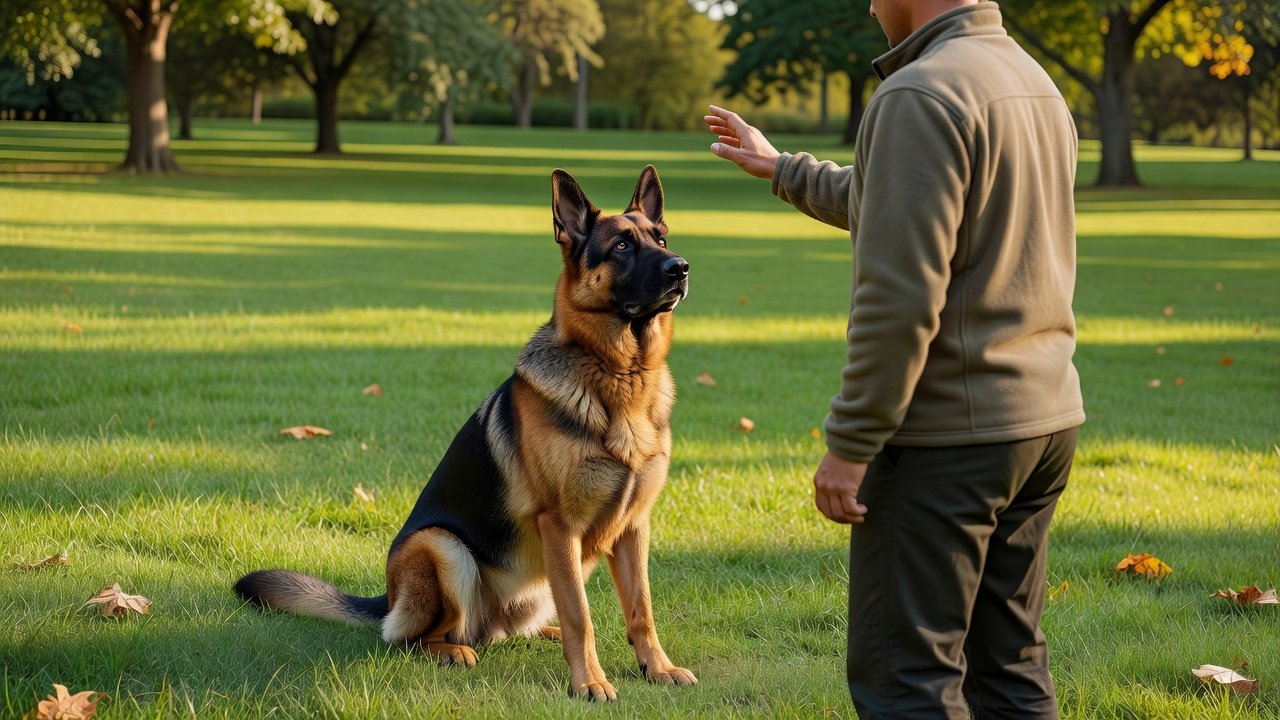
German Shepherd Training Tips for Positive Behavior
“`html

Bringing a German Shepherd into your home is one of those life-changing decisions that reminds you why rescue work matters so much. Whether your new companion came from a shelter or a breed-specific rescue, these intelligent, loyal dogs arrive with hearts ready to bond—if we meet them with patience and clear guidance. What every pet owner who’s adopted knows is that the real magic happens when you turn their natural drive into everyday trust and good manners.
German Shepherds carry a sharp mind and a strong work ethic that make them incredible partners, yet they need thoughtful handling to shine. They form deep family connections and often live to please, but without direction they can slip into protectiveness or anxiety. My rescue cats have taught me that watching an animal’s quiet signals in those first weeks at home builds the kind of trust no training manual can replace. A relaxed tail and soft ears say your pup feels safe; tucked tails or worried barking tell you it’s time to slow down and reassure.
Start training the moment your German Shepherd arrives, keeping sessions short and upbeat—five or ten minutes, a few times a day. Focus on the basics: sit, stay, come, and leave it. These simple commands lay the groundwork for a confident family member. Positive reinforcement works beautifully with this breed. A tasty treat, warm praise, or favorite toy right after the right choice helps the lesson stick. Over time you can ease off the treats while the encouragement stays strong. Everyone in the house needs to stay consistent so your dog never has to guess what you want.
Daily life offers plenty of practice. Call “come” during backyard play to build reliable recall. Ask for a sit before setting down the food bowl at mealtime. Always finish with a game so training feels like fun instead of work. When jumping, barking, or leash pulling shows up—and it often does with young Shepherds—redirect rather than punish. Teach a calm sit for attention when guests arrive, or use a front-clip harness and the “let’s go” cue paired with treats to encourage loose-leash walking. Identifying what triggers barking and offering a toy or task usually settles things faster than scolding ever could.
These dogs were bred to work, so daily exercise and mental challenge keep them balanced and happy. Sixty to ninety minutes split among walks, fetch, and play prevents boredom-driven mischief. Puzzle toys, scent games, and simple tricks like spin or shake keep their minds engaged and deepen the bond you’re building. Agility classes can be a wonderful next step for both of you.
Every adopted dog learns at their own pace, and the journey is worth every patient moment. Celebrate the small wins and stay steady on the harder days. With warmth, consistency, and the kind of love rescue animals so richly deserve, your German Shepherd will grow into a confident, well-mannered companion who feels truly at home.
Understanding the German Shepherd temperament is key to successful training. This breed is naturally protective and alert—traits that served them well as working dogs in law enforcement and military settings. However, these same instincts can develop into fear-based aggression or excessive territorial behavior if not properly channeled. Socialization during the critical window of 3 to 14 weeks is invaluable, though rescue dogs can benefit from gradual, positive exposure to new people, environments, and other animals at any age. Introducing your German Shepherd to friendly neighbors, other dogs on neutral ground, and varied settings helps them understand that the world isn’t a threat. This doesn’t mean forcing interactions—instead, allow your dog to approach at their own pace while remaining calm and rewarding curiosity with treats and praise.
The science behind positive reinforcement training shows why it’s so effective with German Shepherds. These dogs have an inherent desire to work and earn rewards, which makes them highly responsive to marker training. A marker—a word like “yes” or the click of a clicker—tells your dog exactly which behavior earned the reward. This clarity accelerates learning because the dog immediately understands what you liked. For example, if you’re teaching “sit,” the moment your dog’s rear touches the ground, mark with “yes” and deliver a treat within a second. Repeat this fifty times over several training sessions, and most German Shepherds grasp the concept. This method builds confidence, reduces frustration on both sides, and creates a dog who actively wants to learn rather than one who obeys out of fear.
Addressing common behavioral challenges requires patience and the right strategy. Jumping on people is often a sign of excitement or a bid for attention. Rather than pushing your dog away—which can feel like play to an enthusiastic young dog—teach an incompatible behavior like “sit.” When your German Shepherd sits for attention instead of jumping, that behavior becomes rewarding. Similarly, excessive barking often stems from boredom, anxiety, or insufficient exercise. Before assuming it’s a training issue, ensure your dog is getting adequate physical and mental stimulation. A tired German Shepherd is a well-behaved German Shepherd. If barking persists, identify the trigger: Is it the doorbell? Other dogs? Strange sounds? Once you know the cause, you can work on desensitization and teaching an alternative response like going to a bed or mat and staying calm.
Leash reactivity is another challenge many German Shepherd owners face, especially if their dog didn’t get early exposure to other dogs or people. The frustration of being on a leash while another dog approaches can trigger lunging or reactive barking. Management comes first—use a longer lead or avoid peak times at your local park until your dog’s confidence builds. Then, work on creating positive associations with the sight of other dogs. At a distance where your dog notices but doesn’t react intensely, reward calmly with high-value treats. Over weeks and months, gradually decrease that distance as your dog learns that other dogs approaching means good things happen. This desensitization takes time, but it’s far more effective than punishment.
Creating a training schedule and sticking to it dramatically improves outcomes. Morning sessions when your dog’s energy is fresh work well for teaching new behaviors. Evening sessions can be lighter, focusing on reinforcing what’s already learned. Keep training integrated into daily routines—ask for a sit before walks, a down before meals, a settle before getting into the car. This real-world practice matters more than formal sessions. German Shepherds are context learners, meaning a behavior they know in your living room might not transfer immediately to the park or another person’s house. Practicing in varied locations and with different people helps your dog generalize the behavior.
The role of leadership cannot be overstated with German Shepherds. This doesn’t mean being harsh or domineering—modern research shows that dogs respond better to calm, consistent guidance than to intimidation. Your dog looks to you to be the decision-maker and the source of safety. When you set clear boundaries with kind firmness, your German Shepherd relaxes knowing someone is in control. Avoid letting your emotions drive training; if you’re frustrated or angry, your dog picks up on that tension and becomes anxious or defensive. Take a break and return when you’re calm.
Finally, consider enrolling in a positive reinforcement-based obedience class with a certified trainer. Group classes provide socialization, professional guidance, and accountability. Look for trainers certified by organizations like the Certification Council for Professional Dog Trainers (CCPDT) or those who are Karen Pryor graduates—these credentials indicate education in force-free, science-based methods. Training your German Shepherd is not a destination but an ongoing relationship that deepens your bond and ensures a harmonious life together.
Sources
- American Kennel Club (AKC) – German Shepherd Dog Breed Information
- ASPCA – Dog Training Basics and Behavior Resources
- VCA Animal Hospitals – Dog Behavior and Training Guide
- PetMD – Dog Training and Behavior Articles
- Training Techniques to Curb Aggressive Dog Behavior
- Training Tips for Aggressive Behavior in Dogs
- Building Protective Loyalty in Your Rottweiler Through Positive Training
- Understanding the Behavior of Bengal Cats
- Training Tricks to Improve Recall in Off-Leash Dogs