
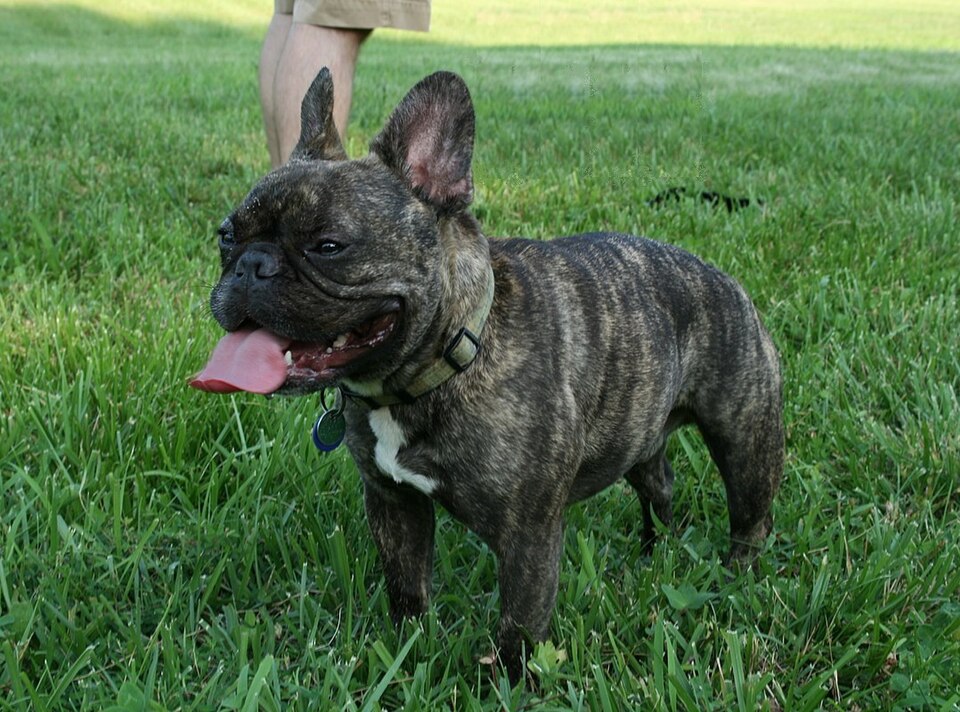
French Bulldog Health Problems: Essential Care Tips for Owners
“`html

Bringing a French Bulldog into your home means welcoming a bundle of personality, affection, and playful energy. These compact companions have won hearts worldwide with their bat-like ears and charming expressions, yet their unique build also brings specific health challenges. In my years as a vet tech, I’ve seen this situation countless times—owners fall for that adorable brachycephalic face without realizing how the shortened skull directly impacts airways, thermoregulation, and skin integrity. Understanding these issues helps you provide the attentive care your Frenchie deserves, supporting a longer, happier life together.
From a clinical standpoint, what owners miss here is that French Bulldogs are predisposed to a cluster of conditions tied to their conformation. Early awareness lets you spot warning signs before they escalate. Regular check-ups combined with daily observation form the foundation of responsible ownership for this lovable breed.
Brachycephalic Obstructive Airway Syndrome (BOAS) affects many French Bulldogs due to narrowed nostrils, elongated soft palates, and everted laryngeal saccules. These anatomical features make breathing labored, especially during exercise, heat, or excitement. Watch for excessive panting, snoring at rest, or blue-tinged gums after short walks. In training sessions over the years, I’ve often had to pause and redirect owners who push these dogs too hard physically, as the respiratory compromise shows up fast.
The severity of BOAS varies considerably among individual French Bulldogs, even within the same litter. Some dogs may show only mild snoring and manage well with conservative care, while others experience significant distress that impacts their quality of life. Signs to watch for include exercise intolerance, difficulty sleeping due to airway obstruction, collapse after exertion, or excessive drooling. If your Frenchie seems to struggle with normal activities that other dogs handle easily, mention this to your veterinarian during the next check-up. Diagnostic imaging or endoscopy may be recommended to assess the degree of airway compromise.
Heat sensitivity represents another critical concern tied to brachycephalic anatomy. French Bulldogs struggle to cool themselves efficiently because their shortened muzzles limit panting effectiveness—the primary cooling mechanism dogs rely on. Combined with their compact, muscular build that generates considerable body heat, Frenchies are at high risk for heat exhaustion and heat stroke, especially during summer months. Never leave your dog in a parked car, even for short periods with windows cracked. Avoid midday walks when pavement temperatures can cause pad burns and heat absorption. Watch for excessive drooling, lethargy, rapid breathing that doesn’t slow down, or confusion—these are signs of dangerous overheating requiring immediate veterinary attention.
The adorable wrinkles around the face, tail, and body trap moisture and debris, creating perfect conditions for bacterial or yeast infections. Allergies to food or environmental triggers often worsen redness and itching, leading to constant scratching or ear infections. I’ve swabbed countless Frenchie folds in clinic that turned out to be chronic yeast overgrowth simply from missed daily maintenance.
Yeast infections in the skin folds are remarkably common and can become chronic if not properly managed. You may notice a distinctive musty or corn chip-like odor emanating from affected areas—this is a telltale sign of yeast overgrowth. Secondary bacterial infections can develop when a dog’s constant scratching breaks the skin barrier. Some owners find that weekly rather than biweekly cleaning becomes necessary during humid seasons. Prescription antifungal treatments may be needed if over-the-counter management proves insufficient. In persistent cases, your veterinarian might recommend regular medicated baths or topical antifungal treatments as part of a long-term management plan.
Keeping your French Bulldog comfortable starts with environmental adjustments. Maintain a cool indoor temperature, especially during summer months, and avoid strenuous activity in humid weather. Short, gentle walks during cooler parts of the day help maintain fitness without overwhelming their airways. Use a harness instead of a collar to reduce pressure on the throat. Provide elevated feeding bowls to ease breathing while eating. Consider a humidifier in dry climates to soothe nasal passages. Monitor weight closely, as extra pounds intensify breathing strain. If your dog shows severe distress, surgical options such as palate trimming or nostril widening may be recommended by a veterinary specialist. Many owners report noticeable improvement in energy and quality of life after these procedures.
Establishing a gentle cleaning habit prevents most fold-related infections. Use pet-safe wipes or a damp cloth to clean between facial wrinkles once or twice weekly, then thoroughly dry the area. Pay special attention to the tail pocket, a common site for hidden moisture buildup. The tail pocket deserves particular attention since it’s easy to overlook—some owners use a small cotton ball or soft cloth to reach deep into the fold and ensure complete drying. Allergies often require a multi-pronged approach. Your veterinarian may suggest prescription diets, antihistamines, or medicated shampoos. Regular ear cleaning with vet-approved solutions reduces the risk of painful infections that frequently accompany skin issues.
Identifying food allergies in French Bulldogs can be challenging since symptoms mirror environmental allergies. Common culprits include chicken, beef, wheat, and corn, though any ingredient can trigger a reaction. An elimination diet under veterinary supervision helps pinpoint specific triggers by feeding a limited ingredient or novel protein diet for eight to twelve weeks, then gradually reintroducing ingredients while monitoring for reactions. This process requires patience but provides definitive answers and allows you to avoid unnecessary ingredients.
French Bulldogs are prone to hip dysplasia, patellar luxation, and intervertebral disc disease because of their stocky frames. Hip dysplasia occurs when the hip joint develops abnormally, leading to cartilage degeneration and arthritis over time. Patellar luxation, where the kneecap slips out of its groove, is particularly common in small breeds and ranges from occasional slipping to constant dislocation causing lameness. Intervertebral disc disease affects the spine, with the breed’s proportionally long spine and short legs creating biomechanical stress. Maintaining an ideal weight dramatically reduces stress on joints and improves mobility. Feed measured portions of high-quality, breed-appropriate food and limit treats to no more than ten percent of daily calories. Low-impact activities such as short indoor play sessions or swimming provide excellent exercise without joint strain. Many owners incorporate joint supplements containing glucosamine and chondroitin after consulting their vet, especially as their dog ages.
Recognizing early signs of joint problems allows for early intervention. Limping after activity, reluctance to climb stairs, difficulty rising from a lying position, or sensitivity when touched on the legs warrant a veterinary evaluation. X-rays can reveal structural issues, and early management with weight control, appropriate supplements, and modified activity can slow progression and improve comfort significantly.
Eye health also deserves attention in this breed. French Bulldogs are susceptible to cherry eye, where tissue behind the eyelid prolapses and becomes visible as a red mass in the corner of the eye. While sometimes resolving on its own, persistent cases require veterinary attention. Corneal ulcers can develop from irritation caused by the breed’s prominent, slightly protruding eyes. Keep the area around the eyes clean and watch for excessive tearing, squinting, or pawing at the face.
Schedule wellness visits at least twice yearly so your veterinarian can monitor breathing, skin, and weight trends. Vaccinations, parasite prevention, and dental cleanings remain essential components of long-term health. Early dental care prevents periodontal disease that can affect overall wellness. Choose a balanced diet formulated for small, brachycephalic breeds and avoid table scraps that contribute to obesity. Fresh water should always be available, and some owners add a few ice cubes during warm weather to encourage hydration while keeping the dog cool.
Consider purchasing pet insurance early in your French Bulldog’s life, ideally as a puppy before any conditions develop. Given the breed’s predisposition to expensive health issues, insurance can provide significant financial relief when surgical interventions or specialized care becomes necessary. Carefully review coverage options, as some policies exclude breed-specific conditions or have breed-specific deductibles.
With attentive daily care, regular professional guidance, and plenty of love, French Bulldogs thrive despite their health predispositions. Your commitment to understanding their unique needs creates a strong bond and many joyful years together.