

How to Identify and Treat Hot Spots on Dogs
“`html
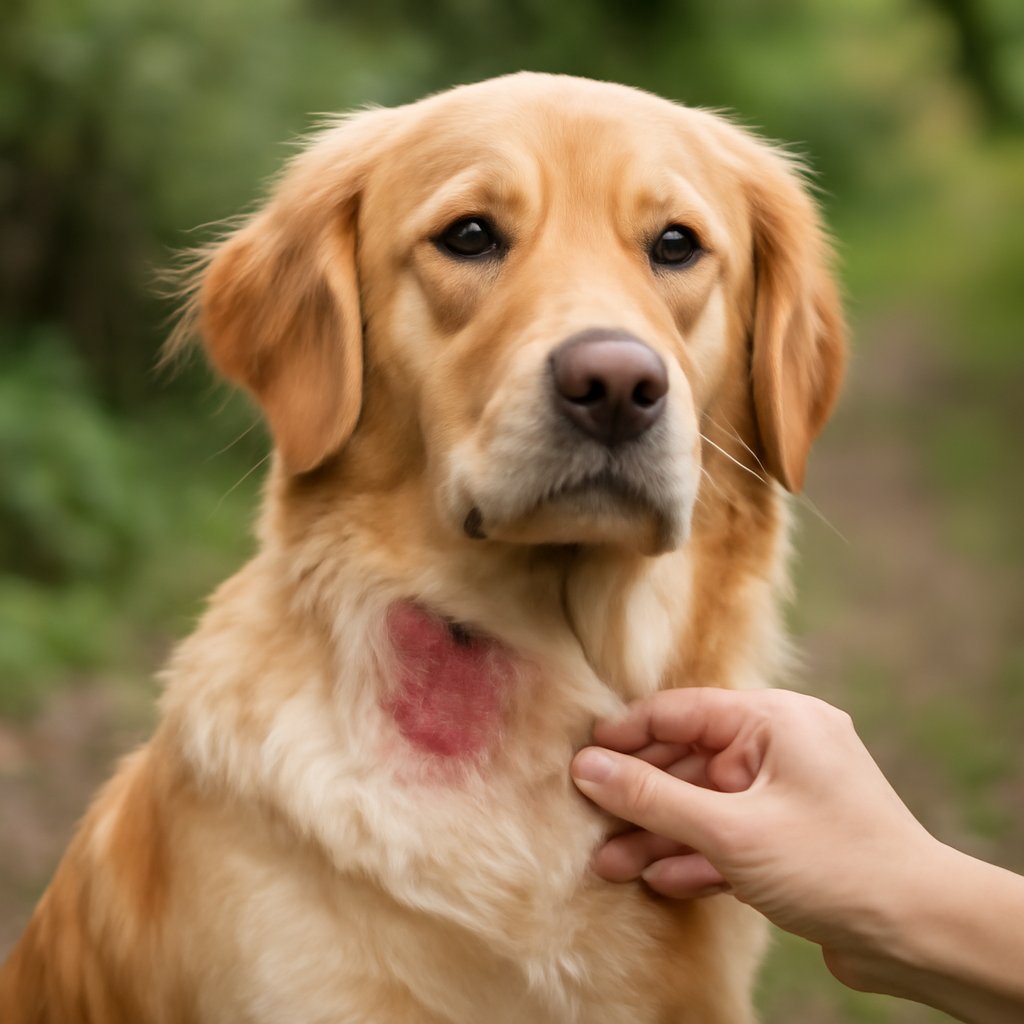
Hot spots on dogs, clinically known as acute moist dermatitis, are painful, inflamed skin lesions that can escalate quickly and demand immediate attention to avoid secondary infections. From a clinical standpoint, what owners miss here is how rapidly these self-perpetuating cycles begin, often triggered by excessive licking or scratching that allows bacteria to breach the skin barrier. In my years as a vet tech, I’ve seen this situation countless times in dogs with underlying sensitivities, where warm, humid conditions accelerate the oozing, red lesions within hours.
These lesions develop when trauma from biting or scratching lets bacteria invade, thriving in moist environments especially during summer months. The intense pruritus then drives more self-trauma, worsening the inflammation—a classic feedback loop we address in training methodology by redirecting the dog’s focus through structured positive reinforcement while the skin heals.
Certain breeds face higher risks due to dense coats or allergies. Golden retrievers, Labrador retrievers, and German shepherds top the list, along with smaller dogs like poodles when flea allergies are involved. Regular grooming to keep skin dry and visible reduces incidence across the board, something I’ve reinforced in countless client sessions by demonstrating proper brushing techniques that also build trust between owner and dog.
Early identification relies on spotting circular patches of moist, red skin with hair loss at the margins, often warm to the touch and emitting a foul odor from bacterial overgrowth. Behavioral cues include restlessness, targeted licking, or vocalizing on contact. These commonly emerge on the head, neck, tail base, hind legs, and flanks, with spikes in summer from pollen and moisture. Weekly checks under the coat during routine care catch issues before they enlarge, and differentiating from ringworm or mange comes down to the rapid onset and moist texture rather than scaling. Skin scrapings at the clinic confirm the absence of parasites efficiently.
Understanding the underlying triggers is crucial for long-term management and prevention. While acute moist dermatitis appears suddenly, the conditions leading to it often develop gradually. Allergies remain the primary culprit, accounting for the majority of cases. These can stem from environmental factors like pollen, dust mites, or mold, as well as food sensitivities to common ingredients such as chicken, beef, wheat, or corn. Some dogs develop seasonal allergies that flare during spring and fall, making them more susceptible to hot spots during these transition periods. Identifying and addressing the root allergy with your veterinarian through elimination diets or allergy testing can significantly reduce recurrence rates and improve overall quality of life for your dog.
Parasitic infestations, particularly flea allergy dermatitis, represent another major trigger. Interestingly, dogs don’t need to have a full-blown flea infestation to develop reactions; even a single flea bite can trigger intense itching in sensitive animals. This makes year-round flea prevention non-negotiable for at-risk breeds. Additionally, ear infections and skin conditions like seborrhea can predispose dogs to hot spots by creating environments where bacteria thrive and itching intensifies. Secondary yeast infections can complicate matters further, extending healing times and requiring additional treatment protocols.
For immediate home care, clipping hair around the lesion exposes it fully for cleaning with chlorhexidine solutions to clear debris. Cool compresses applied for ten minutes multiple times daily calm swelling and itch, while an Elizabethan collar halts further licking. Severe cases call for prescription antibiotics to target infection and corticosteroids to manage inflammation, plus topical hydrocortisone sprays for localized relief. Tackling root causes like food allergies or fleas through diet adjustments and preventatives is essential to break recurrence patterns, with follow-ups typically showing resolution in under two weeks when caught early.
When applying topical treatments, keeping the area clean and dry between applications is essential. Many veterinarians recommend gentle cleaning with a mild antiseptic solution before each application of medicated sprays or ointments. It’s important to note that some dogs have sensitive skin around hot spots, so avoid harsh scrubbing that could further irritate the area. If your dog has a severe hot spot, your vet may recommend oral antibiotics like cephalexin or amoxicillin to combat bacterial infection from the inside out. Systemic corticosteroids might be prescribed for particularly inflamed lesions, though these require careful monitoring due to potential side effects with long-term use.
The recovery timeline varies based on severity and treatment initiation speed. Caught within the first 24-48 hours, most hot spots respond dramatically to immediate intervention and resolve within 5-7 days. Cases that have progressed for several days may take two to three weeks, especially if secondary bacterial or yeast infections have established. Dogs with chronic underlying allergies may experience recurring hot spots despite treatment, necessitating a comprehensive allergy management strategy that addresses triggers year-round.
Prevention centers on consistent flea control, omega-3 supplementation to bolster skin barriers, hypoallergenic diets for at-risk breeds, weight management to minimize folds, and professional grooming every six weeks for ventilation and early detection. These steps align with training protocols that emphasize daily handling to desensitize dogs to inspections. Beyond these basics, maintaining proper nutrition with adequate protein and essential fatty acids supports skin health from within. Probiotics and digestive enzymes may also support immune function and reduce inflammatory responses in dogs prone to allergies.
Environmental management plays an often-overlooked role in prevention. Keeping your dog’s living spaces clean and dry, washing bedding weekly in hypoallergenic detergent, and maintaining appropriate humidity levels in your home can reduce allergen exposure. After outdoor activities, wiping down your dog’s coat and paws removes pollen, dust, and moisture that could trigger itching. Swimming and bathing should be followed by thorough drying, particularly in skin folds and between toes where moisture accumulates.
Hot spots account for up to 10 percent of dermatology visits annually. Breeds with thick undercoats see lesions twice as often in summer. Early intervention shortens healing from 14 days to under seven. Over 60 percent stem from allergies rather than trauma alone. Proper flea prevention cuts rates by 75 percent per clinical data, though recurrent cases affect 30 percent of golden retrievers without dietary changes.
For dogs with a history of recurrent hot spots, working closely with your veterinarian to develop a customized prevention protocol is invaluable. This might include allergy testing, specialized diets, targeted supplementation, and more frequent grooming schedules. Some owners find that maintaining a symptom diary helps identify patterns related to seasonal changes, dietary adjustments, or environmental factors. This information proves invaluable during veterinary consultations and helps refine prevention strategies over time.
It’s worth noting that stress and anxiety can exacerbate hot spot development in some dogs. Dogs with separation anxiety or those in stressful environments may exhibit increased licking and chewing behaviors that create entry points for infection. Addressing behavioral issues through training, enrichment activities, or anxiety medication can indirectly support skin health and reduce hot spot incidence.
Vigilant monitoring paired with swift cleaning and professional input restores comfort quickly while curbing future episodes. At the first sign of irritation, a veterinary consult provides tailored guidance for your dog’s specific profile.
Sources
- American Kennel Club (AKC) – Hot Spots on Dogs expert advice and prevention tips
- ASPCA – Hot Spots information and treatment recommendations
- VCA Animal Hospitals – Hot Spots (Acute Moist Dermatitis) in Dogs clinical guide
- PetMD – How to Identify and Treat Hot
Related Posts
- 24 Hour Stomach Bug in Dogs: What Every Pet Owner Should Know
- Best Practices for Feeding Raw Diets Dogs
- Essential Health Screenings for Breeding Dogs
- Training Tricks to Improve Recall in Off-Leash Dogs
- What Makes Border Collies Excellent Herding Dogs