
Training Your Dog to Walk Calmly Leash
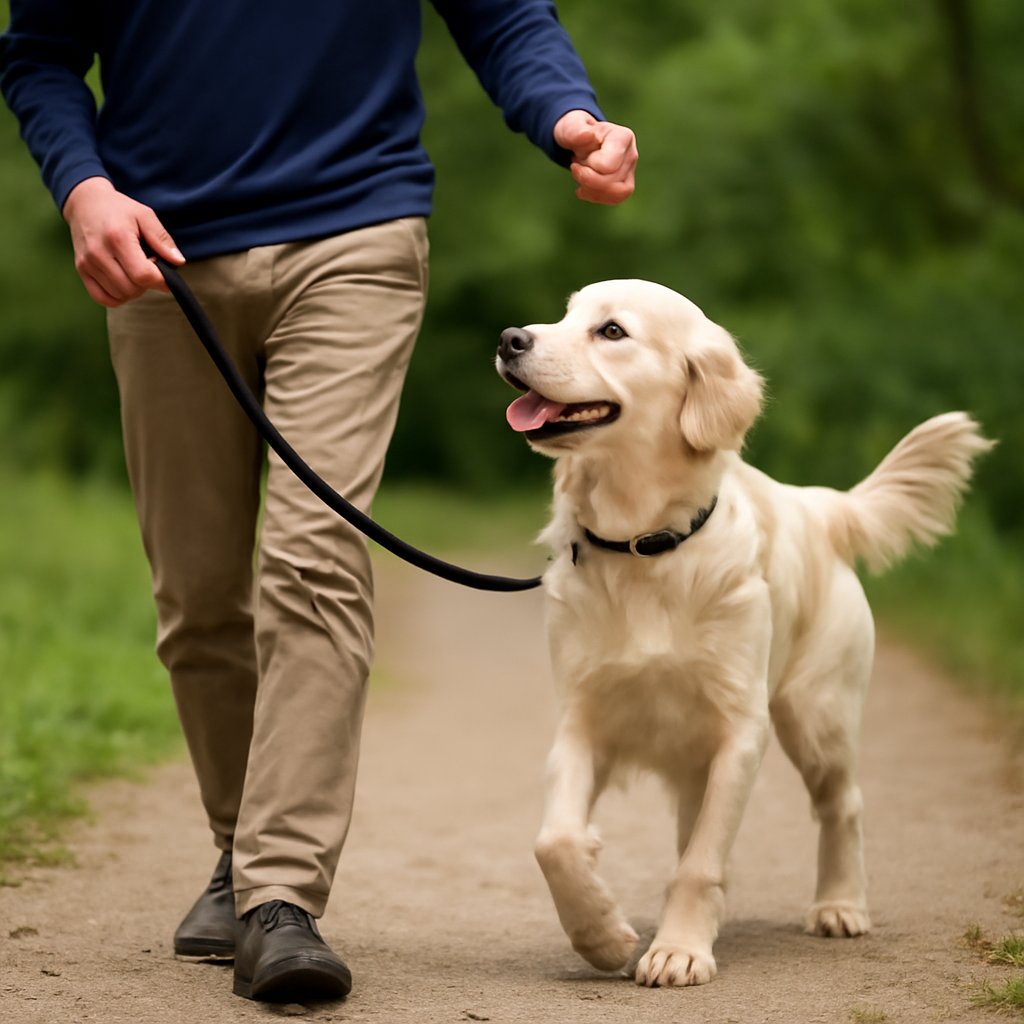
Training your dog to walk calmly on leash can turn those chaotic sidewalk struggles into something far more manageable and even enjoyable for everyone involved. From a clinical standpoint, what owners miss here is how consistently applied positive reinforcement not only curbs pulling but also supports lower stress responses and better musculoskeletal health over time. In my years as a vet tech, I’ve seen this situation countless times with dogs of all backgrounds, where early intervention prevents the kind of joint strain and behavioral escalation that lands them in the exam room.
The value of solid leash skills shows up clearly in everyday wellness. Steady movement avoids the abrupt tugs that stress ligaments and tendons, while calmer outings correlate with reduced cortisol and steadier cardiovascular conditioning. For high-drive breeds such as Labrador Retrievers or German Shepherds, this approach helps limit the obesity and orthopedic issues that frequently accompany unmanaged energy levels.
Pulling typically traces back to excitement or fear circuits in the brain. Targeted redirection through structured methods cuts down on escape risks and handler injuries. Mixed-breed dogs with variable temperaments especially benefit, as the process builds predictability that keeps neighborhood encounters safer.
Before any sessions begin, equipment choice matters for both safety and effectiveness. A properly fitted harness spreads force across the chest rather than concentrating it on the trachea or cervical spine. Pair it with a four-to-six-foot nylon or leather leash that gives control without limiting natural gait. In my years as a vet tech, I’ve seen this situation countless times where ill-fitting collars created tracheal damage that could have been avoided.
Small breeds like Chihuahuas do better with lightweight step-in styles to protect delicate airways, whereas larger, powerful dogs such as Huskies often need front-clip designs that gently turn them away from forward momentum. Choke and prong devices are best left aside because they link to chronic neck strain and fear-based responses that complicate long-term behavior modification.
Understanding your dog’s individual pulling triggers is an important first step before training begins. Some dogs pull out of pure excitement and anticipation, racing toward anything novel in their environment. Others pull in response to anxiety or insecurity, especially rescue dogs who may have spent time on streets without structure. Still others exhibit prey drive, lunging toward squirrels, birds, or other moving targets. Identifying which category your dog falls into allows you to customize your training approach for faster, more sustainable results. A dog pulling from fear requires different emotional work than one pulling from high spirits, and recognizing this distinction prevents frustration on both ends of the leash.
Treat pouches and clickers reinforce the positive methods at the core of reliable progress. High-value items such as small chicken pieces maintain engagement during initial work, particularly with persistent scent hounds like Beagles. Varying rewards keeps motivation high across multiple training sessions. Some dogs respond better to praise and play, while others are purely food-motivated. Experimenting with different reinforcement types—including toys, verbal encouragement, or brief play sessions—helps you discover what truly excites your individual dog and sustains focus during walks.
Begin in a low-distraction indoor space such as the living room. Clip the leash to the harness and practice brief circuits around furniture, marking and rewarding any loose-leash moments with praise and food. This step establishes that proximity to the handler produces good outcomes and prepares the dog for later outdoor demands. During these initial sessions, move slowly and deliberately, allowing your dog to succeed. The goal isn’t to cover distance but to build foundational understanding that a slack leash and calm demeanor open up positive outcomes.
Once indoor consistency appears, shift to a quiet yard or empty street. Apply the stop-and-wait method: pause the moment leash tension forms, then resume only after slack returns. Repetition helps dogs across ages connect calm pacing with forward movement, which proves especially useful for energetic puppies or rescues carrying prior negative associations. This technique may feel slow at first—your walks might cover minimal ground as you stop repeatedly—but the consistency pays dividends. Dogs learn that pulling doesn’t achieve anything (no forward progress) while calm walking immediately results in continued exploration.
Timing is everything in leash training. Reward the moment your dog checks in with you or maintains slack, rather than waiting several seconds. Dogs live in the moment, and a delay of even a few seconds can make the connection between behavior and reward unclear. A clicker device proves invaluable here because it provides an instantaneous marker sound that pinpoints the exact behavior you’re rewarding, bridging the gap between the action and the treat that follows.
Reactivity toward squirrels or other triggers responds well to counter-conditioning. Present the stimulus at a distance that keeps the dog under threshold, then pair it immediately with high-value rewards. Gradually close the gap over successive weeks while preserving composure. Short daily sessions of ten to fifteen minutes prevent overload and support steady gains without burnout. This graduated approach works because it respects your dog’s emotional capacity while slowly expanding their ability to remain calm around exciting stimuli.
Environmental management plays a crucial supporting role throughout training. During the early weeks, deliberately choose routes and times that minimize exposure to high-value distractions. Walking your young Lab during early morning hours when the park is empty sets him up for success far better than a late afternoon visit when squirrels are active and other dogs are present. As your dog improves, gradually introduce more challenging environments, always monitoring for signs that the difficulty level has exceeded his current capability.
Key data points underscore why these steps matter. Over 65 percent of dog owners list leash pulling as their primary training concern. Dogs on consistent positive reinforcement protocols show a 78 percent improvement in walking manners within four weeks. Improper collar use accounts for 25 percent of neck injuries seen in clinics among active breeds. Regular calm leash walking can lower obesity rates by up to 40 percent through controlled exercise. Border Collies typically need about 20 percent more sessions due to strong prey drive. Positive methods reduce stress hormones by roughly 30 percent compared with aversive tools. Training started at eight weeks yields an 85 percent success rate for adult calm walking. Harnesses cut pulling force by 50 to 70 percent versus traditional collars.
Consistency across all handlers in your household significantly impacts success. If Mom rewards calm walking but Dad allows pulling, your dog receives mixed signals that slow progress considerably. Hold family meetings to establish shared rules: everyone uses the same command words, everyone stops walking when tension appears, everyone carries the same reward treats. This unified approach communicates clear expectations and accelerates learning.
Patience during plateaus is essential, as progress isn’t always linear. Some dogs show rapid improvement in week one, then seem to stall in weeks two and three. This is normal—your dog is consolidating learning and needs time to make the new behavior automatic rather than conscious. Continuing consistent training through these flat spots prevents regression and eventually leads to breakthrough moments where calm walking clicks into place.
Mastering calm leash walking ultimately rests on patience and the right tools, yet it yields measurable gains in safety, physical condition, and daily quality of life. Tailoring the process to each dog’s breed and temperament lays the groundwork for years of smoother outings while addressing common behavioral hurdles before they escalate.