

How to Introduce Cats to Newborn Babies Safely
“`html
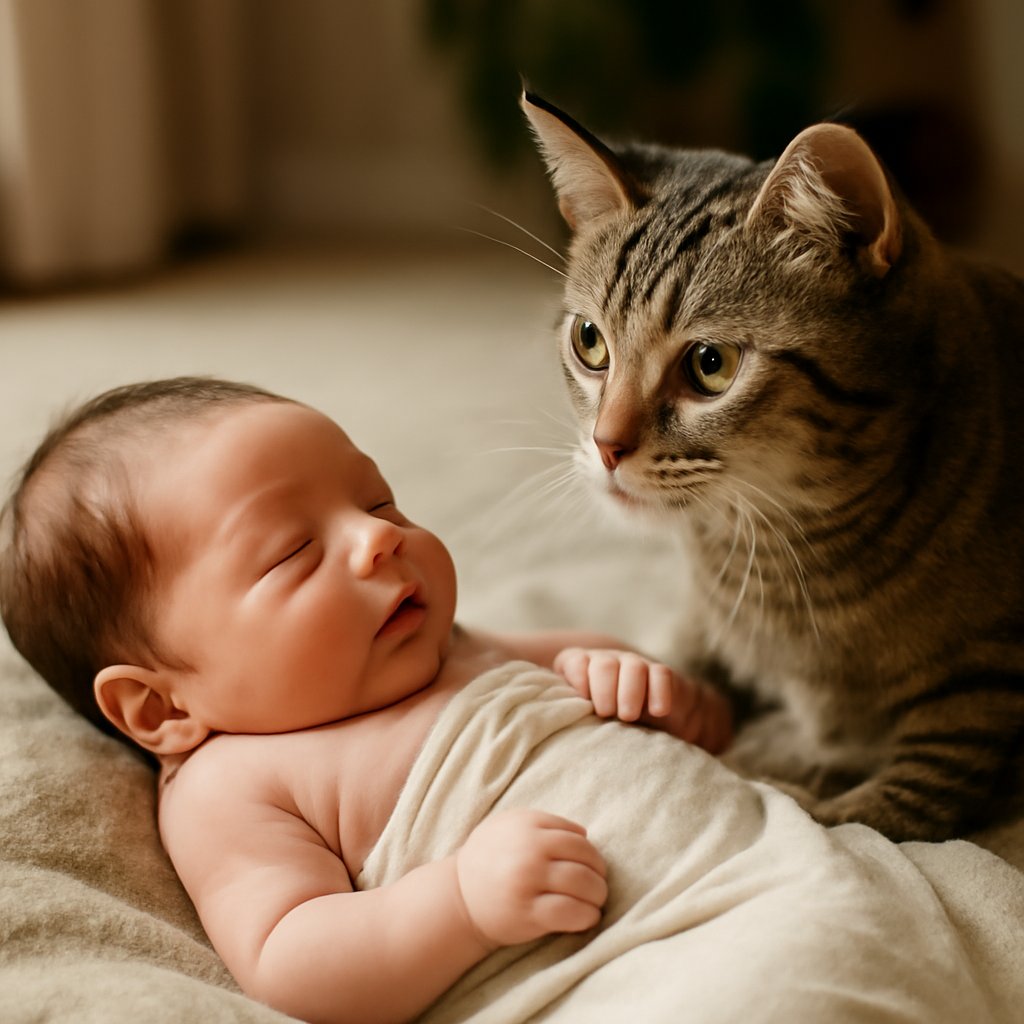
Bringing a newborn home when there’s already a cat in the household calls for methodical preparation grounded in both behavioral science and hands-on management. In my years as a vet tech, I’ve seen this situation countless times, and the families who succeed are the ones who treat the transition like any other desensitization protocol rather than hoping for the best.
From a clinical standpoint, what owners miss here is the importance of evaluating the cat’s baseline temperament well before the due date. Calm, confident cats generally adapt faster, whereas those with anxiety histories often need earlier intervention. A pre-arrival veterinary exam lets us confirm vaccination status and flag any medical issues that could amplify stress responses once the household changes.
Training and desensitization work best when started months ahead. Playing recorded infant cries at low volume, then pairing them with high-value treats, mirrors the counter-conditioning techniques we use for noise phobias in dogs. Introducing baby gear—cribs, lotions, blankets—in small increments allows the cat to habituate to new scents without triggering avoidance. Positive reinforcement remains the most reliable method; punishment only creates negative associations that surface later.
It’s equally important to understand that cats experience the arrival of a newborn as a significant environmental disruption. The sudden introduction of unfamiliar sounds, scents, and visual stimuli can trigger stress responses ranging from mild anxiety to behavioral problems like inappropriate elimination or aggression. By beginning your preparation phase at least three to four months before the baby arrives, you give your cat’s nervous system time to gradually acclimate to these changes rather than experiencing them all at once.
Consider creating a “scent library” by collecting various baby products well in advance—different brands of diapers, wipes, lotions, and shampoos. Allow your cat to investigate these items at their own pace, rewarding calm behavior with treats and affection. This approach leverages feline olfactory sensitivity, which is approximately 14 times stronger than humans. Your cat will begin associating baby scents with positive outcomes, creating a foundation of comfort before the actual infant arrives.
Adjusting daily schedules to match post-baby reality prevents the sudden loss of attention that commonly leads to attention-seeking behaviors. Providing vertical escape routes such as cat trees or wall shelves gives the animal a sense of control, which directly reduces cortisol elevation during the adjustment period. From a clinical standpoint, what owners miss here is that cats denied retreat options show measurably higher stress markers.
Designating cat-only zones away from the nursery maintains a predictable environment. Baby gates and door stops allow controlled exposure while protecting both the infant and the cat’s routines. Keeping litter boxes, food, and water stations in quiet areas avoids competition with infant activity. Removing dangling cords and toxic plants near baby equipment eliminates common household hazards we see in emergency visits.
Regular grooming combined with HEPA filtration measurably lowers airborne dander, and hand-washing protocols after cat contact reduce allergen transfer to the newborn. These steps align with standard hygiene recommendations we reinforce in pediatric wellness visits. Additionally, maintaining your cat’s grooming schedule during pregnancy and after birth helps minimize shedding and reduces the overall allergen load in shared spaces. Discuss hypoallergenic options with your veterinarian if either parent has cat allergies, as pregnancy can sometimes amplify allergic responses.
One often-overlooked aspect is the importance of addressing any existing behavioral issues before the baby arrives. Cats with litter box aversion, destructive scratching behaviors, or aggression problems require intervention now—not after your household dynamics have fundamentally changed. A veterinary behaviorist can help identify underlying causes and implement solutions while your attention is still available to focus on your cat’s needs.
The initial introduction should happen when both the baby is settled and the cat is relaxed. Allowing the cat to investigate a scented blanket first follows scent-acclimation principles used in multi-pet households. Short, supervised sessions prevent flooding and let the cat observe from a safe distance. Monitoring for flattened ears, rapid tail movement, or piloerection provides early warning of rising stress; separating calmly and retrying later prevents escalation.
When you first bring the baby home, resist the urge to immediately present them to your cat. Instead, spend several days allowing your cat to adjust to the new household routines, additional equipment, and altered schedule. This creates a buffer period that prevents sensory overload. When you do facilitate the first meeting, keep it brief—ideally just five to ten minutes. Your cat should always have an exit route and should never feel trapped or cornered by either the baby or family members eager to see the interaction.
As weeks progress, gradually increase the duration and frequency of supervised interactions. Pay close attention to your cat’s body language. A cat that actively approaches the baby, shows relaxed posture, and engages in normal behaviors like grooming or napping nearby is adjusting well. Conversely, a cat that hides, avoids the baby’s room, or shows sudden changes in eating or litter box habits may be experiencing ongoing stress that warrants veterinary consultation.
Physical safety is paramount. Ensure your cat cannot access the baby’s face or neck during sleep, as even playful paw movements could cause unintended injury. Never leave your cat and infant unsupervised in the same room, regardless of how well they seem to be getting along. As the child grows and becomes more mobile, supervise interactions even more carefully, as toddlers lack the understanding of appropriate pet handling and may inadvertently provoke defensive responses.
Long-term success depends on continued enrichment and supervised interactions as the child grows. Teaching children appropriate handling reduces risk of defensive scratching, and maintaining the cat’s daily play and feeding routines prevents displacement behaviors. Veterinary behavior data consistently shows that households maintaining these protocols experience fewer incidents.
Investing in environmental enrichment becomes even more important once the baby arrives, as your cat’s access to your attention will inevitably decrease. Interactive toys, puzzle feeders, window perches for bird watching, and rotating toys every few weeks keeps your cat mentally stimulated and reduces the likelihood of attention-seeking behaviors that might be directed toward the baby. Some cats benefit from calming supplements or pheromone diffusers during the transition period—discuss these options with your veterinarian.
Over 60% of households with cats report successful integration with newborns when preparation begins at least three months prior. Studies indicate that gradual scent introduction reduces feline stress hormones by up to 40% during baby arrivals. Proper training lowers the risk of scratching incidents by 75% according to veterinary behavior data. Cats allowed vertical escape routes show 50% fewer avoidance behaviors around infants. Regular veterinary involvement correlates with higher success rates in multi-pet families welcoming babies.
Mastering how to introduce cats to newborn babies safely ultimately comes down to respecting the cat’s need for predictability while methodically expanding its tolerance. Structured preparation from pre-arrival training through ongoing supervision creates an environment where both the feline and the infant can thrive. Remember that every cat is unique, and patience during this transition benefits everyone in your household. With proper planning and attention to your cat’s behavioral signals, you can create a safe, harmonious home where your new baby and beloved pet coexist peacefully for years to come.
Sources
- ASPCA – Cat Care Guide – General cat care and behavior information
- AKC – Cat and Dog Introductions – Expert advice on pet introductions
- VCA Animal Hospitals – Introducing a New Baby to Your Cat – Professional veterinary guidance
- PetMD – How to Introduce Cats to Newborn Babies Safely – Safety tips and best practices