

Preventing Obesity in Dogs Through Portion Control
Preventing obesity through portion control stands out as one of the most reliable ways owners can protect dogs from the cascade of weight-related conditions that shorten lives and reduce quality of life. In my years as a vet tech, I’ve seen this situation countless times: a Labrador or Beagle arrives with early joint stiffness and elevated blood glucose simply because daily intake exceeded energy expenditure by a modest but consistent margin. Excess weight accelerates cartilage breakdown, strains the cardiovascular system, and sets the stage for diabetes, which is why precise feeding matters across every life stage and breed size.
From a clinical standpoint, what owners miss here is how quickly fat deposition around organs and joints compounds mobility loss. Breeds such as Labrador Retrievers, Beagles, and Bulldogs carry genetic predispositions that lower metabolic rate and blunt satiety signals; a documented mutation in Labs, for example, disrupts normal hunger hormones and makes strict measurement non-negotiable. When calories in exceed calories burned, the resulting visceral fat accelerates osteoarthritis risk—roughly 2.5 times higher than in dogs at ideal condition—while also compromising heart function.
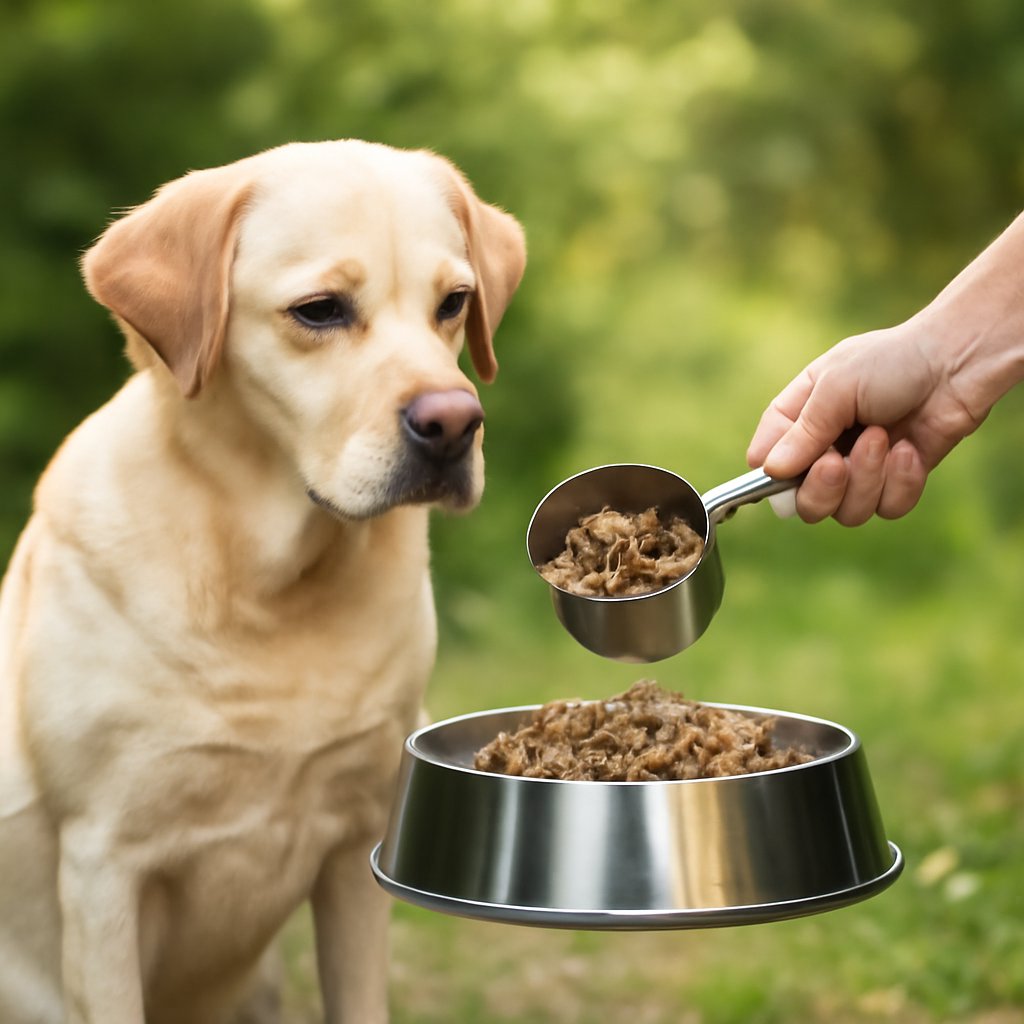
Portion control begins with calculating daily caloric needs according to age, activity level, breed size, and neuter status. Active Border Collies obviously require more than sedentary Chihuahuas, yet the same principle applies: use a standardized measuring cup rather than eyeballing kibble, because visual estimates routinely run 20–30 percent high. In training sessions I frequently demonstrate this to clients; switching to a level scoop and weighing the dog monthly catches gradual gains before body-condition scoring shows ribs buried under a fat layer.
The first step in any effective portion-control plan involves consulting your veterinarian to establish a baseline. During a wellness exam, your vet can determine your dog’s current body condition score (BCS) on a 1–9 scale, where 4–5 represents ideal weight and anything above 6 indicates overweight status. Your vet will also factor in any underlying health conditions, medications that may affect appetite or metabolism, and breed-specific predispositions. Armed with this information, you can calculate precise daily caloric targets. Most commercial dog foods list calorie content per cup on the bag—typically ranging from 300 to 500 calories depending on formula—making the math straightforward once you know your dog’s target intake.
A practical strategy many owners overlook involves understanding the difference between maintenance calories and weight-loss calories. Maintenance represents what your dog needs to stay at current weight; if your goal is weight reduction, you’ll typically aim for 80–90 percent of that maintenance number rather than drastic cuts that leave dogs hungry and irritable. Gradual reduction—dropping 5–10 percent of daily calories every few weeks—allows metabolic adjustment and prevents the muscle loss that can occur with extreme calorie restriction. This measured approach also maintains stable energy levels for exercise and play, which are essential components of any weight-management program.
Dividing the measured daily amount into two or three meals stabilizes blood glucose and curbs begging, a behavioral issue I address through counter-conditioning protocols rather than extra food. Puzzle feeders or slow bowls turn mealtime into cognitive work that aligns with positive-reinforcement training goals. Treats must stay under 10 percent of total calories—baby carrots or green beans work well—and any human food offered counts against the same allotment. In multi-dog homes, separate feeding stations prevent resource guarding and accidental overconsumption by the dominant animal, a scenario that surfaces often during in-home consultations.
The hidden calories in treats and table scraps represent one of the largest contributors to unintended weight gain that owners simply don’t track. A single slice of cheese, which many people offer casually as a reward, can represent 5–10 percent of a small dog’s daily caloric allowance. Peanut butter, while nutritious and useful for training, contains roughly 90 calories per tablespoon—easy to overestimate when spreading it into a Kong or lick mat. Creating a “treat budget” and measuring treats using the same precision applied to kibble prevents this creep. Some owners find success by setting aside a portion of their dog’s daily kibble allowance to use as training treats, ensuring zero net increase in calories while still providing positive reinforcement during training sessions.
Understanding food labels and ingredient quality also influences portion requirements. Higher-quality, protein-rich diets with appropriate fiber content promote satiety and stable energy, meaning dogs often feel fuller on smaller portions. Lower-quality foods with high carbohydrate content and fillers require larger portions to deliver equivalent nutrition, creating a paradox where budget-conscious choices actually demand more food and, ironically, increase long-term feeding costs. When switching to a higher-quality diet, many owners discover they can reduce portion sizes by 10–15 percent while their dog appears satisfied, which translates to both weight management and cost savings over time.
Water intake plays an underestimated role in weight management. Adequate hydration supports metabolic function, kidney health, and can provide a sense of fullness that reduces excessive hunger-driven behavior. Offering water-rich treats like watermelon or low-sodium broth can give dogs the sensory experience of eating something substantial without significant caloric cost. Some owners add a small amount of low-sodium broth to kibble, which increases volume and hydration without adding calories in meaningful amounts.
Exercise complements these feeding adjustments. Thirty to sixty minutes of breed-appropriate activity—shorter, controlled walks for brachycephalic dogs, longer hikes for herding breeds—raises daily expenditure without stressing joints already under load. For overweight dogs, low-impact exercise like swimming or walking in shallow water provides cardiovascular benefit and muscle engagement while minimizing strain on joints bearing excess weight. These modalities become particularly valuable during the weight-loss phase when exercise tolerance may be reduced.
Senior dogs need 20–30 percent fewer calories than adults, so portions must be reassessed as metabolism slows. This transition often occurs around age seven or eight in large breeds and age ten or older in small breeds, though individual variation exists. Simultaneously, senior dogs may benefit from slightly increased protein to preserve lean muscle mass even as total calories decrease—a balance worth discussing with your vet. Joint-supportive supplements like glucosamine or omega-3 fatty acids become more relevant during this life stage and may improve mobility in overweight seniors during the weight-loss process.
When these steps are followed consistently, surveys show portion control paired with exercise can produce a 15–20 percent body-weight reduction within six months, extending average lifespan by up to two years in medium and large breeds. Approximately 59 percent of U.S. dogs are currently classified as overweight or obese, underscoring how small, repeatable changes in measurement and monitoring translate into measurable clinical gains. The commitment required is minimal compared to the health dividends: a level measuring scoop, monthly weigh-ins, and disciplined treat accounting represent straightforward practices that prevent costly veterinary interventions down the road, including joint surgeries, diabetes management, and cardiovascular treatments that strain both pet and owner finances.