

Recognizing Early Signs of Kidney Disease in Cats
“`html
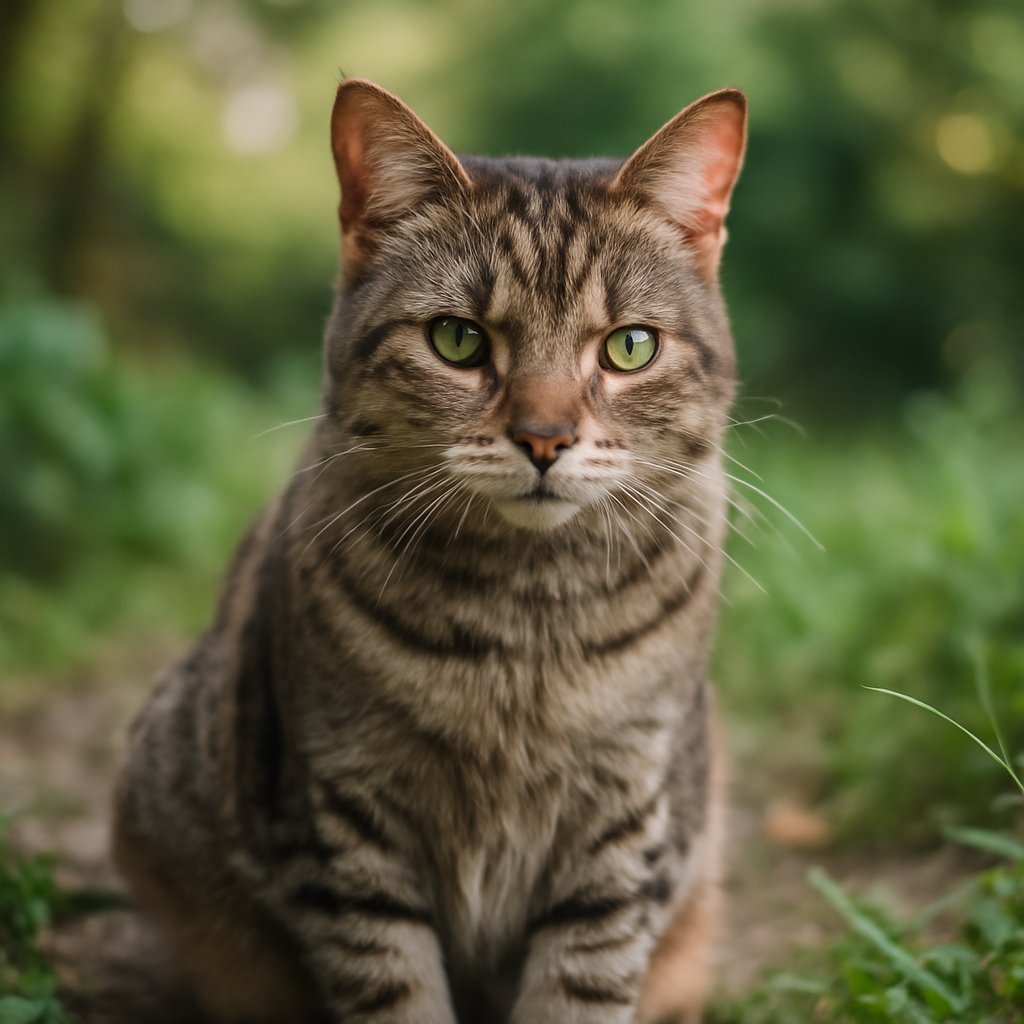
As someone who’s shared my home with three rescue cats over the years, I’ve learned that paying close attention to the little changes in their routines can mean everything. What every pet owner who’s adopted knows is that our feline friends often come to us with unknown histories, making it all the more important to catch health issues early—like the subtle early signs of kidney disease in cats. Chronic kidney disease, or CKD, is one of the most common concerns in older cats, yet the first hints can slip by until the condition has advanced. Staying observant lets us partner with our vets to ease symptoms and keep our companions comfortable for as long as possible.
My rescue cats have taught me that kidney disease develops when those vital organs slowly lose their ability to filter waste, balance fluids, and regulate blood pressure. Toxins build up over time, and while chronic cases unfold gradually in senior cats, acute issues can hit suddenly from infections or toxins. Early awareness opens the door to helpful steps like special diets and fluid support that slow things down and improve daily life. Cats are masters at hiding discomfort, something rescue culture reminds us of daily—many adopted cats arrive as seniors or with limited background, so routine check-ins become part of the bond we build.
Changes in drinking and litter box habits often appear first. You might see your cat at the water bowl more frequently or notice larger urine clumps, sometimes with accidents outside the box. Weight loss even with a steady appetite can follow, along with a coat that loses its shine because grooming falls by the wayside. Occasional vomiting, extra sleeping, or an ammonia-like breath odor may show up too. These clues can overlap with other conditions, so what every pet owner who’s adopted knows is that professional guidance is essential rather than guessing on your own.
Understanding the progression of kidney disease helps frame why early detection matters so much. The kidneys function through millions of tiny filtering units called nephrons, and once these are damaged, they don’t regenerate. This means that by the time clinical signs become obvious to us, roughly 75 percent of kidney function may already be compromised. The disease typically advances through stages: early disease shows minimal symptoms, moderate disease brings more noticeable changes, and advanced stages can become life-threatening without intervention. Catching things in that early window—before significant damage accumulates—gives us the most power to slow progression and maintain your cat’s quality of life.
Dehydration plays a particularly insidious role in feline kidney disease. Unlike dogs, cats have a relatively low thirst drive—they evolved in desert environments where they obtained most moisture from prey. This means indoor cats on dry kibble often exist in a state of mild chronic dehydration, which accelerates kidney damage. Switching to wet food, adding water or low-sodium broth to meals, or investing in a cat water fountain can dramatically improve hydration levels. Some cats respond better to running water, so offering options—a fountain in one room and a still bowl in another—gives them choices and encourages drinking.
Veterinarians confirm kidney concerns through bloodwork, urine tests, and imaging. Management often includes moisture-rich renal diets, at-home fluids, and regular monitoring every few months. Prevention comes down to simple habits: multiple water sources, fountains, or added broths keep cats hydrated, and wellness blood panels starting around age seven catch many cases early. Steering clear of household toxins like lilies or certain human meds protects those kidneys further.
The role of blood pressure in kidney disease deserves special attention. High blood pressure, or hypertension, both contributes to kidney damage and results from it—creating a cycle that accelerates decline. What many cat owners don’t realize is that routine blood pressure checks during wellness visits can catch this problem before major kidney damage occurs. If your cat is diagnosed with kidney disease, ask your vet about blood pressure monitoring, as medications to manage hypertension can significantly slow disease progression and protect other organs like the eyes and heart.
Chronic kidney disease affects roughly 30 to 50 percent of cats over ten, and spotting the early signs of kidney disease in cats can add two to three quality years with the right care. Dehydration speeds damage, which is why wet food helps so much. Certain breeds like Maine Coons and Persians carry a bit higher hereditary risk, while annual screenings after age seven identify over 70 percent of cases before owners notice anything. High blood pressure shows up in up to 65 percent of affected cats, so those checks matter during exams.
For cats already diagnosed with kidney disease, at-home fluid therapy has become a game-changer. Subcutaneous fluids administered two to three times weekly help flush the system and compensate for the kidneys’ reduced ability to concentrate urine. While the idea of giving fluids at home might seem daunting, most cat owners adapt quickly, and many cats tolerate the process well once they adjust. Your vet can demonstrate the technique, and the benefit to your cat’s energy levels and appetite often becomes apparent within weeks.
Dietary management goes beyond simply switching to a renal-formulated food. These prescription diets are specifically balanced to reduce the workload on failing kidneys while maintaining adequate nutrition. They typically contain lower protein levels (though still sufficient), controlled phosphorus, and reduced sodium. Some cats resist diet changes, which is where patience and creativity come in—warming food to release aromas, mixing in broths, or gradually transitioning over several weeks can help. If your cat absolutely refuses prescription food, discuss alternatives with your vet rather than abandoning dietary support entirely.
Monitoring at home between veterinary visits gives you valuable information and early warning signs. Keep a simple log of water intake, litter box frequency, appetite, and general behavior. Changes in these patterns often signal progression before lab values shift dramatically. Some owners find it helpful to weigh their cat weekly, as unexplained weight loss can indicate advancing disease. This level of attentiveness might sound obsessive, but for cats with kidney disease, these small observations truly can make a difference in catch complications early.
Recognizing these shifts lets us give our adopted companions the steady support they deserve. Through attentive care, good nutrition, and those regular vet visits, many cats keep enjoying their favorite sunny spots and gentle play sessions long after diagnosis. The emotional bond we form with rescue animals makes every small observation feel worthwhile—it’s how we honor the trust they’ve placed in us.
Sources
“`