
Understanding Common Symptoms of Feline Diabetes Early
“`html
Catching the signs of feline diabetes early can truly shift the trajectory for a cat’s comfort and lifespan, especially since this condition—where the body struggles to regulate blood sugar—hits more cats annually, particularly those carrying extra weight or in middle age. From a clinical standpoint, what owners miss here is how quickly things can escalate to ketoacidosis or nerve damage if we don’t intervene promptly. In my years as a vet tech, I’ve seen this situation countless times with cats whose families chalked up increased thirst or litter box changes to normal aging, only to face more complicated care later.
Feline diabetes mellitus usually shows up as type 2 in cats, driven by insulin resistance tied to obesity. Certain breeds like Burmese, Siamese, and Maine Coons carry higher genetic risks compared to the metabolic patterns we see in dogs. Early weight management and regular check-ups remain foundational, and I always stress monitoring body condition scores because excess fat directly disrupts insulin function. Daily play sessions paired with portion control keep glucose steadier, and this approach works well even in homes with both cats and dogs.
Insulin resistance builds slowly as fat cells disrupt hormone signals, pushing blood glucose high enough that the kidneys spill it into urine and set off the symptom chain. Veterinary studies highlight elevated risks for cats over eight, so routine bloodwork during wellness exams is non-negotiable. Addressing diet early often leads to remission and spares many cats from lifelong insulin.
The hallmark symptoms include excessive thirst and urination, weight loss despite a bigger appetite, and lethargy, along with poor coat quality, hind-leg weakness, or repeated urinary tract infections. Spotting these quickly avoids severe dehydration or diabetic neuropathy. In practice, owners notice litter box changes first, as the increased urination becomes impossible to overlook. Breed-specific insights help too—active Abyssinians might hide lethargy differently than more sedentary Persians.
Beyond polydipsia and polyuria, watch for reduced grooming or sudden handling aggression. Weight loss stems from the body breaking down muscle and fat when glucose can’t enter cells properly. Regular home weigh-ins with a pet scale give solid data for your vet, and training cats to tolerate gentle handling during these checks builds the same trust we develop in dog training sessions.
Understanding the timeline of symptom progression helps owners catch diabetes before it becomes severe. Many cats show subtle changes over weeks or months that accelerate suddenly. A cat might drink slightly more water for several weeks before you notice the litter box smells stronger or requires cleaning more frequently. Then within days, the increased urination becomes undeniable. This gradual onset makes diabetes particularly dangerous because owners often attribute early signs to minor issues—maybe the cat is just being thirstier in warm weather, or perhaps the food dish needs refilling more often. Keeping a simple log of your cat’s water intake and bathroom habits gives your veterinarian concrete information that can prompt earlier testing.
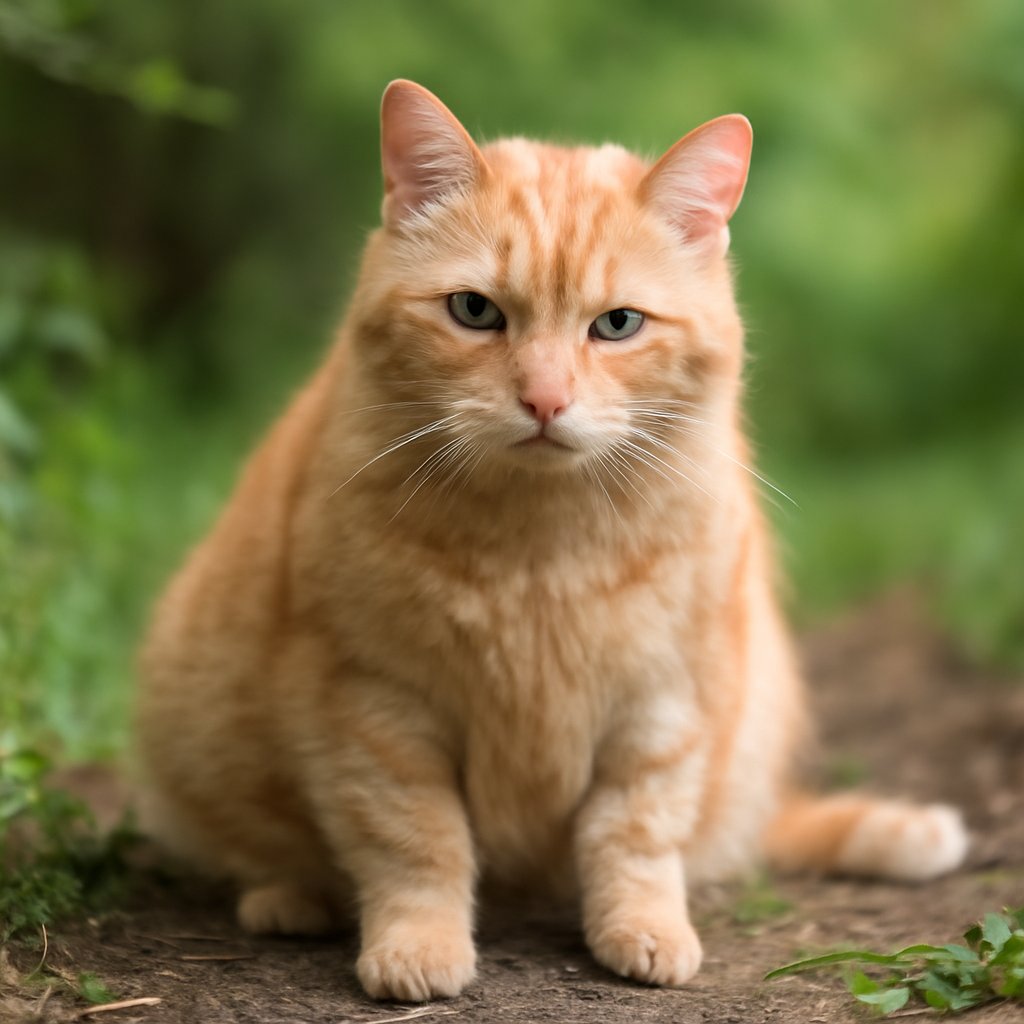
The relationship between obesity and feline diabetes deserves special attention because it’s both preventable and reversible in early stages. Overweight cats have fat tissue that produces inflammatory cytokines and hormones that directly interfere with insulin signaling. A cat that weighs just 10 percent above its ideal body weight carries measurably elevated diabetes risk. This is why body condition scoring—a system vets use to assess whether a cat feels bony, average, or overweight—matters more than the number on the scale. A robust Maine Coon might healthily weigh 15 pounds while a petite cat thrives at 8 pounds. Your vet can help determine what’s ideal for your individual cat’s frame and breed type.
For multi-cat households, managing weight becomes trickier because feeding time requires strategy. Dominant cats often eat from their companions’ bowls, or conversely, shy cats might skip meals if bullied away from the food station. Feeding cats in separate rooms or using microchip feeders that open only for individual cats prevents both overeating and competition-driven stress. This management layer takes effort but directly reduces diabetes risk across the group.
Recognizing behavioral changes alongside physical symptoms creates a fuller picture. Some cats develop food aggression or increased vocalization as their blood glucose climbs and they feel physically unwell. Others become withdrawn, hiding more than usual or showing reduced interest in interactive play. A normally affectionate cat that suddenly resists handling or swats when touched might be experiencing the discomfort of high blood glucose or early neuropathy rather than true behavioral change. Documenting when these shifts occur helps your vet correlate them with lab results.
The diagnostic process itself is straightforward but requires baseline awareness. A fasting glucose test provides initial screening, but a single elevated reading doesn’t confirm diabetes since stress in the vet’s office can raise glucose temporarily. Fructosamine testing measures average blood glucose over two to three weeks and gives a clearer picture. Urinalysis revealing glucose in the urine is a strong indicator, especially paired with clinical symptoms. Some vets also check for infections or thyroid issues since hyperthyroidism can mask or complicate diabetes diagnosis.
Treatment flexibility deserves emphasis because many owners assume an insulin diagnosis means lifelong dependency. Some cats, particularly those diagnosed early and started on insulin quickly, achieve complete remission within weeks or months as their pancreas recovers function. Others maintain remission through dietary management alone after initial insulin stabilization. The newest research suggests that very low-carbohydrate diets—mimicking a cat’s natural protein-focused prey diet—may improve outcomes beyond what we saw with standard prescription diets even five years ago. Prescription wet foods specifically formulated for diabetic cats, with carbohydrate content under 10 percent, show promising remission rates when combined with insulin therapy in the first weeks of diagnosis.
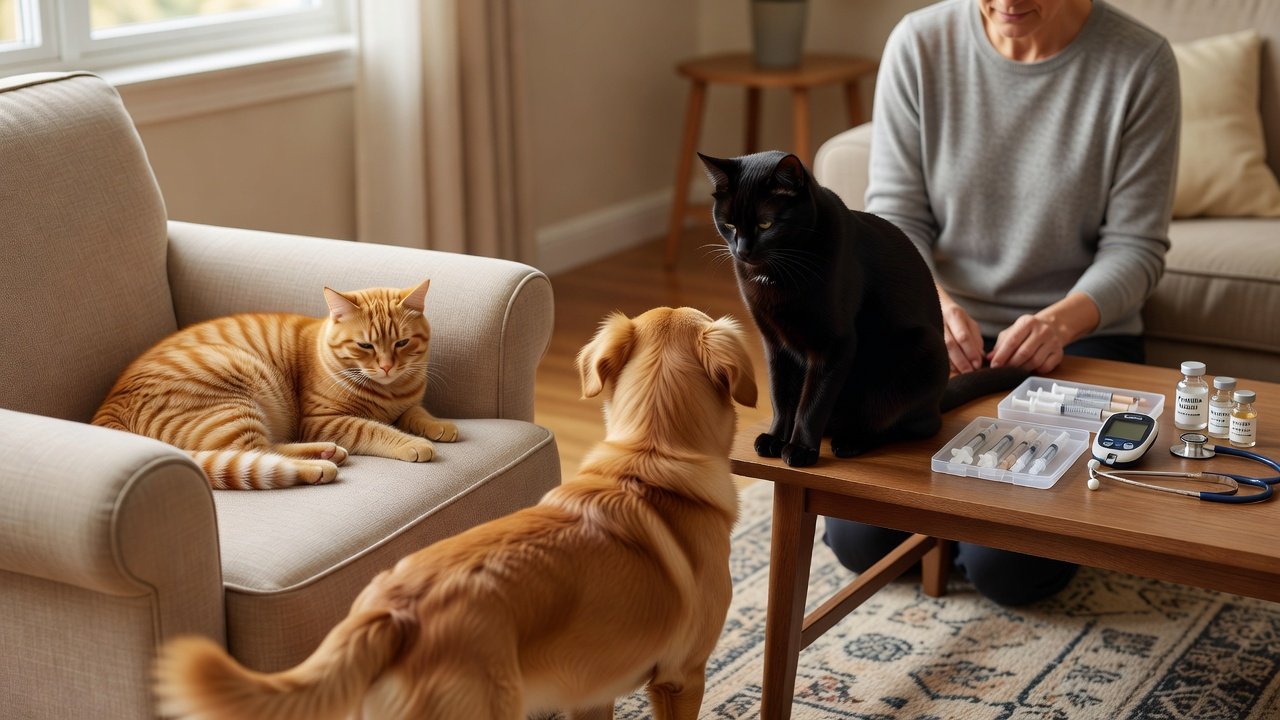
Monitoring at home becomes part of the daily routine once a cat is diagnosed. Learning to give insulin injections intimidates many owners initially, but most cats tolerate them remarkably well—the needles are thin, and many cats barely react. Some owners prefer pen-style injectors over syringes, or use automatic injection devices that minimize the needle’s visibility. Watching for signs of hypoglycemia—when blood glucose drops too low—is equally important. Shakiness, confusion, difficulty walking, or unresponsiveness warrant immediate glucose administration and veterinary contact. These episodes are rare when insulin is dosed properly, but knowing the warning signs prevents emergencies.
Prevention focuses on ideal body weight via low-carbohydrate diets and steady exercise. High-protein wet foods often stabilize blood sugar better than dry kibble. Senior cats benefit from vet visits every six months with fasting glucose checks, and fructosamine levels confirm issues fast when symptoms emerge. Multi-cat households gain from tailored plans, since more active breeds can conceal problems longer. Puzzle feeders tap into natural hunting instincts while capping calories.
Environmental enrichment plays an underrated role in diabetes prevention. Cats that engage in regular play and climbing burn calories and maintain muscle mass, both protective factors. Interactive toys, vertical climbing spaces, and daily play sessions—even 10 minutes—improve metabolic health. Senior cats particularly benefit from low-impact activities like laser pointers or feather wands that encourage movement without stressing aging joints.
Once symptoms appear, a full workup with urinalysis rules out overlaps like hyperthyroidism. Treatment typically starts with insulin and diet shifts, and many cats improve within weeks. Long-term success hinges on owner consistency with monitoring, adapting the same structured routines we use in dog training to fit cats’ independent nature.
Key facts underscore the stakes: roughly one in 230 cats develops diabetes amid rising obesity rates; Burmese cats face up to four times the average risk from hereditary factors; early detection boosts remission above 50 percent when insulin starts in the first six months; neutered males aged 8-12 show the highest onset rates; obesity doubles insulin resistance odds; regular low-impact exercise cuts blood glucose swings by 20-30 percent; and untreated cases lead to complications in 70 percent of cats within a year.
The financial and emotional investment in early intervention pays dividends. A cat caught in the pre-diabetic stage and managed through diet and exercise alone avoids years of insulin injections, frequent vet visits, and the stress of managing a chronic condition. Even cats requiring insulin benefit enormously from early treatment, as remission rates drop significantly if diagnosis is delayed beyond six months. The cost of preventive care—routine exams, bloodwork, and dietary adjustments—is minimal compared to managing diabetic complications or end-stage kidney disease that can develop secondary to uncontrolled diabetes.
Staying alert to shifts in thirst, appetite, and energy, then partnering closely with your
Related Posts
- Recognizing Early Signs of Kidney Disease in Cats
- Understanding Feline Leukemia and Prevention Methods
- Bug Bag Tips Every Pet Owner Needs for Outdoor Fun