
How to Meet Your Siberian Husky’\”s Exercise Needs for a Happy, Healthy Life
“`html
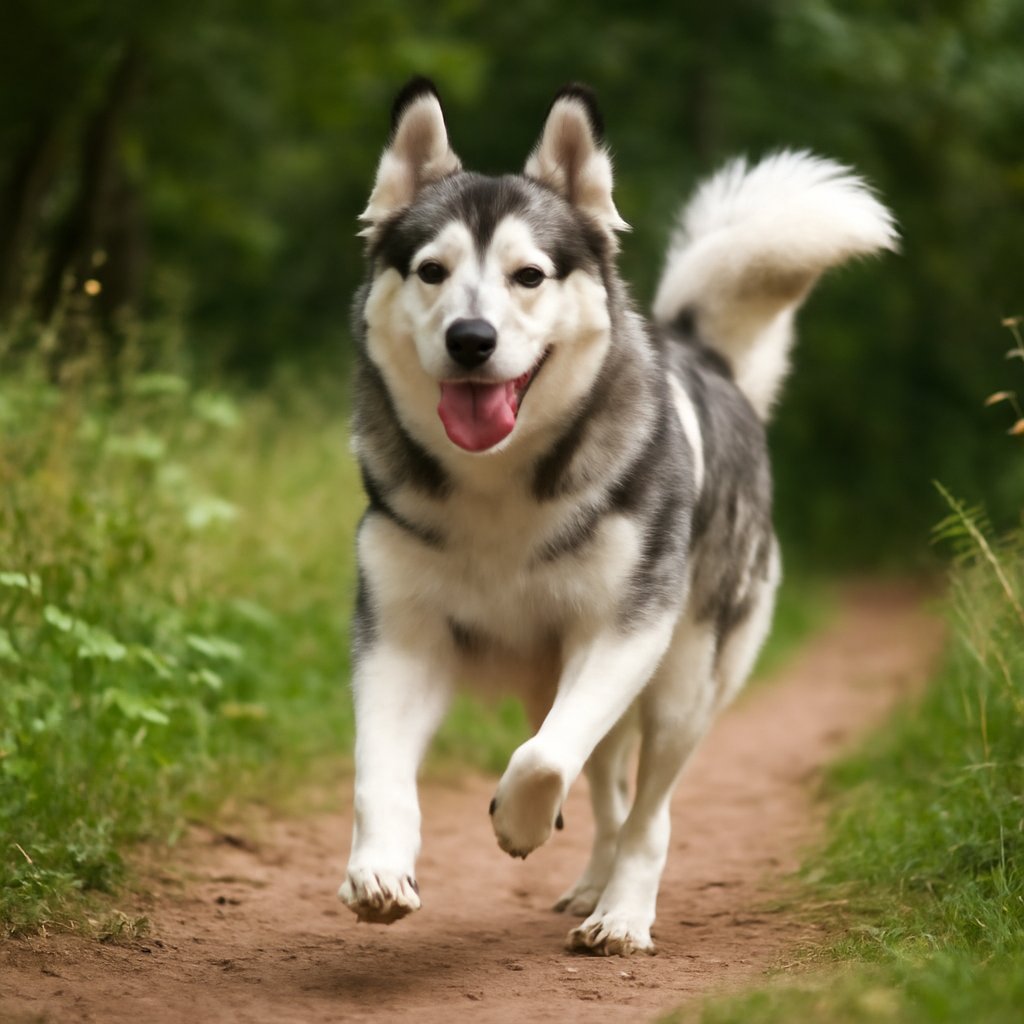
Bringing a Siberian Husky into your home means welcoming an energetic, intelligent companion with a rich history as a sled-pulling breed. These beautiful dogs thrive when their exercise needs are met, helping them stay physically fit, mentally sharp, and emotionally balanced. As a devoted pet owner, understanding how to provide the right amount and type of activity can transform your Husky from a restless wanderer into a joyful family member. This guide explores practical ways to support your Husky’s natural drive for movement while building a stronger bond with your pet.
In my years as a vet tech, I’ve seen this situation countless times: a Husky lands in a home without enough structured outlets for its Arctic-bred stamina, and the next thing you know we’re treating digging-related paw injuries or discussing how chronic chewing has escalated to household destruction. From a clinical standpoint, what owners miss here is how deeply that sled-dog heritage programs their cardiovascular and musculoskeletal systems for sustained work.
Siberian Huskies were originally bred in harsh Arctic conditions to pull heavy loads over long distances. This heritage gives them remarkable stamina and a strong desire to run and explore. Without sufficient outlets for their energy, Huskies may develop unwanted behaviors such as excessive digging, howling, or chewing. Recognizing these instincts helps you create an exercise plan that respects their breed traits while fitting into modern family life. Adult Huskies typically require more vigorous activity than many other breeds. Puppies and seniors have different needs, so adjusting routines based on age prevents injury and keeps your dog comfortable. Factors like coat thickness, weather tolerance, and individual personality also influence how much exercise your Husky can comfortably handle each day.
Most adult Siberian Huskies benefit from 60 to 90 minutes of moderate to intense exercise daily. This can be split into morning and evening sessions to prevent boredom and match their high metabolism. Short walks alone rarely satisfy them; instead, combine structured activity with free play in a secure area. Begin with a 30-minute brisk walk or jog to warm up muscles and joints. Include at least 20 minutes of running or fetch in an enclosed space. End sessions with calm stretching or scent work to help your dog wind down. Always provide fresh water and watch for signs of overheating, especially in warmer climates. Huskies excel in cooler weather, so early mornings or evenings are ideal during summer months. Tracking your dog’s weight and energy levels helps fine-tune the routine over time.
Understanding age-specific exercise requirements is crucial for preventing injury and ensuring your Husky develops properly. Siberian Husky puppies have growth plates that don’t fully close until around 12 to 15 months of age, making them vulnerable to joint damage from excessive or overly intense activity. During this critical period, aim for shorter, more frequent play sessions—about 5 minutes of exercise per month of age, twice daily, is a reasonable guideline. This means a three-month-old puppy should engage in roughly 15 minutes of structured activity per session. As your Husky approaches adulthood around 12 to 18 months, you can gradually increase intensity and duration. Senior Huskies, typically those over seven years old, may require modified exercise routines that maintain fitness without stressing aging joints. Swimming and gentle walks become increasingly valuable for older dogs, as these low-impact activities preserve muscle tone while reducing strain on arthritis-prone joints.
Variety keeps exercise interesting and prevents your Husky from losing motivation. Activities that mimic their sled-dog heritage work especially well and strengthen your relationship. Take your Husky on leashed runs along safe trails or participate in canicross events. Hiking provides mental stimulation through new scents and terrain while building endurance. Always use a sturdy harness designed for pulling breeds to protect their neck and shoulders—I’ve seen too many tracheal injuries from collar-only setups during strong pulls. Games like fetch with a flirt pole or tug-of-war satisfy their prey drive in a controlled way. Incorporate obedience training during play to keep their intelligent minds engaged. Agility courses or puzzle toys after physical activity add an extra layer of enrichment. If you live in a snowy region, introduce your Husky to skijoring or lightweight cart pulling. Supervised playdates with other high-energy dogs offer social exercise that feels natural to the breed. Doggy daycare one or two days a week can also help meet exercise goals when your schedule is busy.
The mental component of exercise deserves equal attention to physical exertion. Siberian Huskies possess remarkable problem-solving abilities and need cognitive challenges alongside physical activity. A tired Husky is a well-behaved Husky, but an intellectually stimulated Husky is truly content. Consider implementing nose work exercises where your dog searches for hidden treats or toys using their exceptional sense of smell. These activities engage ancestral hunting instincts and provide satisfaction that pure running cannot deliver. Interactive puzzle feeders, hide-and-seek games in your yard, and scent training sessions can be incorporated into your daily routine. Many owners find that splitting exercise into a morning run followed by an evening training session works better than one long activity block, as the mental challenge of training helps your dog wind down before bedtime.
Environmental factors significantly impact how you should adjust your Husky’s exercise routine. These dogs have thick double coats designed for Arctic temperatures, which means they struggle in heat. During summer months or in warm climates, exercising during the coolest parts of the day—early morning before 9 a.m. or after 7 p.m.—becomes essential. Asphalt and concrete can also heat up dangerously, potentially burning paw pads, so choose grass or dirt trails when possible. Conversely, winter weather is when Huskies truly shine. Many owners report their dogs have seemingly endless energy in cold, snowy conditions. If you live in a snowy region, winter provides an opportunity to maximize your Husky’s activity levels without overheating concerns. However, salt and ice-melting chemicals can irritate paws, so rinse your dog’s feet after winter outings.
Pay close attention to how your dog responds after activity. Healthy signs include a relaxed demeanor, good appetite, and restful sleep. Watch for limping, excessive panting, or reluctance to move, which may indicate the need for a veterinary checkup. Some Huskies are so driven they will push through pain or exhaustion, potentially injuring themselves. Learning to read your individual dog’s signals prevents overuse injuries. Hip dysplasia and elbow dysplasia are genetic concerns in the breed that can be exacerbated by improper exercise, particularly during growth phases. Regular wellness visits help rule out conditions that could affect exercise tolerance. Maintaining a consistent schedule while remaining flexible during extreme weather keeps your Husky both safe and satisfied. Over time, you will learn the perfect balance that keeps your companion thriving.
Exercise works best when paired with proper nutrition, grooming, and mental stimulation. Feed a high-quality diet formulated for active breeds and schedule brushing sessions after outdoor adventures to manage their thick double coat. Creating a daily rhythm that includes exercise, training, and quiet bonding time supports your Husky’s long-term health and happiness. Many owners underestimate how much grooming an exercised Husky requires—outdoor activity means more dirt, debris, and potential for mats in their double coat. Regular brushing also gives you an opportunity to check for injuries, tick bites, or skin issues that outdoor adventures might expose your dog to.
Finding the right exercise routine takes experimentation and patience. What works for one Husky may not work for another, as individual temperament, health status, and living situation all play roles. Keep notes about your dog’s behavior, energy levels, and physical condition to identify patterns. If your Husky exhibits destructive behavior, excessive vocalization, or restlessness despite what seems like adequate exercise, the issue may be insufficient mental stimulation rather than physical activity. Conversely, if your dog seems constantly exhausted or shows signs of joint problems, you may be overdoing it. Consulting with your veterinarian can help establish a baseline exercise plan tailored to your specific Husky’s needs.
With patience and consistency, meeting your Siberian Husky’s exercise needs becomes a rewarding part of pet ownership. Your efforts will be rewarded with a loyal, well-behaved companion who enjoys every moment spent together.