
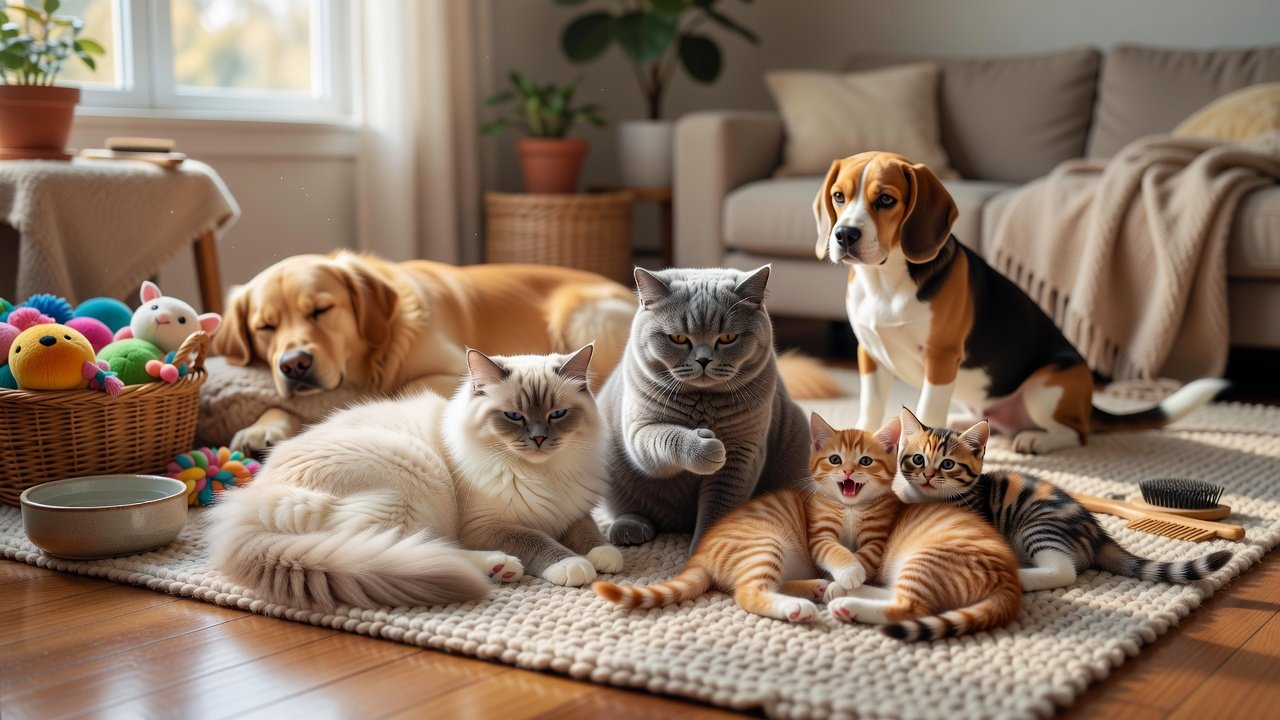
Top Family-Friendly Cat Breeds With Gentle Natures
“`html
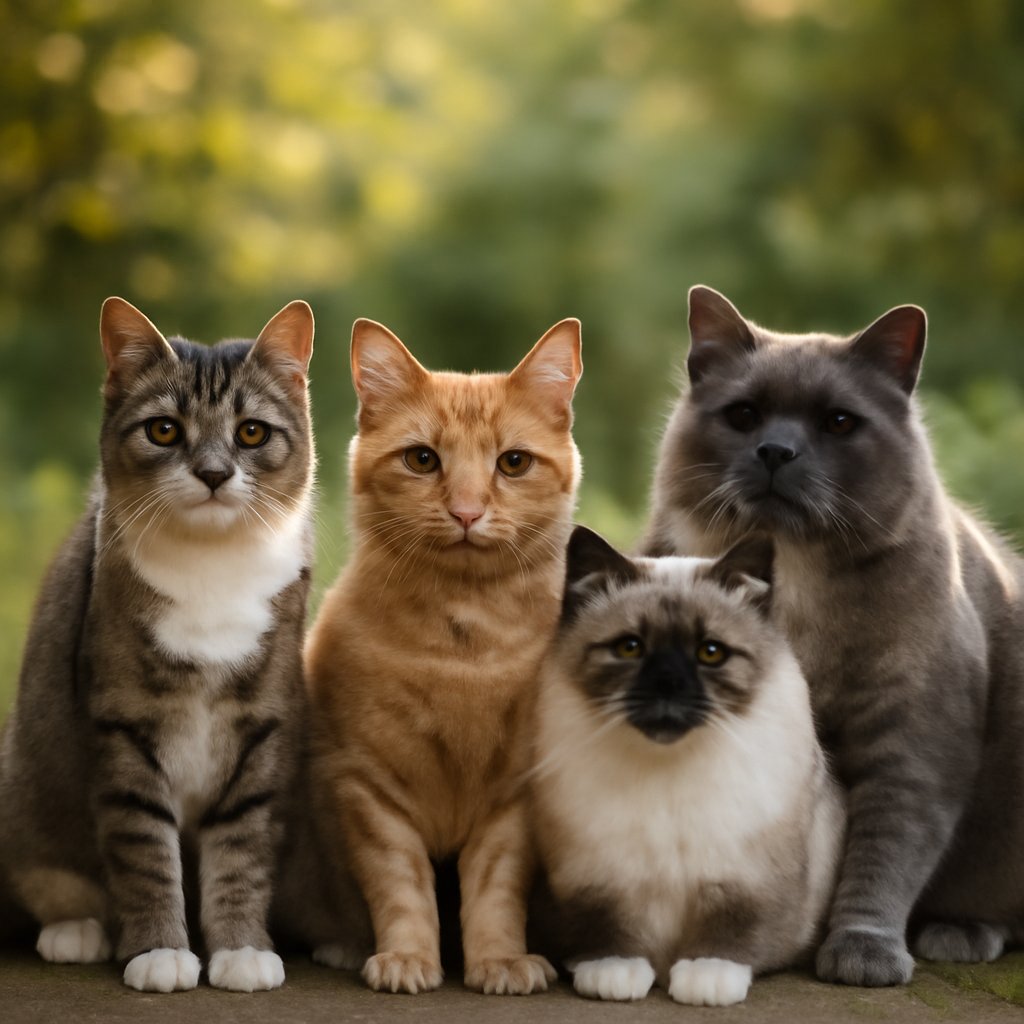
When you’re looking for that perfect feline addition to your busy household, nothing quite matches the quiet joy of welcoming a gentle cat into the mix. These affectionate, patient companions seem to sense exactly when little hands need a soft cuddle or when the day’s chaos calls for a calm presence on the couch. What every pet owner who’s adopted knows is that the real magic often comes from rescue stories—those unexpected bonds that turn a shelter visit into a lifelong family connection. My rescue cats have taught me that temperament matters far more than pedigree, yet certain breeds consistently shine for their easygoing ways around kids, seniors, and other pets alike.
Understanding why these gentle dispositions matter starts with the everyday realities of family life. Cats with lower-aggression tendencies and high tolerance around children create safer playtimes and fewer worries about scratches during excited moments. Veterinarians often note how these calm cats help children learn responsibility without adding stress to the home. Their relaxed approach also makes training smoother through positive reinforcement, and that same low-stress lifestyle tends to mean fewer issues like urinary tract problems down the line.
Among the breeds that frequently top recommendations, Ragdolls stand out for their signature floppy relaxation when held and their deep loyalty—they love trailing family members room to room. Maine Coons bring a dog-like playfulness that works beautifully in multi-pet homes, complete with their tufted ears and bushy tails. British Shorthairs offer that plush, teddy-bear look paired with patient temperaments ideal for homes with toddlers. Persians add serene luxury with their long coats, though they do need regular grooming, while Birmans bring silky paws and a quietly affectionate presence that soothes even the liveliest households. Early socialization helps all of these cats lean into their naturally gentle sides.
Ragdolls deserve a closer look for families considering their adoption. Originally developed in California during the 1960s, these striking blue-eyed cats were bred specifically for calm, patient temperaments. Their semi-long coats display a color-point pattern similar to Siamese cats, but their personalities couldn’t be more different—Ragdolls lack the vocal intensity of their distant cousins. They’re known for their unique tendency to go limp when picked up, almost like a child’s ragdoll toy, which makes them exceptionally safe and manageable around young children who are learning gentle handling. Many families report that their Ragdolls actively seek out children’s company and seem to understand intuitively that little ones need extra gentleness. These cats typically weigh 10-15 pounds and require regular brushing to prevent matting in their silky coats.
Maine Coons offer something entirely different—a giant breed with an outsized personality but an equally oversized heart. These magnificent cats can weigh 18-25 pounds or more, yet they maintain surprising grace and gentleness despite their size. Maine Coons developed naturally in the harsh climate of Maine, which accounts for their thick, water-resistant coats and sturdy builds. What makes them ideal for families is their intelligence and dog-like loyalty. They enjoy interactive play, will often learn to fetch, and frequently enjoy walking on harnesses. Maine Coons are particularly good with multiple children and pets, as they seem to view the whole family as part of their pride. Their tufted ears and bushy tails give them an almost mythical appearance, and their playful nature keeps households entertained. They’re slower to mature than other breeds, remaining kitten-like in their enthusiasm well into adulthood, which appeals to active families.
British Shorthairs represent the calm, steady presence that appeals to families wanting a more independent but still affectionate companion. These stocky, round-faced cats with dense coats come in numerous color varieties, with blue-gray being perhaps the most iconic. British Shorthairs have moderate energy levels and don’t demand constant interaction, making them perfect for families with busy schedules or working parents. They’re content to entertain themselves but will always appreciate quality time with their humans. Their patient nature means they tolerate being held and handled better than many breeds, and they rarely become overstimulated. These cats adapt beautifully to apartment living due to their lower exercise requirements and calm demeanor. A British Shorthair is likely to be found contentedly lounging on a favorite cushion rather than scaling curtains.
Persians bring a touch of elegance and serenity to any home, though prospective owners should understand their grooming needs upfront. Their long, luxurious coats require daily brushing to prevent matting and maintain their signature fluffy appearance. This grooming requirement isn’t just aesthetic—regular brushing prevents skin issues and helps owners catch any health concerns early. Persians are generally quiet cats with gentle temperaments, preferring calm environments over chaotic households. They love their families but don’t demand excessive attention, making them suitable for homes where children understand the need for calm, respectful interaction. Their placid nature and beautiful appearance have made them one of the most popular breeds historically, and for good reason.
Birmans offer a middle ground between the high-maintenance Persian and more active breeds. These cats feature striking blue eyes, cream and chocolate-colored coats, and notably white paws that look like they’ve been dipped in snow. Birmans are more active and playful than Persians while still maintaining gentle, affectionate temperaments. They’re highly social and often follow family members from room to room, offering quiet companionship without being demanding. Birmans typically weigh 6-12 pounds and require regular grooming but significantly less intensive care than Persians. They integrate well into families and tend to be excellent around both children and other pets.
Care for these companions feels rewarding rather than routine. Daily brushing keeps coats healthy and creates those quiet bonding moments these cats seem to crave. Clicker training and treats work wonders for litter habits and simple commands. Annual vet visits catch concerns like hypertrophic cardiomyopathy early in larger breeds, while quality protein supports their steady energy and helps prevent weight gain from their relaxed pace. Introducing new family members gradually plays to their tolerant strengths, and simple additions like window perches keep them content without overstimulation.
Creating the right environment matters just as much as selecting the right breed. These gentle cats appreciate consistent routines, which actually help them feel more secure and confident in family settings. Providing multiple vertical spaces through cat trees or wall shelves gives them escape routes when they need quiet time away from children. Establishing house rules with children—such as respecting the cat’s space during mealtime or when sleeping in a favorite spot—teaches both kids and cats to coexist harmoniously. Teaching children that cats aren’t toys but living beings deserving of respect creates lasting lessons in empathy and responsibility.
The numbers tell their own story: Ragdolls often rank high in family surveys for their strong tolerance around children. Maine Coons can reach 25 pounds yet stay gentle, with many homes reporting lower stress after adoption. British Shorthairs need only moderate exercise, suiting apartments well. With good care, these cats often live 12-15 years. Those adopted and socialized before 12 weeks show notably fewer behavior concerns, and positive training methods boost bonding success dramatically.
Nutrition plays an underrated role in maintaining these cats’ gentle dispositions. High-quality, protein-rich cat food supports stable energy levels and brain chemistry. Omega-3 and omega-6 fatty acids promote healthy skin and coat condition, reducing discomfort that might otherwise cause irritability. Maintaining appropriate weight through measured portions and regular play prevents joint stress that could make cats irritable. Fresh water availability throughout the home encourages hydration, which is essential for kidney and urinary tract health.
In the end, choosing a gentle cat turns any house into a softer, more connected space. Whether you find your match in a Ragdoll, Maine Coon, British Shorthair, or discover a similar soul at your local rescue—these companions reward thoughtful care with years of quiet love. Prioritizing early handling, good nutrition, and regular checkups lets them grow right alongside your family, one peaceful purr at a time. The bond between a child and a gentle cat creates memories that last lifetimes, teaching lessons about kindness, empathy, and unconditional affection that no classroom ever could.
Sources
- American Kennel Club (AKC) – Breed information and standards
Related Posts
- Popular Large Cat Breeds and Care Needs
- Facts About Rare Cat Breeds Gaining Popularity
- Cat Breeds That Get Along with Dogs
- Most Intelligent Cat Breeds Ranked for Owners
- Top 10 Most Popular Cat Breeds in America
- How to Create a Pet Friendly Garden