
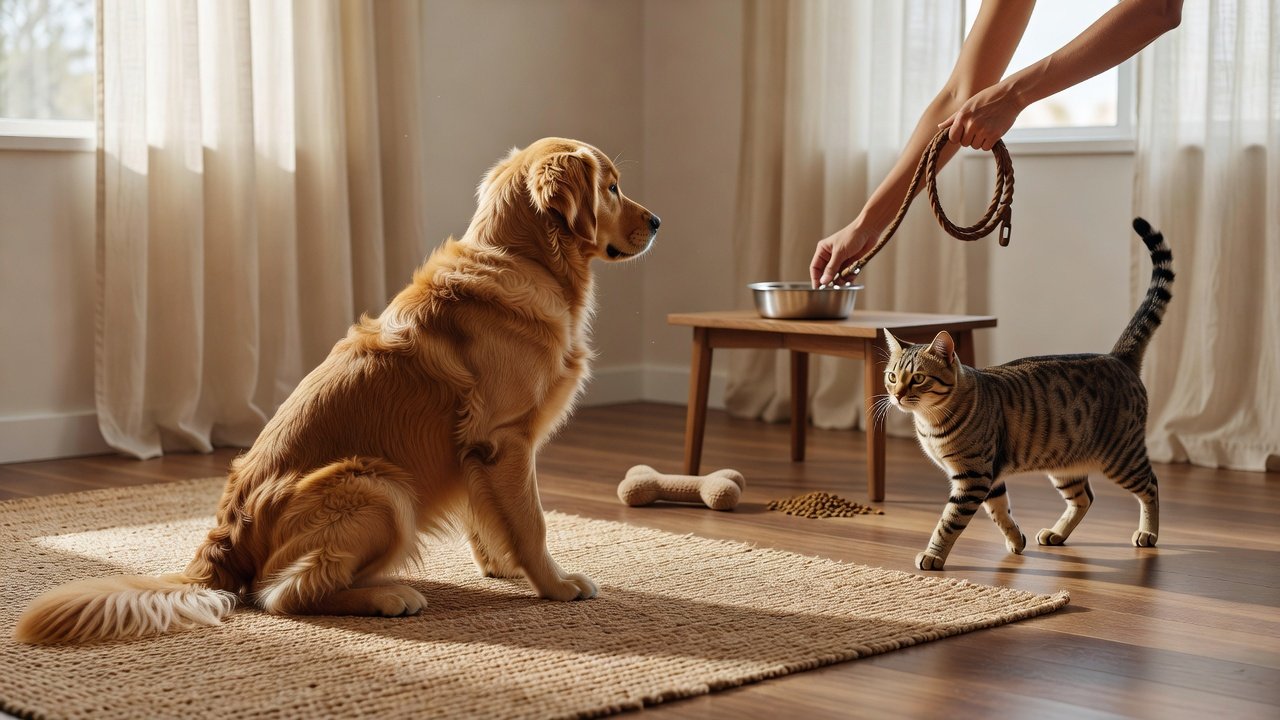
Top Training Commands Every Dog Should Know
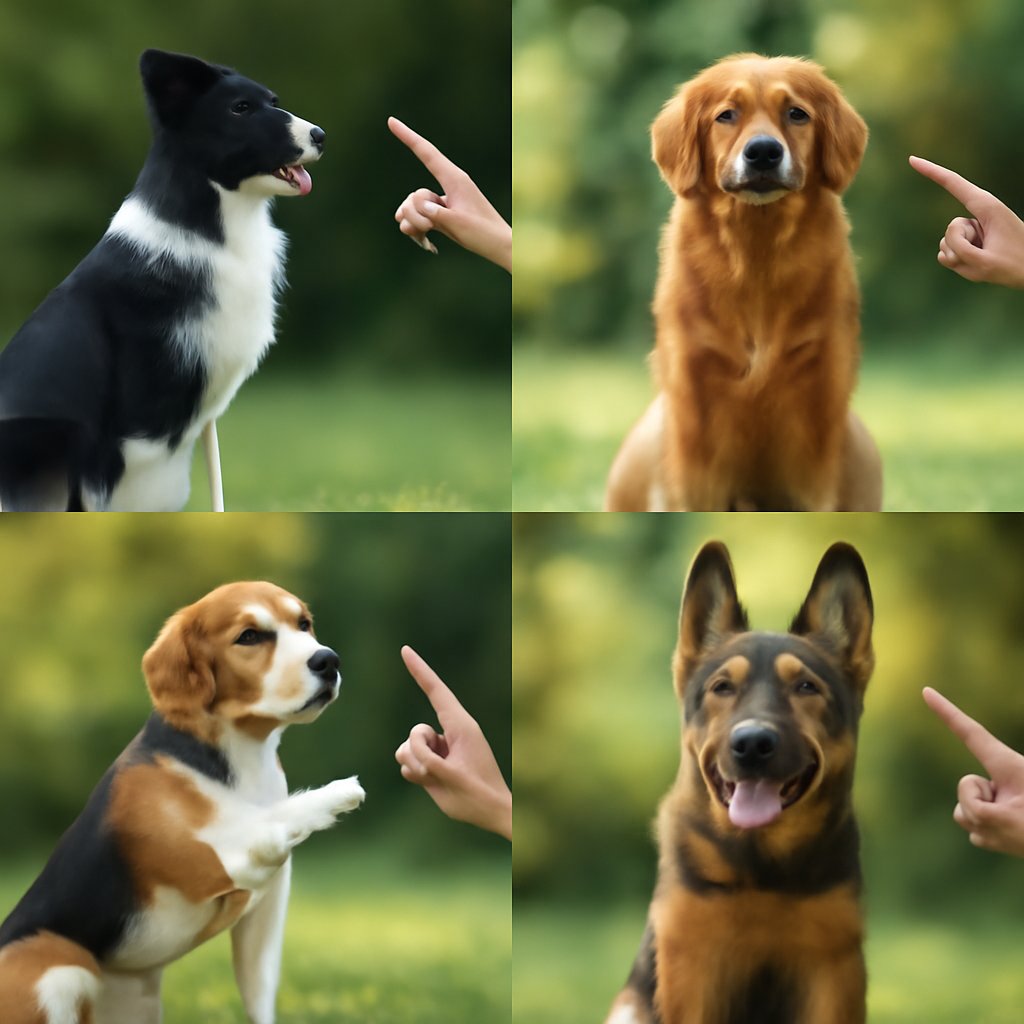
Building a solid foundation with the core training commands every dog needs is essential for responsible ownership and a stronger human-animal bond. These skills sharpen communication, boost safety on walks or outings, and support overall health by lowering stress and curbing behavioral problems before they escalate. Whether your dog is a high-drive Labrador or a watchful German Shepherd, consistent work with these cues creates reliable responses that make daily routines smoother and more enjoyable.
From a clinical standpoint, what owners miss here is how obedience training establishes clear boundaries and mutual respect while stimulating mental activity. In my years as a vet tech, I’ve seen this situation countless times with breeds like Border Collies or Jack Russells that spiral into anxiety or destructive chewing when understimulated. Regular sessions also promote physical exercise, helping maintain healthy weight and cardiovascular function, and they reduce conflicts in multi-pet homes by teaching peaceful coexistence.
The sit command is the starting point for most programs because it builds impulse control and calm behavior. Hold a treat above your dog’s nose, move it slowly backward until the rear hits the ground, then reward right away with praise and the treat. Short five-minute sessions repeated several times daily yield the best retention. Stay extends this by teaching patience, useful at doorways or during exams. Begin with short durations, increase time and distance gradually, and keep eye contact. Down promotes relaxation, especially for larger breeds like Great Danes prone to jumping. Use a firm but positive tone and always finish on a success to build confidence.
These basics prevent mishaps during neighborhood walks and simplify grooming or nail trims. For energetic puppies, they redirect excess energy productively and lower injury risk from uncontrolled bursts.
Recall, or “come,” ranks among the most critical for safety, letting you pull your dog from traffic or wildlife. Start in low-distraction areas with a long leash and enthusiastic rewards on return. Heel keeps dogs walking politely beside you without pulling, protecting joints for both of you. Mark correct positioning with treats or a clicker. Leave it trains dogs to ignore dropped food, toxins, or other animals, cutting poisoning risks. Place an unappealing object down first, reward looking away, then advance to more tempting items. These prove especially valuable for prey-driven breeds like Huskies or Beagles.
While the commands stay universal, breed traits shape the method. High-energy workers like Australian Shepherds thrive with advanced variations and agility elements, whereas sensitive companions like Cavalier King Charles Spaniels need gentler, briefer sessions. Positive reinforcement succeeds across the board, though some hounds respond better to scent-based rewards. Add mental games to hold intelligent dogs’ attention, and watch for fatigue or frustration to protect both physical and mental health.
Properly trained dogs show lower cortisol levels and stronger immune function from reduced chronic stress. Training also helps owners spot early health changes through better attunement to normal body language and responses. For seniors, maintaining these skills supports cognitive function and mobility. Paired with routine veterinary care and balanced nutrition, it contributes to longer, healthier lives.
Key facts bear this out: over 80% of owners note improved household harmony after consistent training; recall-trained dogs are 60% less likely to face traffic accidents; positive reinforcement boosts retention by up to 75% versus punishment methods; regular sessions cut obesity risks through daily activity; and working breeds need 20% more mental stimulation via commands to avoid anxiety disorders.
Training timeline and expectations vary by age and individual temperament. Puppies as young as eight weeks can begin learning basic commands like sit and come, though their attention spans remain short—typically three to five minutes per session. Adult dogs often pick up commands faster due to longer focus windows, often mastering new cues within one to two weeks with daily practice. Senior dogs can still learn, though progress may slow; the cognitive engagement actually supports brain health and can even help delay age-related cognitive decline. Consistency matters more than speed—practicing the same command daily for two weeks typically produces better results than sporadic intensive sessions over a shorter timeframe.
The timing of reward delivery is crucial to effective training. Research in canine behavioral science shows that rewards delivered within one to two seconds of correct behavior create stronger neural associations. This is why many professional trainers recommend clicker training, which uses an audible marker to precisely pinpoint the exact moment your dog performed the desired action. The clicker bridges the gap between the behavior and the treat, helping your dog understand exactly which action earned the reward. This method accelerates learning and reduces confusion, particularly useful when training multiple commands simultaneously.
Environmental factors significantly impact training success. Distractions like other dogs, traffic sounds, or squirrels can overwhelm young learners and break focus. Always begin training in quiet, controlled settings—your living room or a quiet corner of the park works well. Once your dog reliably responds in low-distraction environments, gradually introduce mild distractions: practicing sit in different rooms, then the backyard, then a calm park setting. This progressive exposure, called proofing, ensures commands remain solid even when exciting stimuli appear. Dogs don’t generalize behaviors as readily as humans do, so training “sit” in the kitchen doesn’t automatically mean your dog knows sit at the dog park—exposure to various contexts is necessary.
Understanding your dog’s individual motivation system accelerates training dramatically. While many dogs respond to food rewards, some prefer toys, play, or verbal praise. Some breeds with strong prey drives may fixate on small moving objects rather than treats. Experiment with different rewards to identify what truly excites your dog. High-value treats—small pieces of chicken, cheese, or commercial training treats—work best for new commands, while lower-value rewards maintain habits once learned. Varying rewards also prevents dogs from becoming bored with the same incentive and helps them generalize that good behavior pays off unpredictably, which actually strengthens habit formation.
The “wait” command deserves special attention as a distinct behavior from “stay.” While stay implies your dog should remain in position indefinitely, wait means your dog pauses momentarily until given the next instruction. This proves invaluable at doorways, before meal times, or when crossing streets. Teaching wait involves asking your dog to pause for a few seconds, then releasing with a word like “okay” or “go.” Many trainers find wait easier than stay for anxious dogs because the expectation of imminent release reduces tension.
Troubleshooting common training plateaus requires patience and adjusted strategies. If your dog knows a command indoors but ignores it outside, that’s context-specific learning, not disobedience. Returning to quieter outdoor locations and rewarding heavily reinforces the command across environments. If your dog seems bored or unmotivated, training sessions may be too long, rewards too predictable, or the dog may need more physical exercise beforehand. A tired but not exhausted dog learns better than a restless, overstimulated one. If your dog regresses after previously learning a command, stress, pain, or health changes could be factors—a veterinary checkup rules out physical causes before assuming behavioral backsliding.
Multi-dog households present unique training challenges. Dogs learn from observing each other, which can be helpful or problematic. One dog’s excitement might trigger another’s misbehavior. Training dogs individually in separate spaces prevents distraction and accelerates individual progress, then gradually combine dogs once each knows the command reliably. Rewarding calm, trained behavior in the presence of other dogs reinforces better impulses and reduces competitive dynamics around treats and attention.
Investing time in these commands delivers real returns in safety, companionship, and long-term health. Start with the basics, move at your dog’s pace, and celebrate each small win. With patience and consistency, any dog becomes a well-mannered family member ready to enjoy life alongside you.
Sources
- American Kennel Club (AKC) – Dog Training Guide – Official AKC training resources and best practices
- ASPCA – Dog Training Tips – Expert advice on training commands and behavior
- VCA Animal Hospitals – Dog Training Tips – Veterinary perspective on training techniques
-
Related Posts
- Training Your Dog to Walk Calmly Leash
- Training Your Dog to Walk Calmly on Leash
- Training Techniques to Curb Aggressive Dog Behavior
- Pictures of Bed Bug Bites: What Every Pet Owner Should Recognize
- 24 Hour Stomach Bug in Dogs: What Every Pet Owner Should Know
- How to Teach Basic Obedience Commands to Puppies