
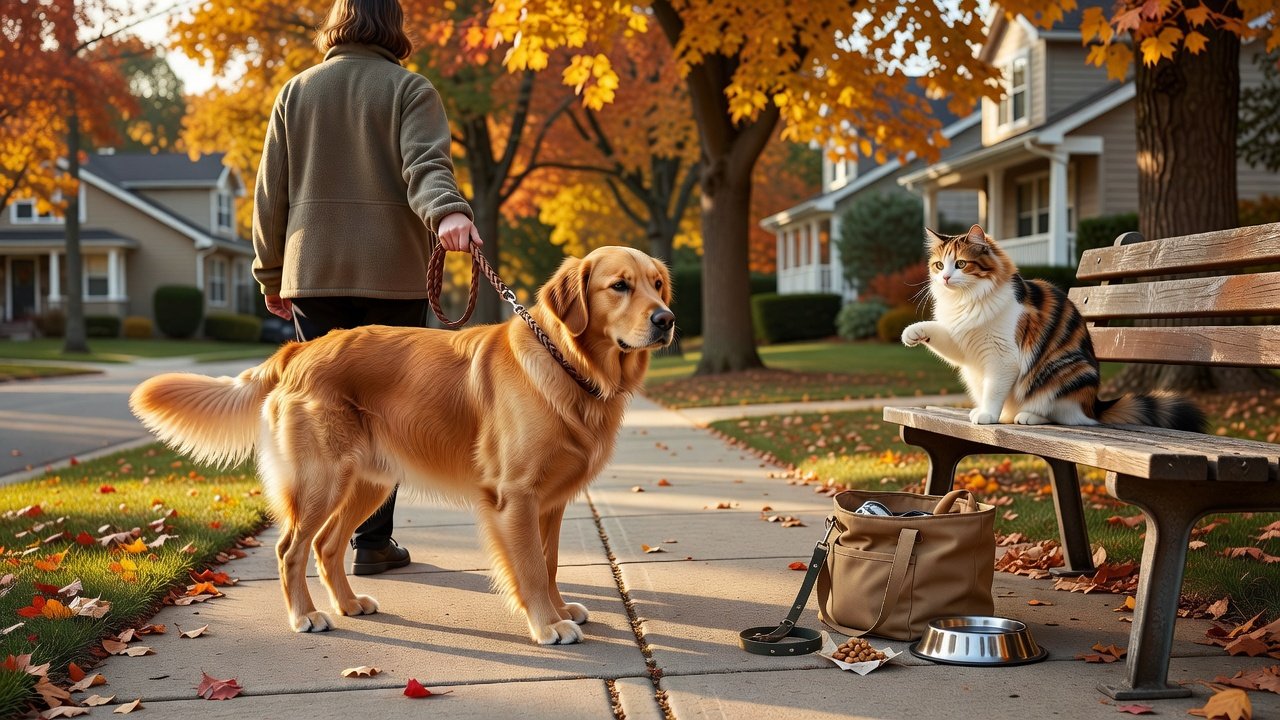
Training Your Dog to Walk Calmly on Leash
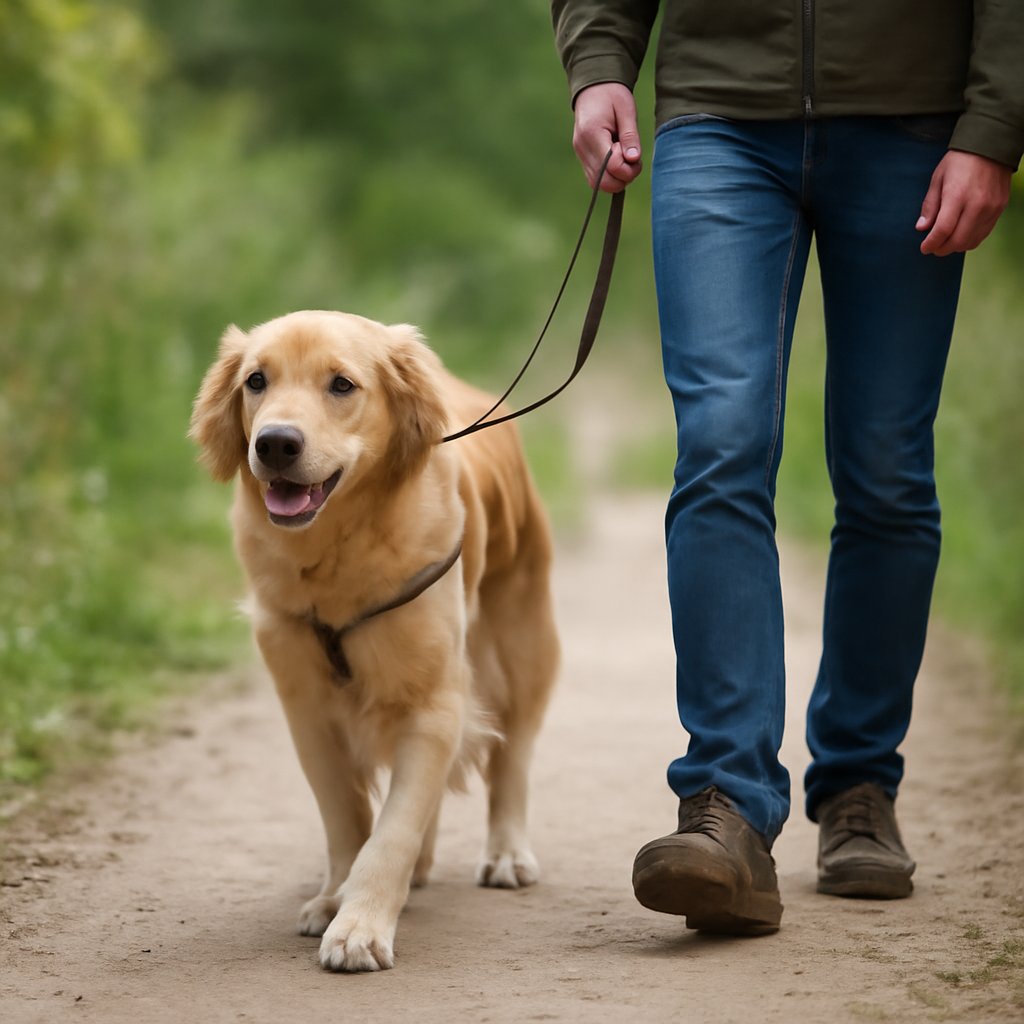
Training your dog to walk calmly on leash stands as one of the most practical skills any owner can instill, turning potentially chaotic outings into reliable daily exercise that supports both physical conditioning and behavioral stability. Whether dealing with a high-drive puppy or an adult dog that has developed pulling habits, the process relies on positive reinforcement principles drawn from established training methodology, which consistently outperforms aversive approaches in long-term outcomes. From a clinical standpoint, what owners miss here is how unchecked pulling contributes to cumulative strain on the cervical vertebrae and trachea, issues I have documented repeatedly in exam rooms over the past decade.
In my years as a vet tech, I’ve seen this situation countless times with dogs presenting for neck discomfort or respiratory irritation directly tied to equipment and handling that allowed tension on the lead. Calm leash walking promotes natural gait mechanics, supports cardiovascular efficiency, and helps moderate cortisol levels during activity. Data from animal health surveys indicate that consistent, controlled walks play a measurable role in addressing obesity rates exceeding 50 percent in many dog populations, while also reinforcing the handler-dog relationship and reducing reactivity in social contexts.
Proper training builds handler focus in excitable dogs and bolsters confidence in those that are more reserved. Clients frequently note fewer lunging episodes once the dog learns to orient toward the person holding the leash. This foundation also eases transitions into veterinary examinations, car travel, and group settings by establishing predictable responses under mild stress.
Selecting appropriate tools marks the initial applied step. Choke and prong devices carry documented risks of tissue trauma and should be avoided; front-clip harnesses or head halters instead redirect forward momentum through even pressure distribution. A standard 4-to-6-foot leash offers sufficient control without excess slack that invites pulling. For younger or recently adopted dogs, lighter materials reduce initial resistance during acclimation.
Harnesses prove especially useful for brachycephalic breeds such as Bulldogs and Pugs, whose airway anatomy already predisposes them to labored breathing under load. Martingale collars provide an intermediate option for sighthounds with narrow heads. Proper fitting and gradual introduction with food rewards create positive associations; retractable leashes, by contrast, tend to reinforce forward momentum and diminish handler precision during early sessions.
Begin practice in a low-stimulus area such as a fenced yard. Maintain loose leash tension and deliver high-value reinforcers precisely when the dog maintains position beside you. A clear marker such as the word “yes” bridges the behavior to the reward. The moment tension appears, halt forward movement and resume only after slack returns—this contingency directly teaches that pulling produces no progress.
Advance to outdoor environments only after reliable responses indoors. Limit early repetitions to five or ten minutes to preserve attention. Introduce directional and pace changes to sustain engagement. For dogs that fixate on wildlife or passersby, layer in “watch me” cues and incrementally widen the distance from triggers. Uniform application of the protocol across all household members accelerates acquisition.
Many owners unintentionally maintain pulling behavior by continuing to walk when tension develops. Abrupt leash corrections or punishment-based interruptions can heighten fear responses and exacerbate reactivity. Inconsistent reinforcement timing also slows progress; fade treats only after the behavior stabilizes across multiple contexts. Watch for handler frustration signals as well, and insert brief pauses when needed.
When improvement plateaus, first verify harness fit and consider elevating treat value. Some dogs respond well to “find it” scatter-feeding on the ground to redirect visual attention downward. Cases involving prior trauma or intense fear often benefit from referral to a credentialed behavior professional.
Breed tendencies influence training timelines because of underlying genetic drives. Herding breeds such as Border Collies typically require added cognitive tasks during walks, while scent hounds like Beagles need structured focus work to manage olfactory distractions. Toy breeds fatigue faster, favoring shorter, repeated sessions, whereas large guardian breeds profit from early, broad socialization to temper protective responses toward unfamiliar people.
Even within a single breed, individual variation in energy and learning pace demands flexibility. Mixed-breed dogs may display blended traits, so protocols should be adjusted accordingly. Always screen for orthopedic or cardiopulmonary conditions with a veterinarian before increasing intensity.
Over 60 percent of owners identify pulling as their primary walking difficulty in recent surveys. Positive-reinforcement protocols produce reliable loose-leash walking in most adult dogs within four to eight weeks of daily practice. Dogs maintained on loose leash experience approximately 30 percent fewer equipment-related injuries. Labrador Retrievers often advance quickly due to strong food motivation, whereas terriers may require extended patience. Routine training correlates with reduced obesity incidence and better joint longevity into senior years, while also lowering shelter relinquishment rates tied to common behavior complaints.
Training your dog to walk calmly on leash ultimately rests on consistent application of the right equipment, measured reinforcement, and respect for each animal’s physical and behavioral profile. The resulting improvement in daily routine and preventive health outcomes justifies the initial investment of time. Start with brief, successful repetitions, track incremental gains, and involve a veterinary behaviorist when cases exceed standard household management.