
Understanding Feline Leukemia and Prevention Methods
“`html
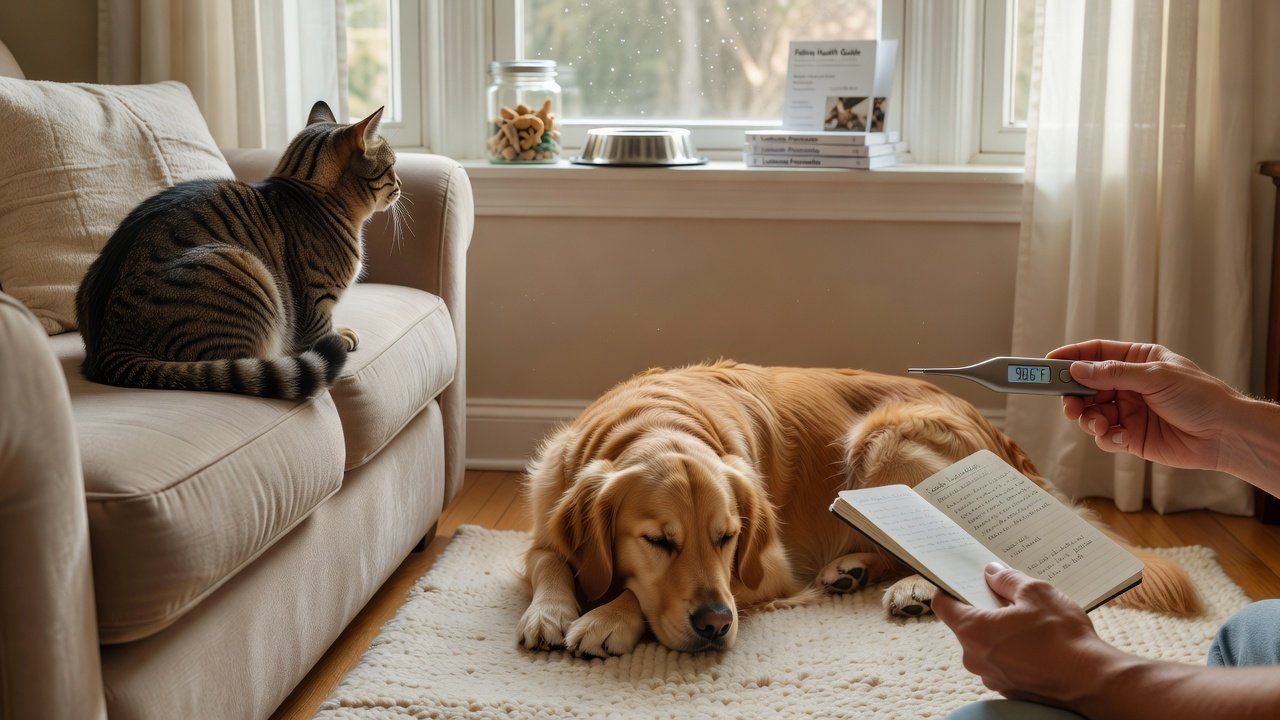
As a rescue advocate who’s brought home three cats from shelters over the years, I’ve learned that protecting our feline friends starts with understanding the quiet threats they face. Feline leukemia virus, or FeLV, is one of those—weakening a cat’s immune system and opening the door to secondary infections, anemia, and even certain cancers. What every pet owner who’s adopted knows is that early awareness of feline leukemia and prevention methods can truly change the trajectory for cats who have already navigated uncertain beginnings.
My rescue cats have taught me just how resilient these animals can be when we step up with knowledge and care. FeLV belongs to the retrovirus family and targets white blood cells, slipping into the host’s DNA where the immune system struggles to fight it off. Cats of any age are vulnerable, though kittens and young adults often face steeper odds because their defenses are still developing. The virus moves through stages, sometimes clearing after the first infection or settling in as a persistent case. Those persistent carriers shed it through saliva, nasal secretions, urine, and feces, which is why rescue groups and shelters emphasize careful introductions.
It’s helpful to know how FeLV stands apart from FIV, another retrovirus. FeLV spreads more readily through everyday contact like grooming or shared litter boxes, while FIV usually needs a deeper bite wound. Understanding this difference lets us tailor protection to the rhythms of a multi-cat household, especially when blending adopted pets who may come from unknown backgrounds.
Spotting symptoms early makes all the difference. Watch for ongoing fever, weight loss, lethargy, pale gums, or repeated respiratory and digestive infections. Some cats develop swollen lymph nodes or tumors in places like the intestines or thymus. Vets typically begin with an in-clinic ELISA blood test for viral antigens, then confirm with PCR testing. Transmission happens mainly through extended close contact, nursing from mother to kitten, or even blood transfusions. Outdoor cats and those in busy multi-cat homes without screening carry higher risks, something I’ve seen firsthand when fostering before adoption.
Although FeLV touches every breed equally, certain purebreds like Abyssinians and Bengals can have genetic leanings toward secondary issues. Regular health checks matter for any cat, whether they’re a shelter alum or a longtime family member.
Prevention sits at the heart of keeping our cats safe. The FeLV vaccine offers strong protection when given on the schedule your vet recommends. Kittens often start the series at eight weeks, with follow-ups based on their lifestyle. Indoor cats who never meet unknown felines might need fewer boosters. Testing newcomers before they join the family prevents heartbreak, and spaying or neutering cuts down on roaming that raises exposure chances. Simple steps like separate feeding areas and regular cleaning help limit how long the virus lingers outside the body.
For cats who might be at risk, small lifestyle shifts add layers of safety. Keeping everyone indoors, skipping raw diets that can tax immunity, and booking yearly wellness visits all help. Shelters and catteries rely on quarantine and group testing to stop outbreaks before they start. Pairing vaccination with a calm home environment supports the immune system in ways that feel deeply personal when you’ve watched a rescue cat thrive.
The vaccination process itself deserves closer attention. Most veterinarians recommend the FeLV vaccine as a core vaccine for all kittens, with particular emphasis on those going outdoors or living in multi-cat environments. The initial series typically involves two shots given three to four weeks apart, followed by a booster one year later. After that, your vet may recommend boosters every one to three years depending on your cat’s lifestyle and local disease prevalence. It’s worth noting that while the vaccine is highly effective, it’s not 100% foolproof—but the protection it provides can mean the difference between a brief exposure and a life-altering infection. Discuss with your veterinarian whether your cat’s specific situation warrants the core vaccine or if a lifestyle-based approach makes more sense.
Understanding FeLV progression helps cat owners recognize when professional intervention matters most. When a cat first encounters the virus, the body may successfully clear it within a few weeks—about 30-40% of exposed cats manage this natural clearance. Another 25-30% become transiently infected, shedding virus for a few weeks before their immune system suppresses it, though they can still transmit during this window. The remaining 30-40% or so develop persistent infection, where the virus integrates into bone marrow cells and establishes itself for life. These persistently infected cats are the primary transmission sources in households and communities, which is why identifying them through testing becomes so crucial for disease control.
Testing protocols matter significantly when managing FeLV risk. The ELISA test catches most infections and is quick and affordable, making it ideal for screening. However, in the early window of infection before antibodies develop, a cat might test negative while actually carrying the virus. This is why vets often recommend retesting after 12 weeks if an initial test is negative but exposure is suspected. PCR testing, which detects viral DNA directly, offers another layer of certainty and can identify the virus during that early window. For cats going through adoption, a combination approach—ELISA followed by PCR if results are unclear—provides the most comprehensive picture before they join a new household.
The emotional weight of an FeLV diagnosis deserves acknowledgment too. Many cat owners feel guilt or fear when learning their pet is positive, but living with an FeLV-positive cat is entirely manageable with proper precautions. Keeping positive cats separated from negative ones, maintaining impeccable hygiene, and providing excellent supportive care can mean years of quality time together. Some positive cats live five, seven, or even longer with devoted owners managing their health closely. Newer treatments and supplements designed to support feline immune function continue to emerge, offering hope alongside traditional veterinary care.
Environmental transmission plays a smaller role than direct contact, but it’s not negligible. FeLV survives outside the body for a few hours under ideal conditions, though most viruses die within minutes to an hour in typical household environments. This means thorough cleaning with standard household disinfectants, regular litter box maintenance, and separate feeding stations provide meaningful protection. For shelters and multi-cat rescues, this understanding has transformed protocols—frequent cleaning and isolation practices have dramatically reduced outbreak rates over the past decade.
Here are some key facts worth holding close:
– Roughly 2-3% of cats in the United States test positive for FeLV, with higher numbers among strays.
– Vaccinated cats see up to 80% lower infection rates upon exposure.
– FeLV-positive cats average a 2-3 year lifespan after diagnosis without extra support, though many live considerably longer with attentive care.
– Mother-to-kitten transmission makes up over 50% of congenital cases in untested breeding groups.
– Regular testing plus vaccination stops 90% of household spread, per veterinary research.
– About 30% of persistently infected cats develop secondary cancers within three years.
– The FeLV vaccine is classified as a core vaccine for kittens and cats with outdoor or unknown exposure risk.
– Indoor cats with no contact to unknown felines have virtually zero risk of FeLV infection.
Building a testing routine into your annual veterinary visits ensures you catch changes early. For multi-cat households, initial testing of all cats followed by periodic screening creates a clear picture of your home’s FeLV status. If you’re adopting from a shelter or rescue, ask about their testing protocols and results—responsible organizations always test before placement. Conversely, if you’re fostering or introducing a new cat, requesting recent test results protects both your household and the newcomer.
In the end, learning these feline leukemia and prevention methods lets us build homes where adopted cats feel secure and loved. Consistent testing, timely shots, and thoughtful daily choices shrink the virus’s reach dramatically. Talk with your veterinarian about a plan that fits your cat’s age, background, and living situation. With steady care, so many cats keep living full, joyful lives even when exposure is possible. The knowledge you carry today becomes the protection your feline friend experiences tomorrow.