
Cat Breeds Most Popular
When I think about the cat breeds topping the charts this year, my mind always drifts back to the shelter doors I’ve walked through with my three rescue cats purring at home. What every pet owner who’s adopted knows is that popularity lists are just a starting point—it’s the bond you build that truly matters. According to the Cat Fanciers’ Association and other registries, these are the breeds drawing the most attention in 2025, but I can’t help emphasizing how rescue culture teaches us that loving homes often find their perfect match in unexpected ways.
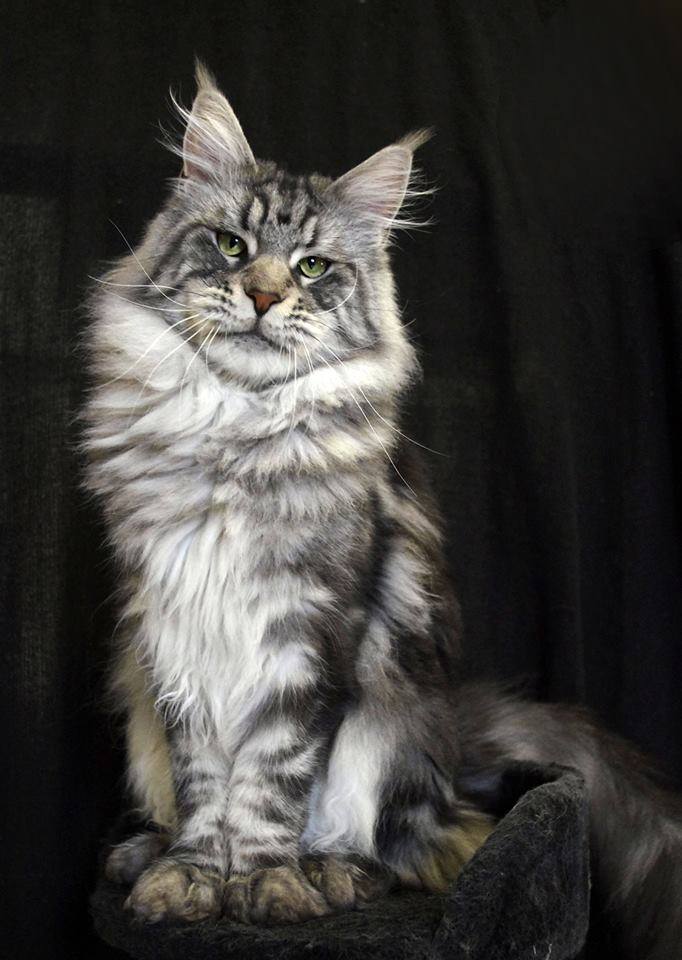
The Maine Coon holds the number one spot with its friendly, intelligent, playful nature and dog-like loyalty, living 12 to 15 years and needing high maintenance through regular grooming. Right behind it comes the Ragdoll, gentle and calm with those striking blue eyes, lasting 12 to 17 years and requiring weekly grooming. The Bengal ranks third for its energetic, athletic curiosity and dog-like personality over 12 to 16 years, calling for medium maintenance with plenty of interactive play. Fourth is the British Shorthair, calm and independent with a dignified ease that fits low to medium upkeep across 12 to 17 years. The Persian follows at fifth, quiet and sweet for lounging, spanning 12 to 17 years but demanding very high daily grooming. Exotic Shorthairs sit at sixth with their calm, observant low-energy vibe, also 12 to 17 years and medium grooming needs. The Siamese brings vocal intelligence and affection for 12 to 20 years with low maintenance. Energetic Sphynx cats rank eighth, attention-seeking and warmth-loving over 10 to 15 years but high maintenance with weekly bathing. Ninth place goes to the sweet, adaptable Scottish Fold needing medium ear care across 11 to 15 years. Rounding out the list is the active, curious Abyssinian, social and intelligent for 12 to 15 years with medium interactive play requirements.
My rescue cats have taught me that these traits often show up in mixed-breed felines too, especially when you choose adoption over pedigree. The CFA, founded in 1906 as North America’s largest registry, bases its rankings on real registration data, and it’s heartening to see Maine Coons hold steady at the top for over a decade thanks to their adaptable temperaments. Ragdolls have climbed fast with their affectionate ways, while Bengals appeal to active homes.
Understanding why these breeds dominate helps prospective owners make informed decisions. Maine Coons’ popularity stems partly from their size—they’re among the largest domestic breeds, with males often weighing 13 to 18 pounds—yet their gentle temperament makes them approachable despite their lion-like appearance. Ragdolls gained traction through social media, where their pointed coloring and tendency to go limp when picked up captured hearts worldwide. Bengals attract those seeking something exotic without extreme legal restrictions, offering that wild leopard aesthetic with domestic companionship. The British Shorthair’s rise reflects a growing appreciation for low-maintenance companions, while Persians remain beloved despite grooming demands, thanks to their plush coats and calm personalities that suit apartment living.
The financial aspect of breed popularity deserves mention. Purebred kittens from reputable breeders typically range from $500 to $3,000 depending on the breed, with some rare varieties commanding even higher prices. Maine Coons and Bengals often sit at the premium end, while British Shorthairs and Scottish Folds occupy the middle range. This cost consideration often leads thoughtful owners toward shelters, where adoption fees of $50 to $200 provide medical care, vaccinations, and behavioral assessment—often capturing the same lovable traits without the price tag.
What every pet owner who’s adopted knows is that indoor living keeps our companions safest from traffic, predators, and disease. Long-haired breeds like Persians, Maine Coons, and Ragdolls thrive indoors where their coats stay groomed, and flat-faced cats like Exotics and Persians avoid outdoor respiratory issues. More athletic types such as Bengals and Abyssinians can enjoy secure “catios” but still do best with primary indoor enrichment.
Environmental enrichment matters significantly for these popular breeds, especially the more active ones. Bengals, Abyssinians, and Siamese cats require climbing structures, puzzle feeders, window perches, and interactive toys to prevent destructive behavior born from boredom. Maine Coons, despite their size, enjoy vertical spaces and can learn to walk on harnesses for outdoor exploration. Even calm breeds like British Shorthairs benefit from window access and occasional play sessions to maintain healthy weight and mental stimulation. Interactive play sessions of 10 to 15 minutes, two to three times daily, keep most cats satisfied and bonded to their humans.
Breeding considerations have evolved significantly in recent years. Responsible breeders now prioritize health testing for conditions common to specific breeds—Maine Coons are screened for hip dysplasia and hypertrophic cardiomyopathy, Persians tested for polycystic kidney disease, and Bengals evaluated for progressive retinal atrophy. This shift toward genetic health screening has improved breed standards and increased lifespans across the board. Prospective buyers should always request health certificates and pedigree documentation when purchasing from breeders, and many breed clubs maintain lists of certified, ethical breeders who follow strict guidelines.
Allergies add another layer, and no breed is ever 100 percent hypoallergenic since the Fel d 1 protein triggers reactions. Still, Sphynx, Devon Rex, Cornish Rex, Siamese, Russian Blues, and sometimes Bengals may produce fewer issues, though spending time together before adoption remains key. The reality is that individual cats within a breed vary in allergen production, so testing compatibility matters more than breed selection alone. Many shelters allow potential adopters to spend time with specific cats before commitment, providing the best real-world assessment.
Social media trends and better breeding for health continue shaping 2025, with Maine Coons and Bengals benefiting from responsible practices. My rescue cats have taught me that viral stars inspire interest, yet the quiet joy of adoption often leads to the deepest connections. Instagram accounts featuring Maine Coons in winter settings or Bengals in action sequences drive breed interest, which can unfortunately lead to irresponsible breeding. Supporting ethical breeders and adoption advocates helps maintain the balance between accessible popularity and sustainable practices.
Personality compatibility deserves careful consideration beyond breed traits. First-time owners should honestly assess their lifestyle—do they want a vocal companion or a quiet observer? Do they have time for daily grooming or prefer minimal maintenance? Are they seeking an active playmate or a lap cat? These questions help guide breed selection more effectively than popularity alone. A high-energy person might thrive with a Bengal or Abyssinian, while a retired individual may prefer a Persian or British Shorthair’s quieter presence.
For first-time owners, British Shorthairs and Exotic Shorthairs offer easygoing independence, while Maine Coons adapt beautifully despite their size. Bengals differ from typical domestics as hybrids needing extra stimulation and care. Maine Coons are never aggressive—they’re famously docile and loyal. Long-haired breeds like Persians demand daily brushing, with Maine Coons and Ragdolls benefiting from several sessions weekly. And while some breeds ease allergies, none eliminate them entirely, so testing compatibility matters most.
The economic impact of cat breed popularity extends to veterinary care and specialized products. Popular breeds drive innovation in cat furniture, grooming tools, and health supplements. The pet industry has responded with breed-specific resources, from grooming products for Maine Coons’ thick coats to cooling mats for Sphynx cats’ temperature sensitivity. This market expansion makes caring for popular breeds more accessible and better-informed than ever before.
In the end, these popular breeds reflect our desire for companionship that fits modern life, yet the most rewarding paths often lead through rescue doors. Prospective adopters do best researching thoroughly, meeting cats in person, and working with shelters or vets to match lifestyles—because every cat, pedigree or not, has the power to enrich our days in ways we never expect.