

Nutritional Needs for Senior Dogs and Cats
“`html
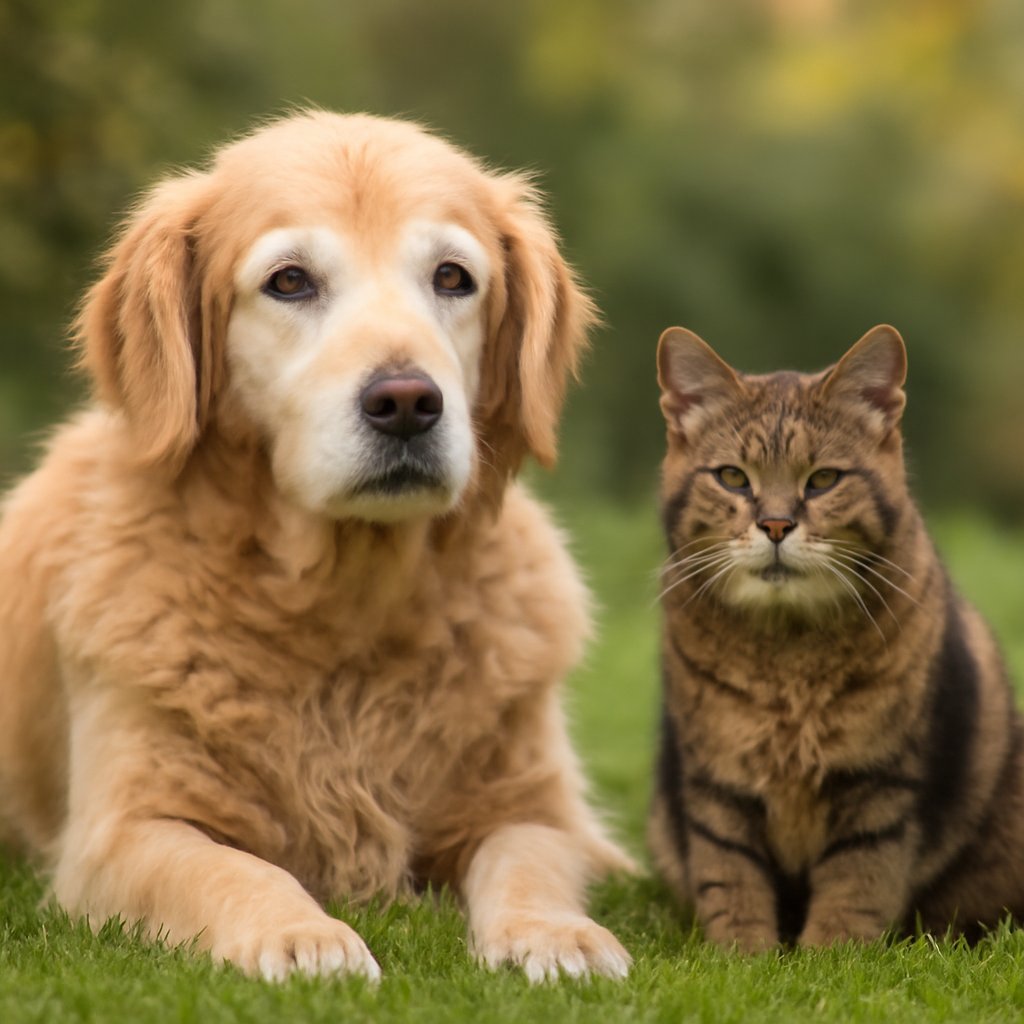
As pets age, their nutritional needs shift in ways that demand proactive adjustments to support joint health, preserve muscle, and address conditions like kidney disease or arthritis. In my years as a vet tech, I’ve seen this situation countless times—senior companions thriving longer simply because owners recognized these metabolic changes early and partnered with their vets on tailored feeding plans.
From a clinical standpoint, what owners miss here is how metabolism slows once dogs and cats hit their senior years, typically around age seven for most breeds. Energy requirements drop by 20 to 30 percent, making excess calories a fast track to obesity that strains joints and organs. Senior dog nutrition therefore calls for lean protein emphasis while keeping fats in check. Senior cat diet formulations, meanwhile, focus on highly digestible proteins since felines stay obligate carnivores regardless of age.
Large breeds such as Labrador Retrievers and German Shepherds often reveal earlier kidney filtration declines and muscle loss. Diets lower in phosphorus with added omega-3 fatty acids from fish oil help safeguard renal function. I’ve also noted how dental problems complicate chewing, leading many owners to switch to softer senior kibble or wet food. Cats over age ten frequently face hyperthyroidism or chronic kidney disease, where higher moisture foods aid urinary health and antioxidants counter oxidative stress. Maintaining proper taurine remains essential to avoid common heart complications in aging felines.
Protein quality rises to the top because older pets shed muscle more readily. Named meat sources should lead the ingredient list instead of by-products. Glucosamine and chondroitin sulfate aid cartilage repair across both species, while L-carnitine supports fat metabolism and energy. Balanced calcium-to-phosphorus ratios protect bones without taxing the kidneys. Vitamin E and beta-carotene neutralize free radicals that speed cellular aging. B-complex vitamins bolster cognitive function, easing signs of canine cognitive dysfunction. Trace minerals like zinc and selenium strengthen immune response, which naturally weakens over time.
Docosahexaenoic acid (DHA) and eicosapentaenoic acid (EPA) from marine sources reduce arthritis inflammation. Many premium senior formulas now include green-lipped mussel extract for extra anti-inflammatory effects backed by clinical studies. Transitioning to these formulas needs to happen gradually over seven to ten days to prevent digestive upset. Splitting daily portions into two or three smaller meals improves absorption and helps avoid bloat in large dogs. Fresh water is non-negotiable, especially for cats on dry diets—I’ve found low-sodium broth a simple way to boost intake.
Regular veterinary check-ups with bloodwork track kidney values so phosphorus can be adjusted as needed. Body condition scoring every two weeks lets owners tweak calories before weight creeps up. Treats should stay under 10 percent of total daily calories. Small breeds like Chihuahuas may need higher calorie density due to faster metabolism, while giant breeds do better with controlled growth formulas carried into adulthood. Persian cats often benefit from dental-friendly textures, and active types such as Border Collies can handle slightly higher fat if mobility stays strong.
Approximately 40 percent of dogs and cats over age seven are classified as overweight, increasing risks of diabetes and joint degeneration. High-quality senior diets with 28-32 percent protein help preserve lean muscle mass better than standard adult formulas. Adding 100 mg of EPA/DHA per kilogram of body weight daily can reduce arthritis pain scores by up to 30 percent in clinical trials. Kidney disease affects one in three cats over age 15, making controlled phosphorus levels critical in senior cat diet planning. Antioxidant-enriched foods improve cognitive scores in senior dogs by 20-25 percent within three months of consistent feeding. Regular dental care combined with appropriate nutrition reduces periodontal disease incidence by nearly 50 percent in aging pets.
Understanding the distinction between senior and geriatric pets helps owners time dietary interventions correctly. Dogs typically enter their senior phase around seven years, though giant breeds may show age-related changes as early as five or six years old. Cats, conversely, often remain vigorous until age ten or beyond, with geriatric classification usually beginning around fifteen. This timeline matters because starting senior nutrition too early can restrict necessary calories for active older pets, while delaying the switch leaves aging companions vulnerable to preventable decline. Your veterinarian can assess individual aging patterns through physical examination and bloodwork, helping determine the optimal transition timing for your specific pet.
Digestive efficiency naturally declines with age, making nutrient bioavailability a critical consideration that many standard adult foods overlook. Senior formulations typically include prebiotics and probiotics to maintain healthy gut bacteria and improve nutrient absorption. Digestive enzymes in some premium senior foods further aid the breakdown of protein and fat, reducing the workload on aging pancreatic and hepatic systems. Fiber content also requires careful balance—too little contributes to constipation common in less active seniors, while excessive fiber can interfere with protein absorption when older pets most need muscle-sparing nutrition. Owners often report visible improvements in coat quality, energy levels, and stool consistency within weeks of switching to formulas optimized for senior digestive function.
The relationship between hydration and senior nutrition cannot be overstated, particularly in cats. Chronic dehydration accelerates kidney disease progression and can mask underlying urinary issues. Wet or softened diets naturally increase moisture intake compared to kibble alone, which explains why many veterinarians recommend mixing wet and dry food for senior cats. Some owners invest in cat water fountains, which appeal to felines’ instinctive preference for flowing water. Adding warm water to dry kibble creates a gravy effect that senior dogs often find palatable while boosting hydration. Monitoring urine color—pale yellow indicates adequate hydration, while dark amber suggests insufficient water intake—gives owners a simple daily assessment tool.
Supplement considerations require nuance in senior pet nutrition. While joint supplements like glucosamine show mixed research support, many pets demonstrate clinical improvement in mobility and comfort. Conversely, indiscriminate supplementation can create imbalances, particularly with minerals like calcium and phosphorus where excessive intake damages aging kidneys. Quality matters tremendously; pharmaceutical-grade supplements undergo third-party testing that over-the-counter options often skip. Working with your veterinarian to select evidence-based supplements rather than relying on marketing claims ensures your senior pet receives genuine nutritional support without unnecessary products or harmful interactions with medications.
Environmental and behavioral factors significantly influence senior pet nutrition outcomes. Reduced activity levels require corresponding calorie adjustments to prevent creeping weight gain, yet maintaining appropriate exercise protects muscle mass and joint function better than complete rest. Some senior dogs benefit from shorter, more frequent walks rather than one long outing. Cats need engaging play adapted to their reduced jumping ability—low ground-level toys often spark enthusiasm even in elderly felines. The stress of environmental changes can suppress appetite in aging pets, so maintaining consistent feeding schedules, locations, and food temperatures helps ensure adequate intake during life transitions.
Temperature sensitivity in senior pets sometimes goes unrecognized but impacts nutrition significantly. Older animals regulate body temperature less effectively, so serving wet food at room temperature rather than refrigerated helps some seniors eat more readily. Conversely, lightly warming canned or fresh food releases aromatic compounds that stimulate appetite in pets with declining smell—a particular advantage for seniors with upper respiratory congestion or olfactory decline. Conversely, overheating food destroys beneficial nutrients and heat-sensitive vitamins, so gentle warming rather than microwave heating preserves nutritional value.
Meeting these needs comes down to selecting reduced-calorie, high-protein formulas enriched with joint-supporting nutrients and condition-specific tweaks. By working closely with veterinarians and tracking individual responses, owners deliver nutrition that sustains vitality and comfort well into later years. Consistent monitoring paired with gradual changes forms the real foundation of successful senior pet care. Your willingness to observe subtle shifts in appetite, energy, and physical condition—and communicate these observations to your veterinary team—transforms nutrition from a static feeding routine into a dynamic partnership supporting your aging companion’s best possible quality of life.
Sources
- American Kennel Club – Senior Dog Nutrition Guidance
- Common Health Issues Affecting Senior Dogs Today
- 24 Hour Stomach Bug in Dogs: What Every Pet Owner Should Know
- Understanding the Behavior of Bengal Cats
- Preventive Care Tips for Keeping Cats Healthy
- Facts About the Playful Personality of Bengal Cats
- Common Nutritional Deficiencies in Homemade Pet Diets