
Exploring Unique Traits of Sphynx Cats
“`html
There’s something undeniably magnetic about Sphynx cats—the way their suede-soft skin and big, expressive eyes pull you in from the first hello. As a lifelong rescue advocate with three cats who’ve all found their way to me through shelters, I can’t help but see echoes of that same deep emotional bond in every breed story, even one as distinctive as this hairless wonder. Whether a Sphynx joins your home through a thoughtful breeder or arrives via rescue (yes, it happens more than you’d think), these cats remind us that love often shows up in the most unexpected packages.
The Sphynx breed began in Canada back in the 1960s when a natural genetic mutation gave us the first hairless kitten. Careful breeding followed to keep the line healthy while celebrating that signature lack of fur. What every pet owner who’s adopted knows is that preserving rare traits always comes back to prioritizing wellness above all else.
Early Sphynx faced real survival hurdles because of their exposed skin, which pushed breeders toward stronger immune systems and better overall foundations. Today, responsible programs test for breed-specific concerns right from the start, giving every kitten the best possible beginning.
From those North American roots, the Sphynx traveled to Europe and then worldwide, winning over people who crave an interactive companion. Their growing popularity lines up with more folks learning the specialized routines that keep hairless cats thriving.
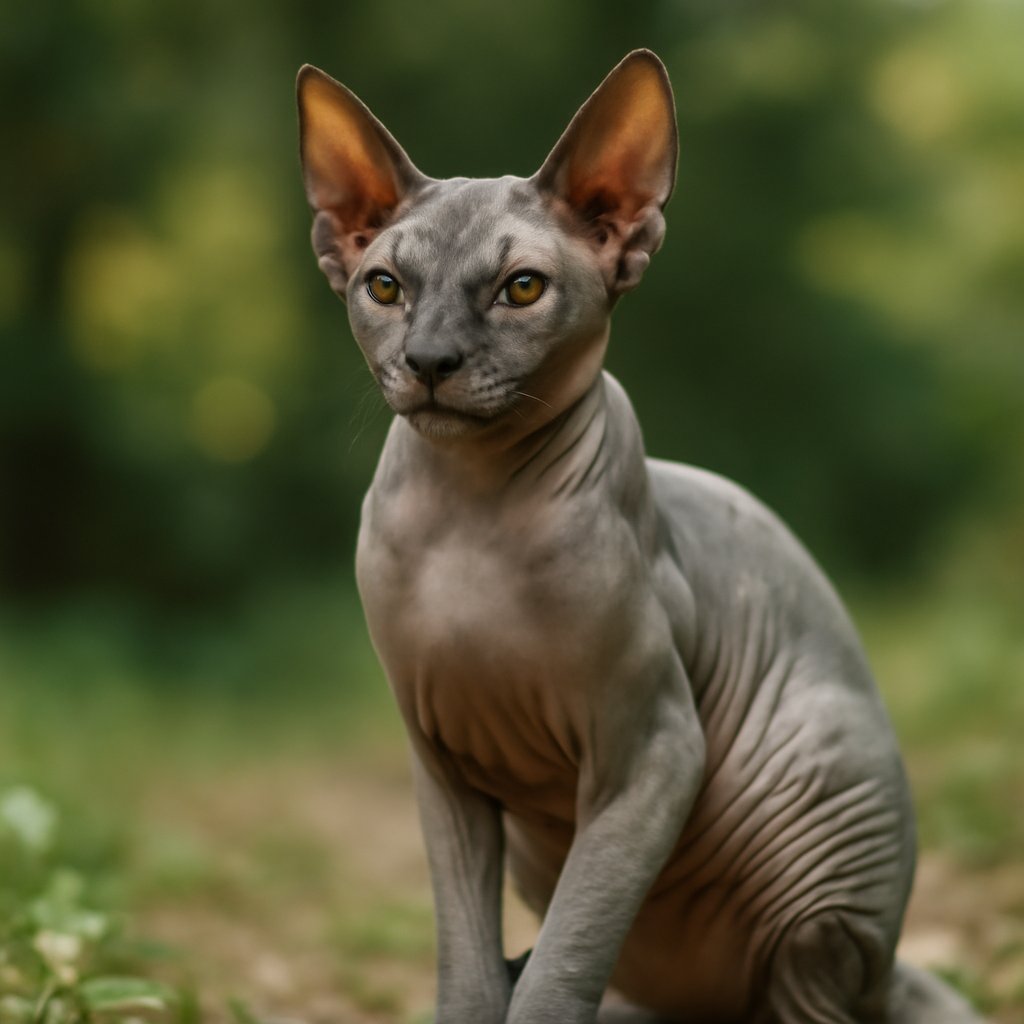
Physically, Sphynx cats show off a sturdy, muscular frame wrapped in that soft, suede-like skin. Large ears, defined cheekbones, and a wrinkled forehead give them faces that seem to broadcast every feeling. My rescue cats have taught me that these expressive features create an instant connection—you always know exactly how they’re feeling.
The skin of a Sphynx cat isn’t completely bare—it’s covered in a fine layer of downy fuzz that gives it that distinctive velvety texture people find so appealing. This unique covering means the skin itself is more sensitive to environmental factors than in furred cats. Direct sunlight can cause sunburns, and cold temperatures penetrate quickly without the insulating barrier of a full coat. Understanding these vulnerabilities helps owners make informed decisions about their cat’s living environment and seasonal care needs.
Without fur to soak up natural oils, regular baths with gentle, pet-safe shampoos become part of the rhythm. Weekly ear wipes and sensitive-skin moisturizers help prevent acne or irritation, supporting the long, healthy life every animal deserves.
Because they lose heat quickly, warm spots with soft blankets or heated beds make all the difference. Plenty of owners slip lightweight sweaters on their cats when the weather turns, turning practical care into another sweet way to show love.
Many Sphynx owners find that their cats enjoy the bathing process more than traditional furred cats do. The sensation of warm water and the attention from their owners often becomes a bonding ritual rather than a stressful ordeal. Starting young with positive associations—using treats, gentle handling, and lukewarm water—helps kittens develop comfort with regular baths. Some owners have even reported their Sphynx cats actively seeking out bathtime, which speaks to how these cats thrive on interactive care and one-on-one attention.
The ears of a Sphynx deserve special mention because they’re not just adorable—they’re functional communication tools and surprisingly delicate structures. Those large, bat-like ears help them regulate body temperature through increased surface area for heat dissipation. However, they also accumulate wax and debris more readily than smaller ears, making weekly cleaning essential. Owners should use vet-approved ear cleaning solutions and soft cotton pads, gently wiping the visible portions of the ear canal. Regular checks help catch ear infections early, which can develop quickly in this breed.
Far from the independent stereotype, Sphynx cats live for connection. They trail their people from room to room, always ready for cuddles or play. That outgoing nature makes them naturals for training and shared adventures, much like the rescue cats who’ve shown me that loyalty often comes wrapped in unexpected forms.
Daily play with interactive toys builds trust and burns energy at the same time. These cats respond beautifully to positive reinforcement, picking up tricks like fetching or even leash walks when you move at their pace.
Their sharp minds can spark a bit of mischief without enough stimulation, so puzzle feeders and sturdy climbers help keep things balanced. Early, gentle introductions to other pets set everyone up for peaceful multi-cat living—the kind of harmony that makes a rescue-filled home feel complete.
One aspect of Sphynx personality that surprises many new owners is their vocal nature. These cats aren’t shy about expressing their opinions through chirps, trills, and meows. They’ll announce meal times, demand playtime, and comment on household activities throughout the day. This chattiness actually strengthens the human-cat bond for many owners who enjoy the constant communication. However, those seeking a quiet, reserved pet should understand that Sphynx cats often want to be part of every conversation happening in their home.
The intelligence of Sphynx cats rivals that of many dog breeds, which means they need mental stimulation to stay happy and well-behaved. Interactive games like hide-and-seek with treats, laser pointers, and feather toys engage their hunting instincts. Some Sphynx owners teach their cats to play fetch, walk on harnesses, or even perform tricks for treats. Window perches that offer bird-watching opportunities provide hours of entertainment without requiring direct owner participation. Rotating toys every few weeks keeps the environment fresh and prevents boredom from setting in.
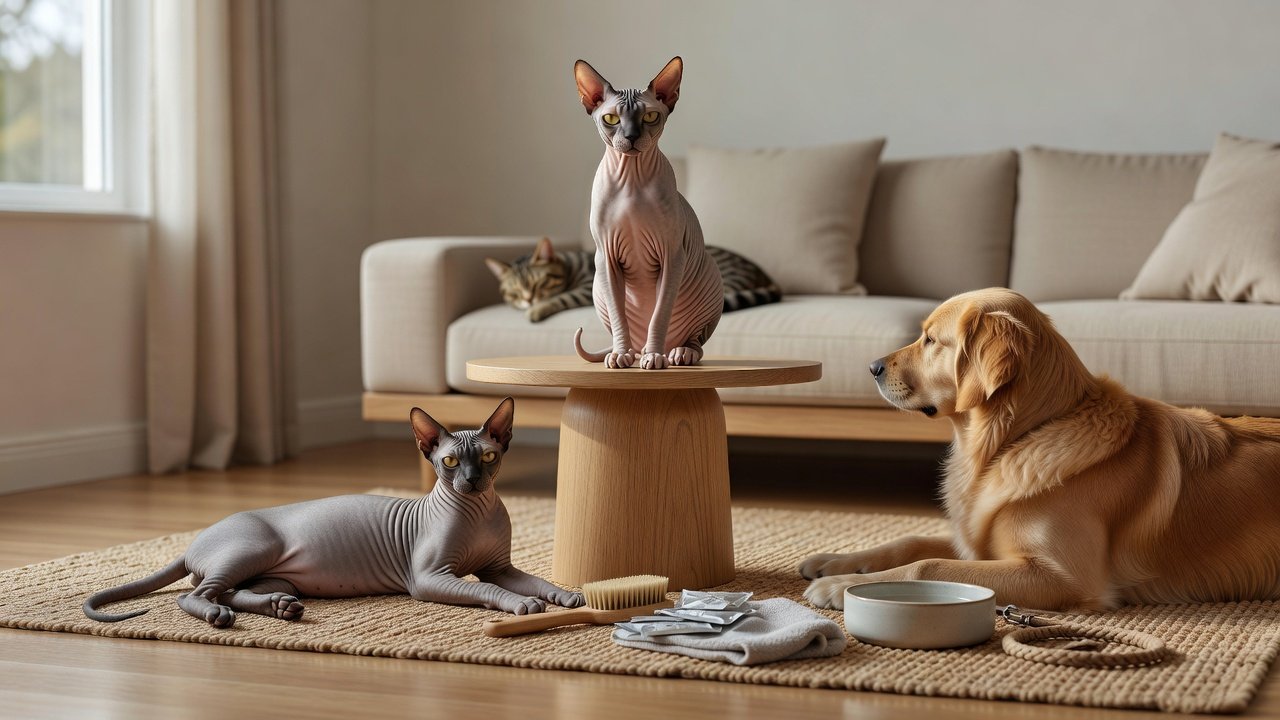
A few key details worth knowing: Sphynx cats usually weigh 6 to 12 pounds and enjoy 8 to 14 years with attentive care. Baths every one to two weeks manage skin oils well. Their faster metabolism calls for calorie-rich meals to help maintain warmth. They’re at higher risk for hypertrophic cardiomyopathy, so yearly vet visits matter. Over 90 percent of owners describe them as incredibly affectionate and almost dog-like in devotion. They handle most climates but do best indoors to avoid sunburn. With proper early socializing, they often get along wonderfully with dogs. Ethical breeding includes genetic testing to lower inherited risks.
Beyond the well-documented hypertrophic cardiomyopathy, responsible ownership means staying aware of other breed-specific considerations. Some Sphynx cats experience sebaceous gland hyperplasia, which appears as small bumps on the skin but is generally cosmetic. Hereditary myopathy affects muscle function in some lines, which is why genetic testing through organizations like The International Cat Care and breed registries is so valuable. Working with veterinarians experienced in the breed helps catch issues early and ensures appropriate preventive care strategies.
Nutrition plays a vital role in keeping Sphynx cats healthy and warm. These cats have metabolic rates higher than average felines, which means they need quality, protein-rich diets to maintain their body temperature and energy levels. Some owners find that feeding small portions multiple times throughout the day works better than one or two larger meals. High-quality commercial cat foods formulated for active cats, or vet-approved raw diets prepared carefully, provide the nutritional foundation these athletes need. Always consult with a veterinarian before making major dietary changes.
The social needs of Sphynx cats extend beyond just one or two interactions per day. These cats genuinely prefer having their people around and often experience separation anxiety if left alone for extended periods. They’re excellent companions for families, work-from-home professionals, and retirees who can provide consistent interaction. For those with demanding schedules, adopting a pair of Sphynx cats ensures they have companionship even when their humans are away.
At the heart of it, Sphynx cats offer a striking mix of looks and devotion that rewards the extra attention they need. Focusing on grooming, nutrition, and daily enrichment lets them shine, whether they came to you through rescue or another path. In the end, these cats give back endless affection, proving once again that the strongest bonds form when we meet an animal exactly where they are.