
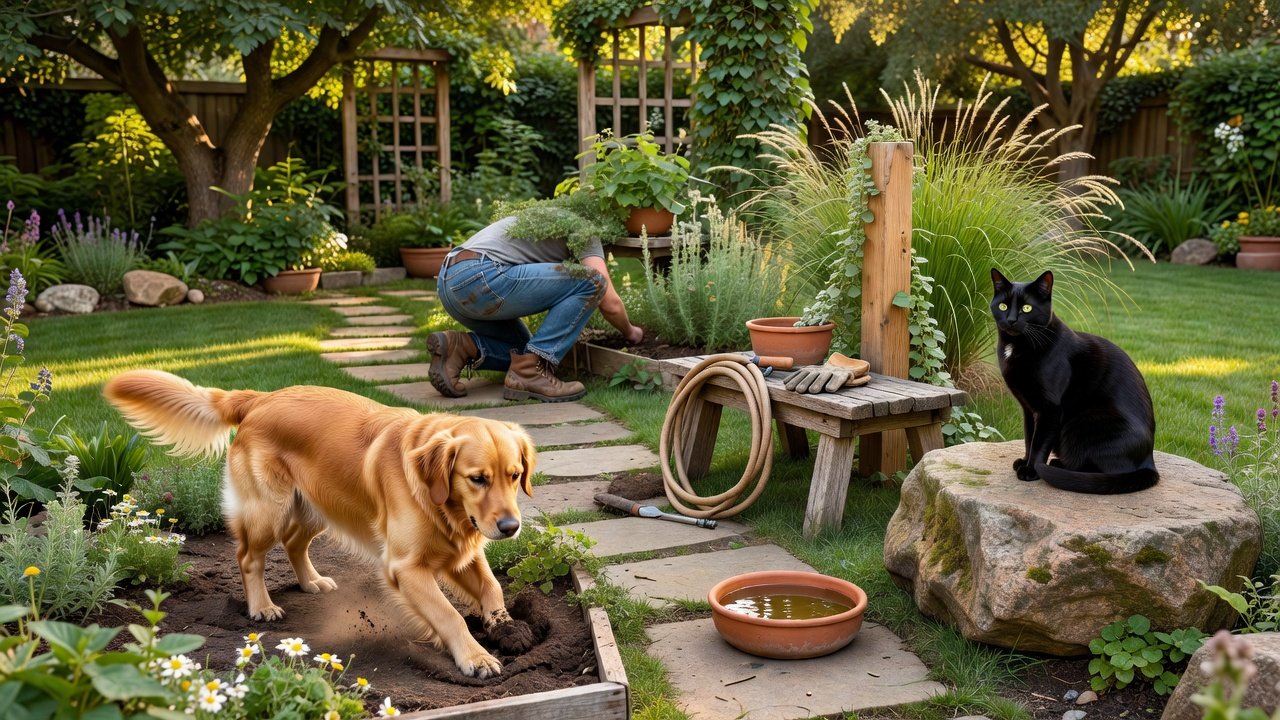
How to Create a Pet Friendly Garden
“`html

Creating a pet-friendly garden means more than just tossing out some grass seed and hoping for the best. From a clinical standpoint, what owners miss here is how thoughtful layout and plant selection directly influence everything from gastrointestinal health to behavioral stability in both dogs and cats. Whether you’re working with high-drive Labradors or more solitary Maine Coons, the goal is to create zones that allow safe movement, mental engagement, and reduced risk of the emergency visits I handle far too often.
Start by mapping your yard’s sunlight patterns, drainage, and existing structures. In my years as a vet tech, I’ve seen this situation countless times where owners skip this step and end up with escape routes or hidden hazards that lead to fractures or toxic ingestions. Install fencing at least six feet tall and consider buried barriers for persistent diggers. Designate specific areas for digging, lounging, and elimination to reinforce training from day one.
Safety assessments come next. Check for drop-offs, sharp implements, and nearby traffic. Secure compost areas to stop scavenging, and eliminate open water features that pose drowning risks for cats. From a training methodology perspective, embedding designated potty spots early helps establish reliable habits and cuts down on indoor accidents.
Breed-specific needs matter clinically. Border Collies and other working breeds gain from low-impact agility elements like tunnels, while brachycephalic dogs require extra shade and cooling stations to prevent heat stress. Active cats such as Siamese benefit from vertical climbing structures integrated into borders, which support natural hunting sequences without the muscle strain that comes from inadequate enrichment.
Plant choices must prioritize non-toxicity. Lavender, rosemary, and sunflowers add sensory value without the hepatic or renal damage seen with lilies, azaleas, or sago palms. Skip cocoa mulch due to its theobromine content. In practice, switching to cedar chips and pet-safe hardscaping like gravel paths has reduced the joint aggravation I see in senior dogs and kept curious cats from flattening garden beds. Raised beds and constant fresh water stations further support hydration during outdoor training sessions.
Enrichment through landscaping strengthens both physical and neurological health. Wind chimes and textured grasses provide low-intensity sensory input. Catnip patches in protected spots and puzzle toys hidden among foliage encourage natural foraging, which correlates with lower stress markers in the cats I work with.
Exercise and training features should include durable toys, shaded recovery areas, shallow wading pools for water breeds, and natural-log scratching posts. Use the space for positive-reinforcement drills on cues like “leave it,” which builds impulse control and decreases destructive digging by measurable margins in high-energy breeds.
When designing your garden layout, consider creating distinct functional zones rather than treating the entire space as one homogeneous area. A designated play zone with open grass or cleared ground allows dogs to run safely without encountering obstacles. A separate relaxation zone with shade structures and cushions provides retreat spaces where pets can cool down and observe their surroundings without the pressure to be constantly active. A third elimination zone, consistently maintained and reinforced through training, streamlines housebreaking and makes yard maintenance more manageable. This zoning approach also helps manage territorial behaviors in multi-pet households by giving each animal defined personal space.
Water access deserves special attention in warm climates or during exercise periods. Beyond just having fresh drinking water available, consider the quality and placement of water stations. Pets will naturally gravitate toward shaded areas on hot days, so positioning water bowls near your garden’s shadiest spots encourages regular hydration. Some owners install small fountains or recirculating water features that appeal to cats’ preference for running water while maintaining freshness. However, ensure any standing water features—ponds, bird baths, or decorative pools—are either drained seasonally or protected with secure fencing to prevent drowning incidents, particularly among young or elderly cats.
Toxic plant awareness extends beyond commonly known offenders. While lilies, sago palms, and azaleas top veterinary poison control lists, many ornamental plants present hidden risks. Foxgloves, daffodils, tulips, rhododendrons, and oleander all cause serious toxicity in dogs and cats. Even plants considered “safe” for humans can trigger gastrointestinal upset in pets when ingested in quantity. The safest approach involves consulting your veterinarian or the ASPCA Animal Poison Control Center with a complete list of existing plants before adding new vegetation. When in doubt, opt for documented pet-safe alternatives like spider plants, Boston ferns, African violets, or grass-like ornamentals that satisfy visual appeal without the toxicity risk.
Mulch selection impacts both safety and comfort. While decorative mulches enhance aesthetics, many contain problematic substances. Cocoa-based mulches contain theobromine, chemically similar to chocolate toxicity. Treated wood mulches may leach preservatives into soil and water. Preferred alternatives include cedar or pine chips, though even these should be monitored for ingestion in compulsive eaters. Hardscape options like gravel pathways, stepping stones, or recycled rubber mulch provide pet-safe alternatives that also reduce muddy paws and improve drainage, addressing common joint problems in senior dogs.
Fencing deserves deeper consideration than simply choosing height and material. Six feet prevents most dogs from jumping over, but determined escape artists may require eight-foot fencing or angled extensions that curve inward. For diggers, bury fencing twelve to eighteen inches underground or create an L-shaped barrier that extends outward beneath soil level. Regular fence inspections catch deterioration, gaps, and maintenance issues before they become escape routes. Gate security prevents accidental releases during deliveries or visitor arrivals—a leading cause of lost pets. Consider lockable latches and internal hinges to eliminate gaps that smaller pets might squeeze through.
Seasonal considerations protect pets year-round. Winter gardens present risks from antifreeze pooling in driveways or under vehicles—a single teaspoon can prove fatal to cats. Spring brings lawn care chemicals; establish pet-free periods after fertilizer, pesticide, or herbicide application. Summer heat intensifies the need for shade and water; check temperatures of hardscaping surfaces like pavers or decks that can burn sensitive paw pads. Fall leaf accumulation harbors mold spores that trigger respiratory issues; regular raking maintains air quality and eliminates hiding spots for rodents that tempt hunting instincts.
Training integration transforms your garden into a living classroom. Designated potty spots establish reliable elimination habits, supported by consistent reinforcement and immediate praise. Teaching “leave it” around garden beds prevents destructive digging and protects plants. Agility elements—not just for Border Collies but adapted for any breed—provide mental engagement and physical conditioning. Low tunnels, ground poles, or simple weaving patterns between fence posts challenge dogs cognitively while building coordination and confidence. Cats benefit from climbing routes integrated into garden design: tall cat trees, wall-mounted shelves, or strategically placed rocks create three-dimensional play spaces that enrich their natural behaviors.
Ongoing maintenance prevents secondary issues. Pet-safe fertilizers and seasonal allergy monitoring keep dermatologic and respiratory problems in check. Year-round shelter options protect against weather extremes while preserving access to fresh air.
Key data points remain consistent: over 60 percent of owners note measurable health improvements after tailoring outdoor spaces; toxic plants account for more than 10,000 annual emergency visits in dogs alone; Golden Retrievers need at least 60 minutes of daily activity for weight and joint maintenance; safe outdoor access lowers stress behaviors in cats by roughly 40 percent; proper garden training reduces digging incidents by up to 75 percent in energetic dogs; and non-toxic planting choices cut poisoning risk by 85 percent per ASPCA tracking.
By applying these evidence-based adjustments—safe plants, strategic zoning, and integrated training—you establish an outdoor environment that supports long-term welfare rather than creating new clinical problems. Begin with one or two targeted changes, track responses, and scale accordingly.