
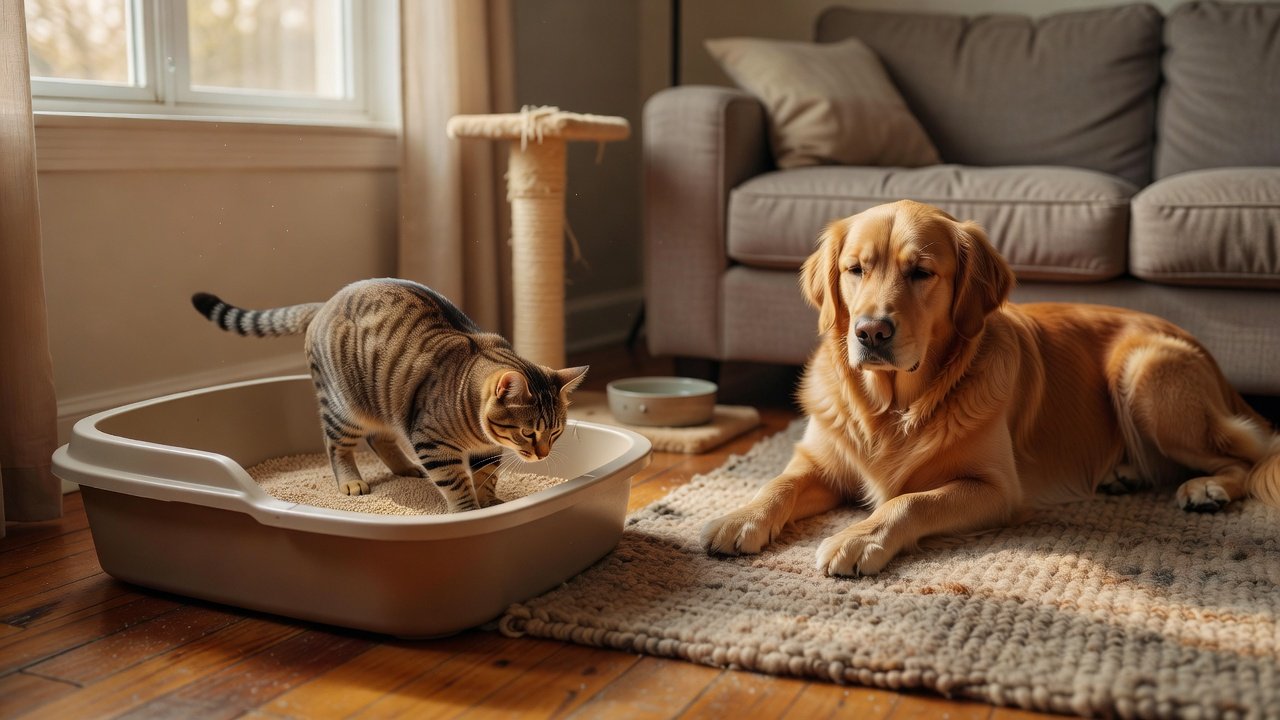
Tips for Litter Training Rescue Cats Effectively
“`html

When bringing a rescue cat home, litter training calls for patience, understanding, and strategies shaped by their past. Unlike kittens raised in calm homes, many rescues carry memories of inconsistent habits, fear, or health worries that can make the process feel overwhelming at first. What every pet owner who’s adopted knows is that focusing on these tailored tips helps create a safe space where these cats can finally thrive and accidents become a thing of the past.
My rescue cats have taught me that their histories often include time in shelters, hoarding situations, or worse, where litter boxes weren’t always available or were even met with punishment. That kind of background can spark aversion or stress-driven accidents, so spotting those triggers early makes all the difference before any real training starts.
Watching for signs of anxiety—like hiding, flattened ears, or steering clear of the litter area—has become second nature around here. Many rescues link boxes with bad experiences, so gentle, gradual introductions work far better than pushing too fast. A quick vet visit rules out issues like infections that might be behind the behavior, letting us tackle the real roots instead of guessing.
Building trust comes first in my experience. Quiet time nearby, without demanding cuddles, plus a few treats and soft words, shows them they’re safe. Rushing only sets everyone back, so I always give at least a week or two for settling in before diving deeper.
Setting up the litter area thoughtfully lays the groundwork for success. Multiple boxes in calm, easy-to-reach spots cut down on stress and any turf battles. Uncovered boxes tend to feel safer for cats who worry about getting cornered. The placement strategy matters just as much as the boxes themselves—positioning them away from high-traffic areas, loud appliances, and escape routes that might make a cat feel trapped creates an environment where they’ll actually want to use them.
Choosing the right litter matters too—unscented clumping clay or natural options like pine or corn suit sensitive noses best. If you know what they used before, start there. One box per cat plus an extra, kept well away from food and water, respects their instincts. Scooping twice a day and refreshing fully each week keeps odors from turning them off, and a light herbal attractant can spark curiosity without overwhelming anyone.
It’s worth noting that litter box aversion in rescue cats often stems from sensory sensitivity. Many rescues have spent time in environments where cleanliness wasn’t prioritized, so they may have developed heightened reactions to odor and texture. Experimenting with different litter types—from fine clay to larger pellets, or paper-based alternatives—can help identify what your cat prefers. Some rescues even benefit from a transition period where you gradually mix their preferred litter with the new type, reducing the shock of change.
Positive reinforcement has been my go-to every time. Never scold accidents; that only heightens fear. Instead, celebrate the wins right away with treats or play. Confining them to a small, quiet room with the box at the start helps, along with gentle placement after meals or naps. Enzymatic cleaners wipe away any lingering scents that might invite repeats. The timing of this confinement is crucial—typically three to five days allows the cat to become familiar with the box location while still being contained enough that you catch successes when they happen.
One strategy that often goes overlooked is the concept of “litter box stations.” Rather than one central location, some rescue cats thrive with boxes distributed throughout the home, especially in multi-level houses. This reduces the distance they need to travel and cuts down on territorial disputes. A good rule of thumb is placing boxes on each floor of your home, in different corners, so your rescue always has convenient options.
Tracking what works in a simple journal—times, spots, stressors—lets you adjust as needed. If they favor a certain texture, easing a bit of it into the box can bridge the gap. Some rescues take months to settle fully, and that’s okay. Documenting patterns helps you identify whether accidents happen at specific times (like when you’re away from home), in particular locations, or after specific triggers like loud noises or schedule changes. This information becomes invaluable when working with veterinarians or behaviorists.
Understanding stress responses is essential when working with rescue cats. Many elimination issues aren’t actually about the litter box itself but rather anxiety related to the environment. Changes like new furniture, houseguests, or even a different routine can trigger accidents. Creating a consistent daily schedule—feeding times, playtime, and quiet time—provides structure that helps anxious rescues feel more secure and in control.
For tougher cases, a feline behaviorist offers guidance, and pheromone diffusers often ease anxiety enough to make progress possible. Consistent routines paired with these tools bring the steadiest results. Products containing feline facial pheromones (like Feliway) mimic the natural calming signals cats produce, helping reduce stress-related behaviors without medication. These can be particularly effective during the critical first few weeks when your rescue is adjusting to their new home.
Medical considerations shouldn’t be overlooked either. Beyond initial vet visits, recurring elimination issues sometimes point to urinary tract infections, diabetes, hyperthyroidism, or kidney disease—all common in rescue cats of unknown health history. Regular check-ups and prompt attention to any changes in litter box habits ensure you’re addressing actual medical issues rather than attributing everything to behavioral causes.
Here are a few key facts that put the journey in perspective:
– Approximately 70% of shelter cats experience some form of litter box regression upon adoption due to environmental changes.
– Rescue cats are 3 times more likely to develop elimination issues linked to stress than cats from stable homes.
– Using unscented litter increases successful litter training rates by up to 40% in sensitive rescue populations.
– Multi-cat households see a 50% reduction in accidents when the number of litter boxes exceeds the number of cats by at least one.
– Enzymatic cleaners eliminate 99% of odor-causing bacteria that attract repeat marking behavior.
– It can take between 3 to 6 months for some rescue cats to fully acclimate and consistently use litter boxes without incidents.
– Cats have scent glands in their paws, so when they scratch litter, they’re marking it as their territory—encouraging them to use boxes by placing them in safe zones reinforces this natural behavior.
The emotional aspect of this journey shouldn’t be underestimated. Rescue cats often seem to understand they’ve been given a second chance, and witnessing their gradual confidence grow as they master litter training is incredibly rewarding. Celebrate small victories—the first time they use the box independently, the day you realize it’s been a week without accidents, the moment they seem fully relaxed in their new home. These milestones matter just as much as the big ones.
In the end, guiding a rescue cat through litter training strengthens that beautiful human-animal bond we all cherish. Understanding their past, creating a welcoming setup, and staying steady with kind methods gives them the fresh start they deserve—and the whole household feels the warmth of that connection for years to come. Your patience during this process isn’t just about establishing good bathroom habits; it’s about showing your rescue that they’re worth the time, effort, and unconditional love.
Sources
“`