
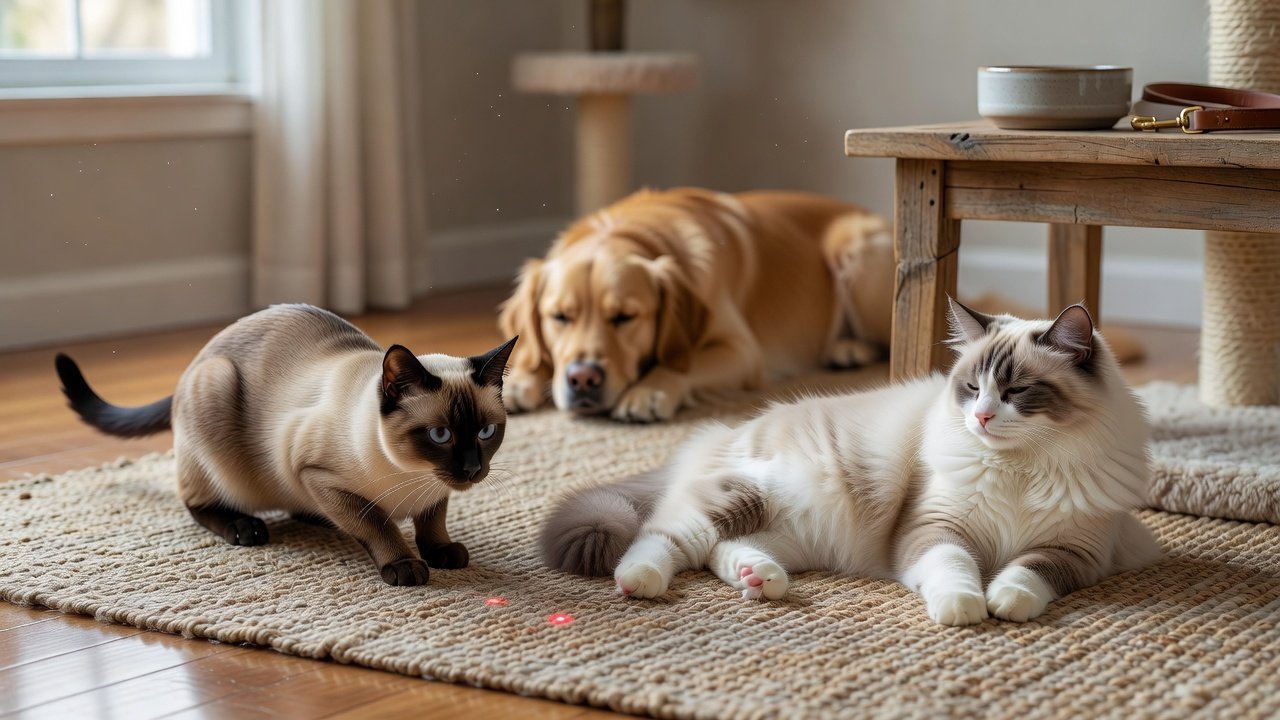
Comparing Siamese and Ragdoll Cat Personalities
“`html
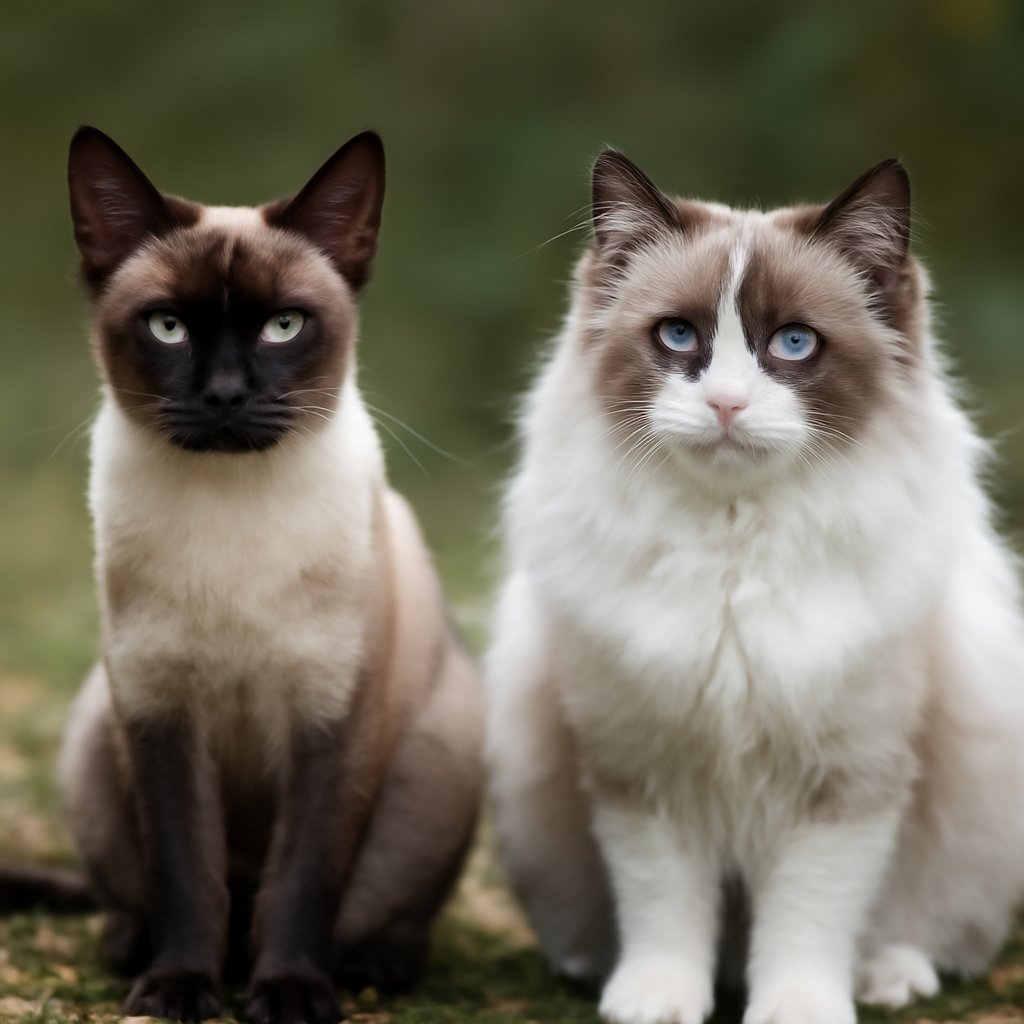
Comparing Siamese and Ragdoll cat personalities highlights two breeds that, while both affectionate, cater to very different household dynamics. Siamese cats stand out for their intense blue eyes and constant vocalizing, whereas Ragdolls win owners over with their relaxed, almost floppy response to handling and their thick, soft coats. Matching either breed to a home starts with understanding these core traits so the cat’s needs align with what the household can realistically provide.
From a clinical standpoint, what owners miss here is how Siamese intelligence translates into real behavioral demands. These cats are highly extroverted and form tight attachments, often shadowing their people room to room while delivering those signature loud meows. In my years as a vet tech, I’ve seen this situation countless times where an under-stimulated Siamese begins opening cabinets or dismantling puzzle feeders out of sheer boredom. Their problem-solving drive responds well to structured enrichment, much like the positive-reinforcement protocols we use in training sessions. They can become dog-like in loyalty, yet that same trait means prolonged isolation often triggers excessive vocalization or stress shedding. Active homes that incorporate daily interactive play and short training drills tend to keep these issues in check; otherwise, respiratory sensitivities common in the breed can flare under chronic stress, which is why routine veterinary monitoring belongs in every care plan.
Ragdoll personalities, by contrast, lean toward calm, trusting affection that earns them the nickname “puppy cats.” They go limp when lifted, seek laps, and tolerate children and other pets with minimal drama when introductions follow slow, stepwise desensitization. From a training methodology angle, their eager-to-please nature makes basic harness work or simple commands straightforward with food rewards and gentle repetition. In my years as a vet tech, I’ve seen this situation countless times where a Ragdoll’s moderate activity level and preference for soft surfaces help prevent obesity-related joint strain, provided owners maintain consistent weight checks and grooming routines that double as bonding time. They communicate more through purrs and head bumps than constant meowing, and their lower energy suits apartment living, though daily low-intensity play still supports metabolic health.
Side-by-side, the behavioral contrast is clear. Siamese cats require more vertical climbing structures and mental challenges to avoid mischief, while Ragdolls thrive on soft lounging spots and physical closeness. Both benefit from early socialization, but Siamese may show transient jealousy toward newcomers that needs careful management through separate feeding stations and gradual scent swapping. Health profiles differ too: Siamese often need proactive dental scaling to address breed predispositions, whereas larger Ragdolls warrant monitoring for weight gain and mobility changes as they age. Environmental tweaks like window perches for the former and orthopedic bedding for the latter keep both breeds comfortable.
The vocalization patterns between these breeds deserve deeper exploration. Siamese cats possess a wider vocal range than most feline breeds, capable of producing everything from chirps and trills to loud, demanding yowls. This trait stems from their breeding history in Thailand, where they were prized as palace cats and developed strong communicative bonds with humans. Owners should expect their Siamese to “talk back” during conversations, often initiating dialogue rather than simply responding. This can be charming in moderation but becomes problematic in noise-sensitive environments like apartments with thin walls or homes with shift-workers needing daytime sleep. Ragdolls, while certainly capable of vocalizing, tend toward softer chirps and gentle mews. Many Ragdoll owners report their cats seem to understand household routines and adjust communication accordingly, rarely demanding attention at inappropriate hours. The difference in vocal intensity can significantly impact household harmony, particularly for those sensitive to ongoing noise stimulation.
Siamese cats also display markedly different play preferences compared to Ragdolls. Siamese thrive on interactive games that simulate hunting—feather wands, laser pointers, and small toy mice activate their prey drive intensely. A 15-20 minute play session with a Siamese should occur at least twice daily to maintain psychological well-being. These cats benefit from puzzle feeders that distribute meals slowly, as the problem-solving element engages their minds during eating. Ragdolls, while playful, often prefer gentler games like rolling balls across the floor or batting at toys near their favorite lounging spot. They’re less likely to engage in sustained high-energy chase games and may tire quickly, preferring instead to return to lap time. Understanding these preferences allows potential owners to assess whether their lifestyle supports the demands of either breed.
When it comes to training and behavioral management, both breeds respond well to positive reinforcement, but the underlying motivation differs. Siamese cats can learn to walk on harnesses, use toilet training systems, and perform tricks because they’re driven by both food rewards and the desire for human interaction. The process itself becomes enrichment for their intelligent minds. Ragdolls can learn similar tasks, but their motivation centers more on pleasing their owners and earning cuddle time than on the intellectual stimulation of complex training. This doesn’t make them less intelligent—rather, their intelligence manifests in reading human emotions and responding appropriately, predicting when their person needs comfort, and adapting to household changes with minimal stress.
Physical characteristics also influence daily care requirements. Siamese cats have sleek, short coats requiring minimal grooming—typically a weekly brush suffices. However, their slender frames and high metabolism mean they need nutrient-dense food and consistent feeding schedules to maintain ideal weight. Ragdolls possess semi-long, silky coats that mat easily without regular attention, necessitating several grooming sessions weekly. This grooming commitment can be frustrating for busy owners but represents valuable bonding time if approached positively. The grooming process also allows early detection of skin issues, parasites, or lumps that might otherwise go unnoticed given the Ragdoll’s docile nature—they won’t vocalize discomfort the way a more vocal Siamese might.
Age-related considerations differ between the breeds as well. Young Siamese kittens require extensive socialization and consistent boundaries, as their intelligence allows them to test limits quickly. Without proper guidance, they may develop destructive or aggressive play behaviors. Ragdoll kittens, being naturally laid-back, generally have easier transitions to new homes but need careful handling to establish that their gentle nature isn’t an invitation for rough play from children. As both breeds age, Siamese tend to maintain their activity levels well into their senior years, while Ragdolls may experience more pronounced mobility changes due to their larger size and predisposition to joint strain. Geriatric Siamese often benefit from continuing mental stimulation despite their age, while older Ragdolls need environmental modifications like ramps to favorite furniture and easy-access litter boxes.
The social dynamics of multi-cat households also differ by breed. Siamese cats can be territorial and may struggle sharing attention with additional pets, particularly if those pets don’t match their energy level. A Siamese paired with a calm cat or dog might establish a hierarchical dynamic where the Siamese maintains control. Ragdolls typically integrate into multi-cat households more smoothly, their easygoing nature reducing conflict. However, overly timid Ragdolls might be intimidated by more assertive breeds, so careful matching remains important.
Key facts remain consistent across reliable veterinary sources. Siamese cats rank among the top ten most popular breeds and average 12-15 years with proper care. Ragdolls typically weigh 10-20 pounds and show lower activity than the energetic Siamese. Studies indicate Siamese vocalize up to three times more frequently in home settings. Both score high on affection metrics, yet Ragdolls are frequently chosen for homes with young children because of their tolerant temperament. Training outcomes improve roughly 40 percent when play styles match each breed’s personality. Siamese adapt better to travel but may shed more under stress. Regular interactive play cuts behavioral complaints by about 60 percent in both breeds according to animal health surveys.
Financial considerations deserve mention as well. Ragdolls typically command higher purchase prices from breeders, sometimes exceeding $1,500-$3,000 for quality specimens, while Siamese often fall in the $600-$1,200 range. However, long-term expenses may favor Siamese slightly—their shorter coats reduce grooming costs, and their smaller frames mean lower food expenses. Ragdolls’ susceptibility to hypertrophic cardiomyopathy requires baseline cardiac screening through echocardiograms, adding to veterinary expenses. Both breeds benefit from
Related Posts
- How to Manage Multi-Cat Household Dynamics Peacefully
- Signs Your Cat Might Have Urinary Problems
- Exploring the History of Siamese Cats
- Popular Large Cat Breeds and Care Needs
- Top Family-Friendly Cat Breeds With Gentle Natures