
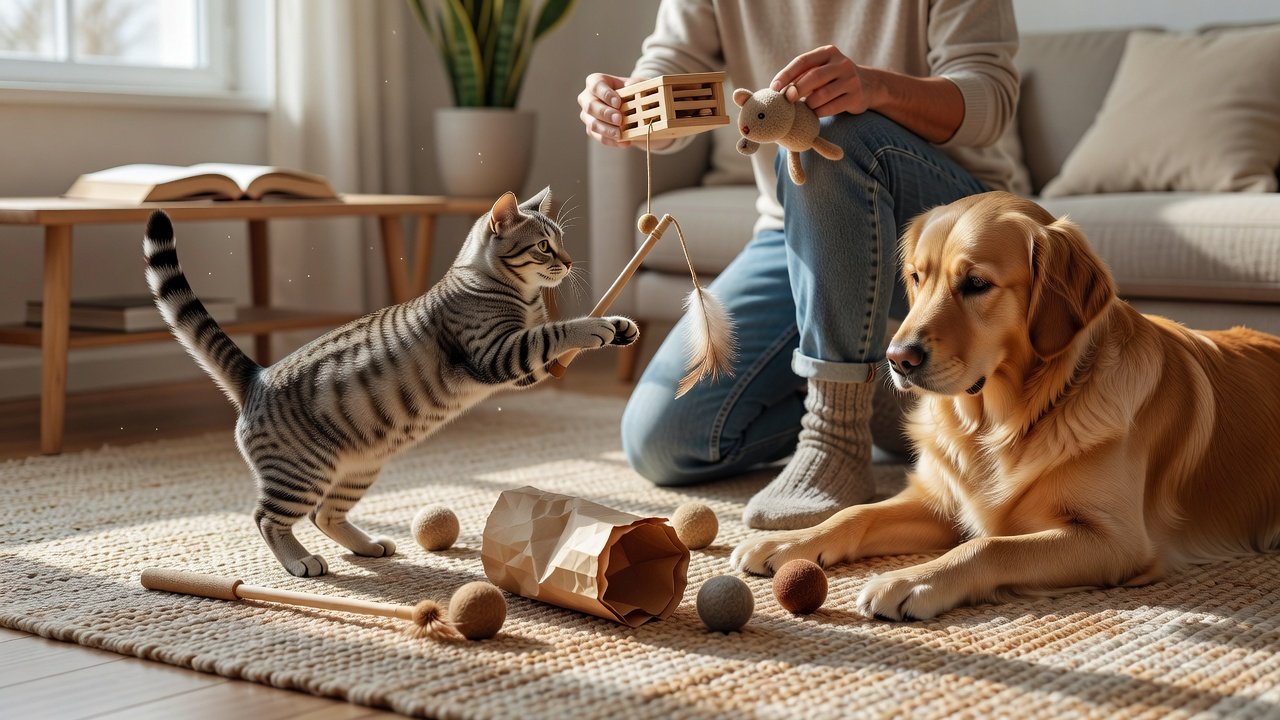
How to Choose Safe Toys for Cats
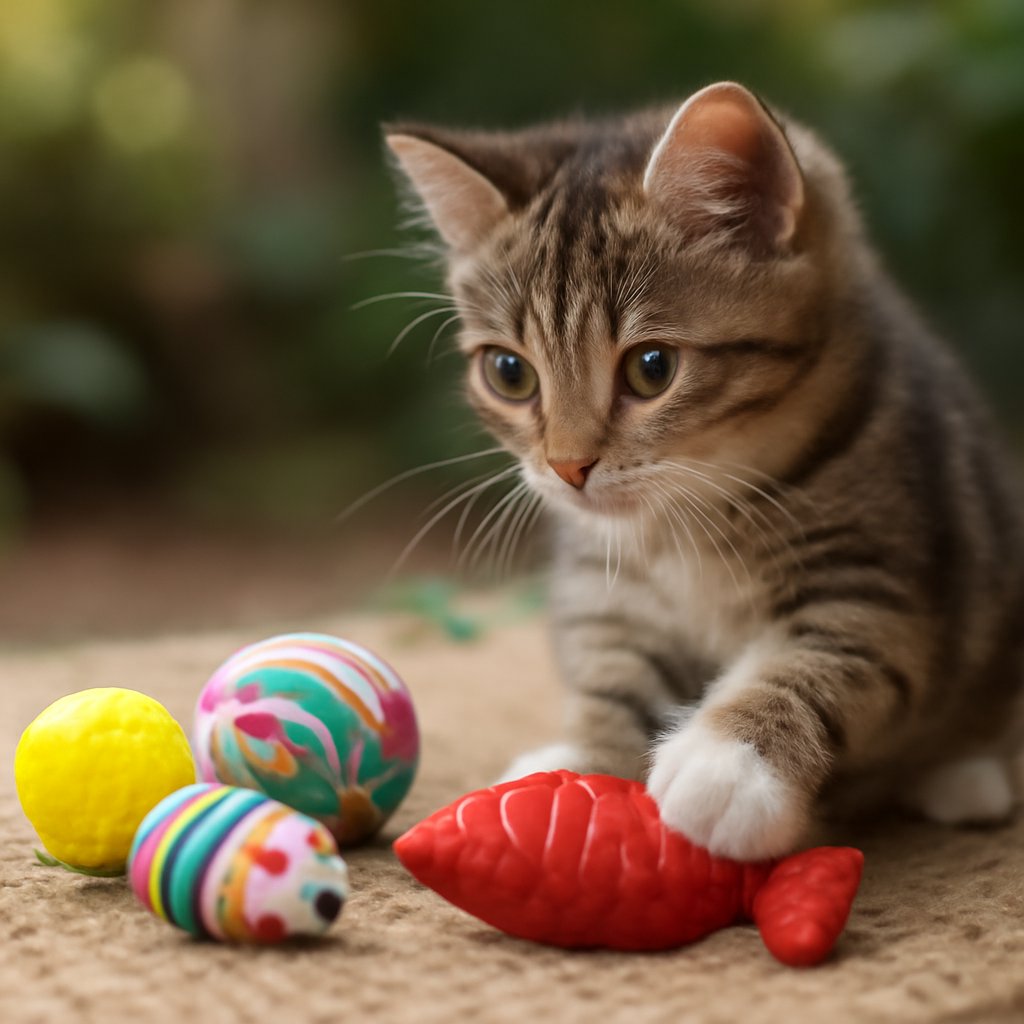
When I think about the joy that comes from bringing home a rescue cat, one of the first things that comes to mind is watching them discover the simple pleasure of play for the first time. My three rescues have taught me that safe toys aren’t just about fun—they’re about trust, healing, and giving these animals the enriching life they deserve after whatever hardships came before. Every pet owner who’s adopted knows that our cats carry instincts from their wilder days, instincts that make playtime essential, yet we also know how quickly the wrong toy can turn a happy moment into a vet visit.
What every pet owner who’s adopted knows is that not every toy on the shelf is made with our cats’ well-being in mind. Many commercial options hide small parts like bells, googly eyes, or feathers that can break off during enthusiastic chewing, creating real choking risks. Thin strings or ribbons are especially concerning because they can tangle around a tongue or cause dangerous blockages in the digestive tract that often need surgery. I always check new toys thoroughly before bringing them home and keep an eye on the ones already in rotation for signs of wear. Toxic dyes and plastics add another layer of worry, so focusing on how to choose safe toys for cats means looking for items free from lead, phthalates, and similar hazards. Size matters too—kittens can be overwhelmed by oversized toys, while adult cats might swallow something too small.
My rescue cats have taught me to pay close attention to materials. Fabric toys stuffed with synthetic fibers or beans often rip open, and the contents end up swallowed. Latex in some rubber toys can cause allergic reactions in sensitive pets. Reading labels and choosing pet-safe certified options makes a difference, and rotating and cleaning toys regularly helps prevent bacteria buildup that could lead to infections.
When it comes to safer choices, I lean toward durable, non-toxic materials like untreated wood, organic cotton, or food-grade silicone. These hold up to rough play without breaking into harmful pieces. Interactive toys that include catnip or crinkle sounds tap into those natural hunting behaviors without loose parts that could detach. Reinforced stitching and secure attachments are must-haves. Battery compartments on electronic toys should need tools to open, and for kittens I prefer softer plush without hard accents, while my senior rescue benefits from lightweight wands that encourage movement without joint strain.
Puzzle feeders also serve as safe toys for cats by turning mealtime into mental enrichment. I skip anything with strong scents or glitter that might irritate sensitive systems. Brands offering replaceable parts let me refresh favorites sustainably.
Ergonomic designs with rounded edges help prevent injuries during excited play, and toys that can be easily cleaned keep things hygienic. Observing what textures and movements each of my cats prefers during supervised first introductions helps tailor the selection to their personalities.
Supervision stays key even with the best toys. I introduce new ones slowly and watch for any intense chewing or string fixation, removing anything that shows damage right away. Rotating toys every few days keeps things interesting and extends their life. Storing unused ones securely prevents unsupervised access. Mixing wand toys for shared play with standalone kickers for solo time creates a balanced setup. Regular vet checkups catch any early concerns.
The numbers tell an important story too:
– Over 70% of cat intestinal blockages reported by veterinarians involve ingested toy parts like strings or plastic pieces.
– Cats spend an average of 2-3 hours daily playing when provided with appropriate safe toys, improving overall health and reducing behavioral problems.
– Pet product recalls due to toxic materials in toys have increased by 25% in the past five years, highlighting the need for careful selection.
– Interactive play with safe toys can decrease destructive scratching behavior by up to 60% in indoor cats.
– Kittens under six months are three times more likely to swallow small toy components than adult cats.
Choosing safe toys for cats ultimately protects our rescues while deepening the bond we share. By focusing on non-toxic materials, checking for hazards, supervising play, and rotating options, we build a secure space that supports their health and happiness. Staying informed on safety standards and talking with a veterinarian for advice tailored to each cat’s age and needs makes all the difference. For me, these small decisions lead to stronger connections and more joyful days with the cats who have already given me so much.
Sources
- ASPCA – Cat Toys and Play – Official guidance on safe cat toys and play behavior
- PetMD – What Are the Best Cat Toys – Expert advice on selecting appropriate feline toys
- VCA Animal Hospitals – Cat Behavior and Training: Play – Veterinary information on safe play practices
- AKC – Toys and Play – Guidance on choosing enrichment items for pets