
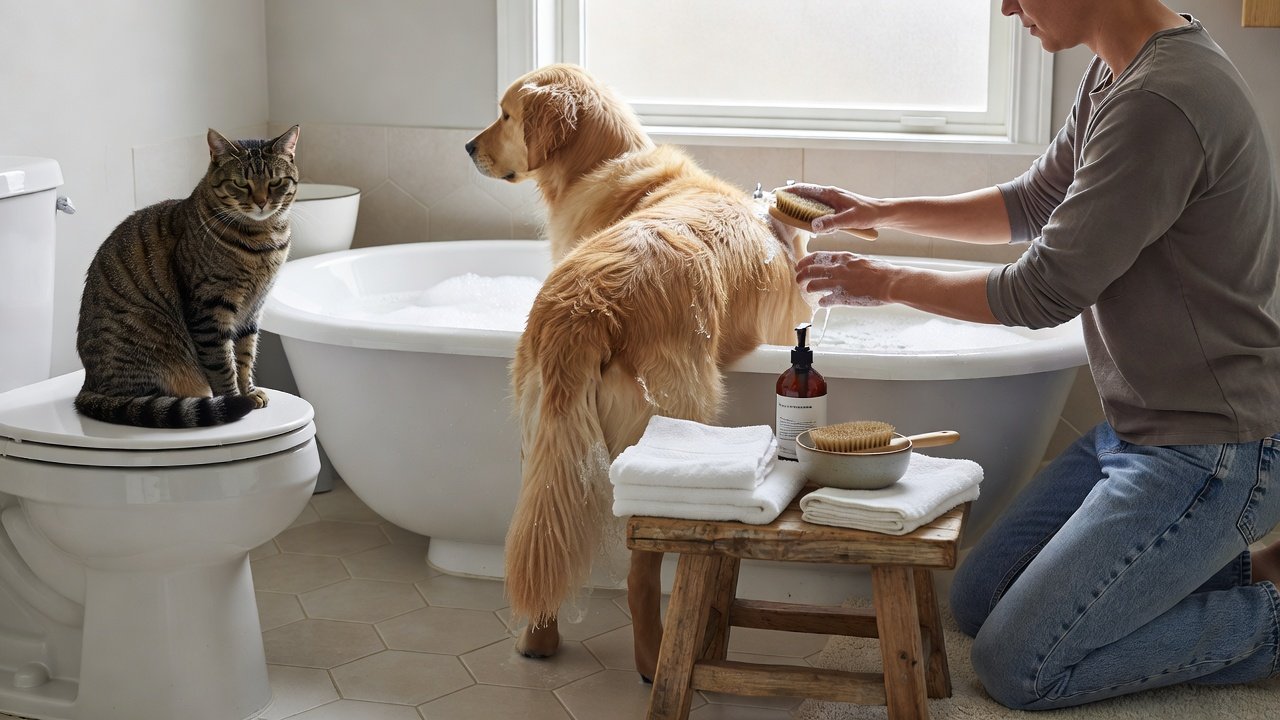
Guide to Bathing Your Dog Without Stress
“`html
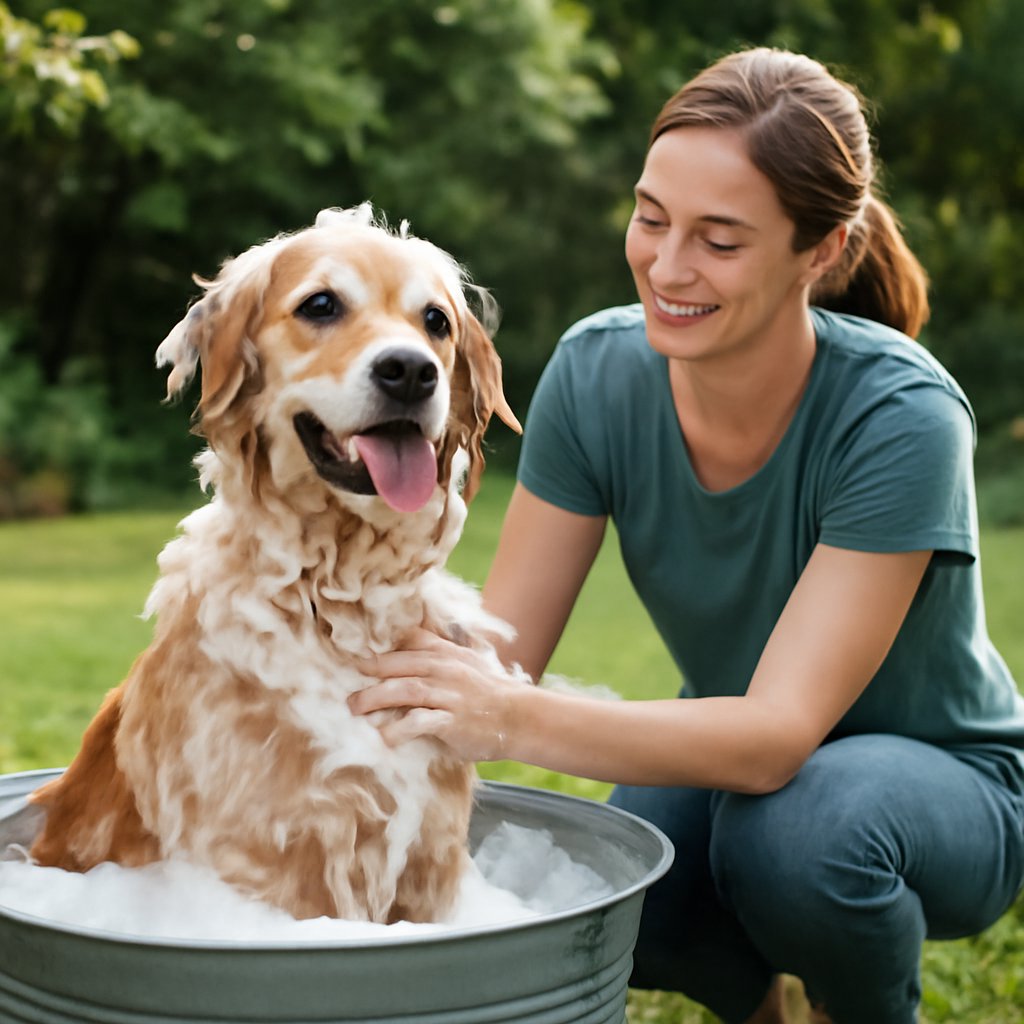
Bathing your dog without stress is an essential part of responsible pet care that keeps your furry friend clean, healthy, and comfortable. From a clinical standpoint, what owners miss here is how early desensitization protocols drawn from veterinary behavior principles can prevent the development of water-related fear responses that often require months of counter-conditioning to resolve. In my years as a vet tech, I’ve seen this situation countless times with dogs whose first baths involved sudden immersion or harsh handling, leading to trembling and escape attempts that become entrenched habits. The approach centers on gentle techniques, proper preparation, and breed-specific considerations to turn what could be a dreaded chore into a positive bonding experience that aligns with obedience training goals.
Before starting any bathing session, assess your dog’s temperament and breed characteristics. Golden Retrievers and Labrador Retrievers often enjoy water, while breeds like Poodles or Shih Tzus may require more acclimation due to their sensitive skin and coats. Begin by choosing a calm time of day when your dog is relaxed, such as after a walk or play session. Create a quiet bathing area with non-slip mats to prevent slipping, which can heighten anxiety. Use lukewarm water around 100 degrees Fahrenheit to avoid shocking their system, and gather all supplies beforehand so you never leave your pet unattended.
Introduce positive associations early through training. Offer high-value treats and use calm verbal praise during mock bath setups without water. For dogs with thick double coats like Huskies, brush thoroughly beforehand to remove loose fur and prevent matting. This preparation step reduces grooming time and minimizes discomfort. Consider your home’s layout—use a sink for small breeds or a walk-in shower for larger ones to maintain control and safety.
Start the actual process by wetting your dog gradually from the neck down, avoiding the head and ears initially. Apply a dog-specific, hypoallergenic shampoo suited to your pet’s skin type, massaging gently in circular motions while monitoring for signs of stress like trembling or attempts to escape. Rinse thoroughly to prevent residue that could cause irritation, a common issue in breeds with sensitive skin such as Bulldogs or French Bulldogs. Keep sessions short, under 10 minutes for first-timers, and incorporate breaks with treats to reinforce calm behavior. Pay special attention to paws, underbelly, and tail areas where dirt accumulates. For long-haired breeds like Afghan Hounds, use a detangling conditioner after shampooing to ease future grooming. If your dog shows resistance, try a no-rinse waterless shampoo alternative as an interim solution while building tolerance through repeated positive exposure. Throughout, maintain a soothing tone and avoid sudden movements that could trigger fear responses.
Once bathing concludes, wrap your dog in a large absorbent towel and gently blot rather than rub to prevent skin irritation. Use a low-heat pet dryer on sensitive areas, keeping it moving to avoid overheating, especially for double-coated breeds prone to hot spots. Follow up with ear cleaning using vet-approved solutions to prevent infections, a key aspect of animal health maintenance. Reward your dog immediately with playtime or favorite toys to create lasting positive memories.
Different dog breeds demand tailored approaches. Short-coated breeds like Beagles dry quickly but may need extra moisturizer, while curly-coated Poodles benefit from professional-style brushing post-bath. Monitor for any redness or excessive scratching afterward, consulting a veterinarian if issues arise. Integrating these steps into regular training routines strengthens your bond and supports long-term obedience around grooming tasks.
Over 60% of dogs exhibit some form of bath-related anxiety, often linked to improper early introductions according to veterinary behavior studies. Regular bathing every 4-6 weeks helps maintain skin pH balance and reduces allergen buildup in household environments. Using lukewarm water and breed-appropriate products decreases the risk of dryness or infections by up to 40% in sensitive breeds. Positive reinforcement training during baths improves compliance rates by 75% within just three sessions for most dogs. Double-coated breeds like German Shepherds shed less after proper bathing routines when combined with consistent brushing.
Understanding the science behind your dog’s bath anxiety can help you respond more effectively. Dogs have highly sensitive skin with a pH level between 6.5 and 7.5, which is more neutral than human skin at around 4.5. This makes them vulnerable to irritation from human shampoos, which can disrupt their skin barrier and cause itching or inflammation. Additionally, dogs perceive temperature changes more acutely than humans do, and the sensation of water on their fur alters their sense of spatial awareness, which can feel threatening to animals who rely heavily on their awareness of their surroundings for security. This physiological reality underscores why gradual desensitization works so well—it allows your dog’s nervous system to adjust to these sensations at a manageable pace.
The choice of bathing location matters more than many owners realize. Small breeds under 25 pounds can bathe comfortably in a sink or large basin, which provides a contained environment that feels less overwhelming than a full bathroom or shower. Medium breeds often do well in a walk-in shower with a handheld showerhead, while large breeds may benefit from outdoor bathing with a garden hose during warmer months, provided the water pressure is set to a gentle flow. The key is maintaining control while making your dog feel secure. Installing a grooming loop or harness in your bathing area gives you a way to keep your dog steady without restraining them so tightly that they feel trapped, which would only increase anxiety.
Water temperature deserves special attention beyond the standard 100-degree recommendation. Test the water on your inner wrist or elbow before applying it to your dog—if it feels comfortable on your sensitive skin, it’s appropriate for your pet. Water that’s too hot can damage the skin barrier and cause painful burns, while water that’s too cold triggers shivering and discomfort. For puppies and senior dogs, err on the side of slightly warmer water, as these age groups have more difficulty regulating body temperature during and after baths.
Product selection extends beyond just choosing dog-specific shampoos. Consider your dog’s specific skin condition: oily coats benefit from clarifying shampoos that remove buildup, while dry or itchy skin requires moisturizing or medicated formulas. If your dog suffers from allergies, hypoallergenic options free from dyes, perfumes, and common irritants are essential. Conditioners aren’t just for aesthetics—they help seal the hair cuticle and protect the skin, reducing moisture loss by up to 30% according to dermatology studies. For dogs with skin conditions, your veterinarian may recommend specific therapeutic shampoos that should be left on the skin for 5-10 minutes before rinsing to allow active ingredients to work effectively.
Building a routine timeline helps both you and your dog prepare mentally. Many trainers recommend bathing your dog at the same time each week, as dogs thrive on predictability. Some owners find that bathing their dogs in the morning allows time for complete drying before bedtime, while others prefer evening baths followed by quiet bonding time. Establish a pre-bath ritual—perhaps putting on a specific playlist or changing into bath clothes—that signals to your dog that bath time is approaching. This predictability reduces the startle response and allows your dog’s nervous system to gradually shift into acceptance mode.
Environmental factors play a larger role in bath success than most owners acknowledge. Ensure the room temperature stays between 72-78 degrees Fahrenheit, as rapid heat loss after bathing can cause discomfort and increase anxiety about future baths. Minimize noise and other distractions—turn off loud exhaust fans and ask family members to avoid sudden interruptions. If your dog is sensitive to certain sounds, use white noise or calming music to mask the bathing sounds. Some dogs respond well to calming supplements containing L-theanine or chamomile, which can be administered 30 minutes before bath time to reduce overall anxiety without sedating your pet.
The handling technique during bathing significantly impacts your dog’s response. Instead of hosing water over your dog, use a handheld pitcher or cup to pour water slowly, allowing your dog to adjust to the sensation. Always warn your dog before wetting their face—use a calm tone to say something like “face time” so they anticipate what’s coming. Avoid spraying water directly into eyes, ears, or nostrils; instead, wet a washcloth and gently clean the face by hand. Many dogs’
Related Posts
- How to Groom a Long-Haired Cat Without Stress
- Top Energetic Dog Breeds for Active Families
- Top Guard Dog Breeds With Calm Temperaments
- Best Low-Maintenance Dog Breeds for Busy Owners
- Training Your Dog to Walk Calmly Leash