
The Most Fascinating Ugly Animals: Beauty in Bizarre Creatures
When we picture the animals that share our world, it’s the sleek lions or playful dolphins that usually steal the spotlight. But what every pet owner who’s adopted knows is that some of the most remarkable creatures out there don’t match our usual ideas of cute—and honestly, that’s where their real magic lies. My rescue cats have taught me that the ones who look a little different often carry the deepest stories of survival and adaptation. These so-called ugly animals aren’t oddities; they’re perfectly tuned survivors who remind us why rescue culture matters so much. Let’s explore a few of Earth’s most unusual-looking animals and see why they earn our respect, just like the overlooked pets waiting in shelters for their forever homes.
What makes an animal “ugly” comes down to how they stray from human expectations—maybe odd facial features, textured skin, quirky proportions, or unexpected colors. Yet every single trait serves a vital purpose for staying alive, whether blending into surroundings, attracting mates, warding off threats, hunting efficiently, or thriving in harsh conditions. It’s the same lesson I see when families open their hearts to shelter pets who might not photograph well but fit perfectly into a home.
Take the blobfish, often called the ocean’s most infamous ugly animal. This gelatinous creature lives deep off Australia, and when pulled up, it shows a droopy, sad-looking face. That squishy look isn’t how it appears in its true habitat; pressure changes during the rise make its body expand. Down below, the blobfish keeps a more normal shape suited to extreme depths and hunts whatever drifts its way. I can’t help but think of the rescue animals who’ve been through their own rough transitions yet settle into something wonderful once given the right environment.
Naked mole rats stand out as underground royalty among peculiar ugly animals. These nearly hairless, pink, wrinkled rodents have oversized teeth and an expression that seems permanently uneasy. Still, they’re eusocial like bees, with a queen and worker roles, nearly cancer-proof, able to survive low oxygen, and nearly pain-free in some situations. They can live up to 30 years in captivity, far longer than most rodents their size. What every pet owner who’s adopted knows is that these quiet superpowers often hide in the animals others pass by.
The anglerfish claims a spot among the ocean’s ugliest animals, with huge mouths of needle teeth and a glowing lure to draw prey in total darkness. Females dwarf the tiny males, who in some species fuse permanently to their mates. That strange bond keeps both alive where finding company is rare. It echoes the deep loyalty we see in rescue bonds, where two very different lives become one steady team.
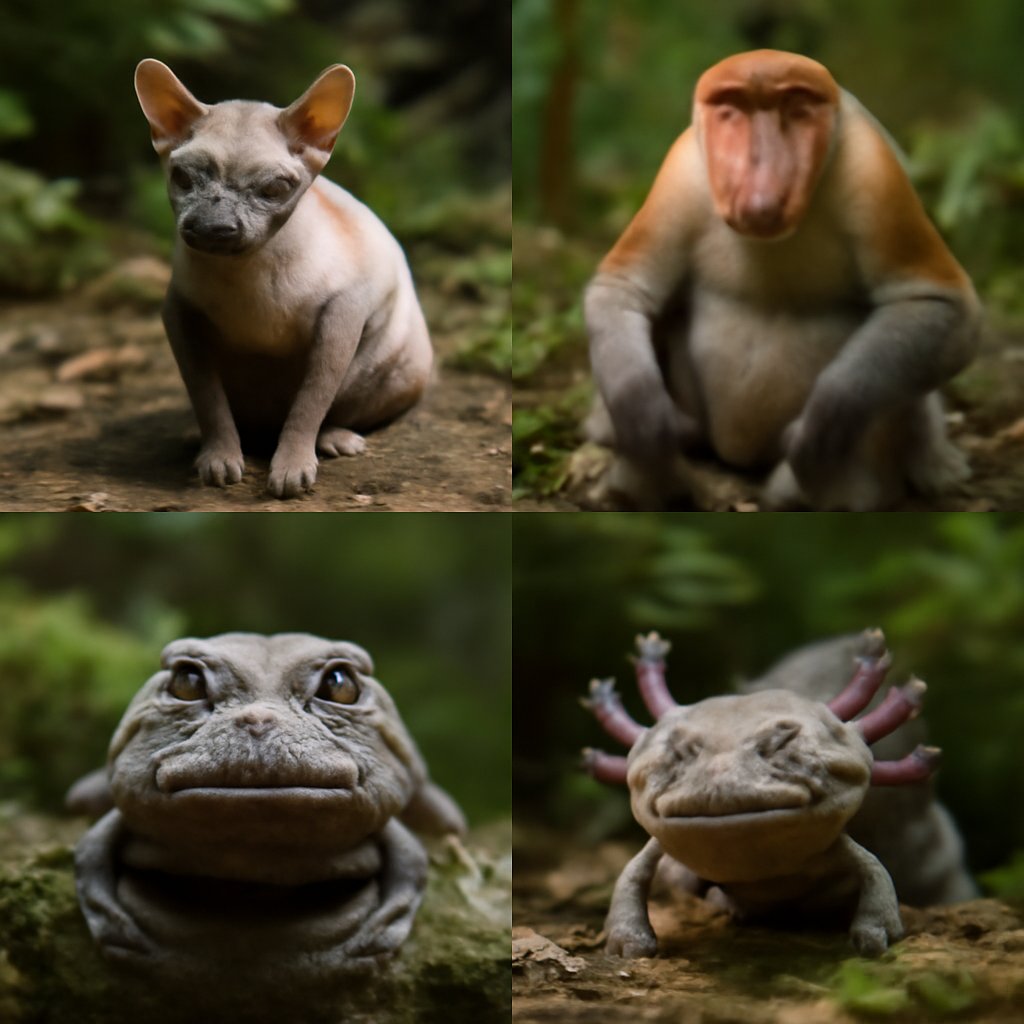
Proboscis monkeys from Borneo win points for their striking long noses, which can reach four inches and help with voice and attraction. Males show even bigger versions. These monkeys swim well, leaping from trees into water, and digest leaves the way cows do with special stomachs. Sadly, they’re endangered, so protecting them matters for the whole island’s balance—just as adopting and advocating for at-risk pets keeps our communities richer.
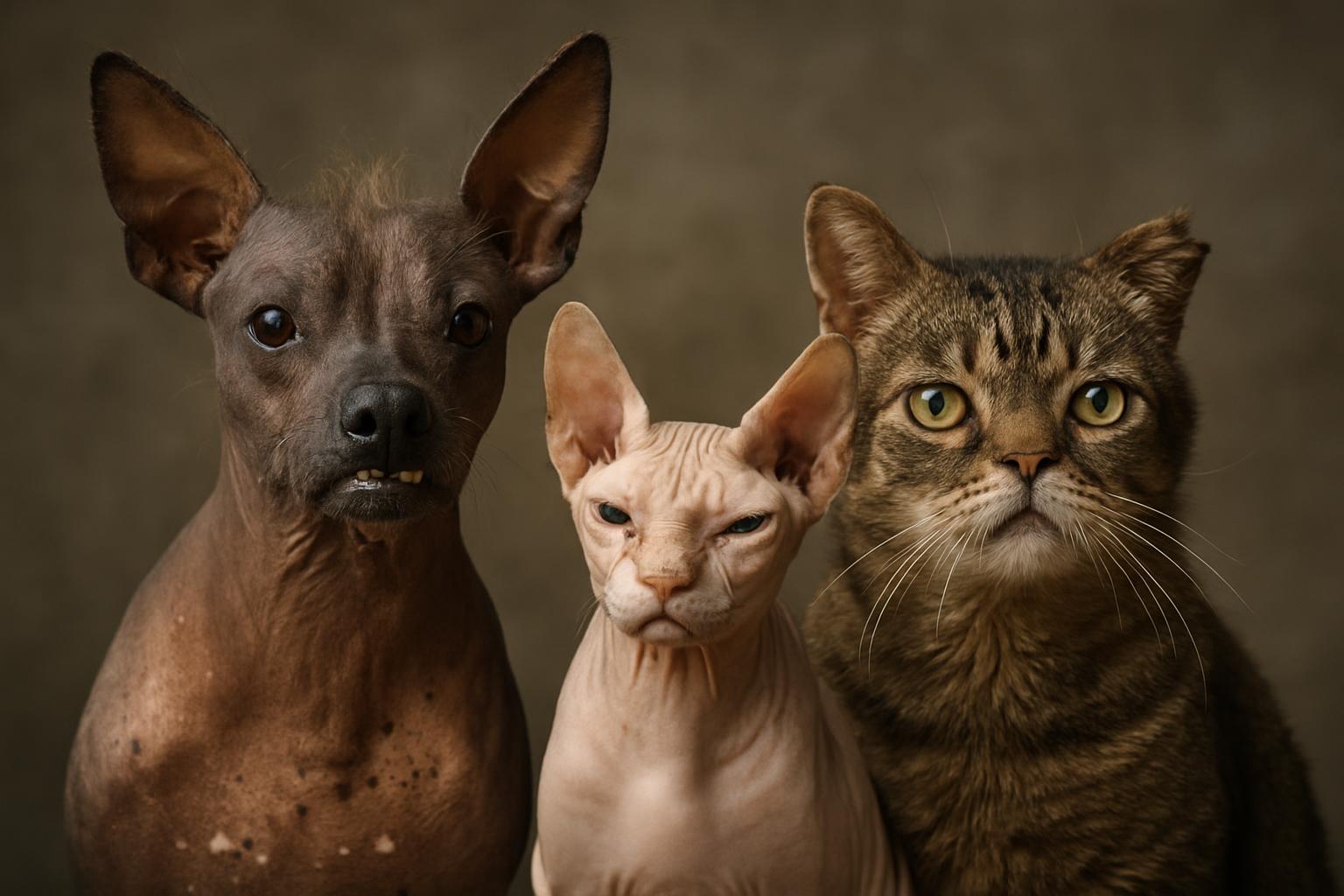
Even in the dog world, breeds like the Chinese Crested and Xoloitzcuintli often get labeled ugly animals because of their hairless, wrinkled skin and delicate builds. Owners quickly learn their affectionate, smart, loyal hearts make up for any extra care like sunscreen or sweaters. “Ugly” turns endearing fast when you live with that kind of devotion.
Madagascar’s aye-aye brings another nocturnal contender, with huge ears, long middle fingers, and glowing eyes. They use those fingers to pull grubs from bark and play a key role in forest health. Local fears sometimes lead to harm, yet these gentle specialists deserve protection, much like the misunderstood rescue cats who simply need a chance to show their gentle side.
The goblin shark, a living fossil rarely seen, sports a long snout, protruding teeth, and pale skin while hunting at depths near 4,000 feet. Unchanged for millions of years, its odd form works perfectly in the deep. Warthogs round out the list with warty faces and tusks that actually protect them in fights. They hit speeds of 30 mph, keep sharp senses, and raise tight family groups. Their babies steal hearts, proving even the toughest-looking animals hold soft moments.
Every animal we might call ugly fills an essential place in its world. Appreciating them widens our view of biodiversity, honors each creature’s worth, backs conservation for the forgotten, and questions what we think beauty means. My rescue cats have taught me that the same holds true at home: the bond we form with an adopted pet often runs deeper precisely because we saw past first impressions.
These remarkable creatures show that adaptation and purpose outshine looks every time. Next time one appears in a nature show or at a sanctuary, pause to notice what makes it thrive. You may find these unusual animals rank among the most captivating of all.