
Yorkshire Terrier Grooming Guide: Keeping Your Yorkie Looking and Feeling Their Best
“`html
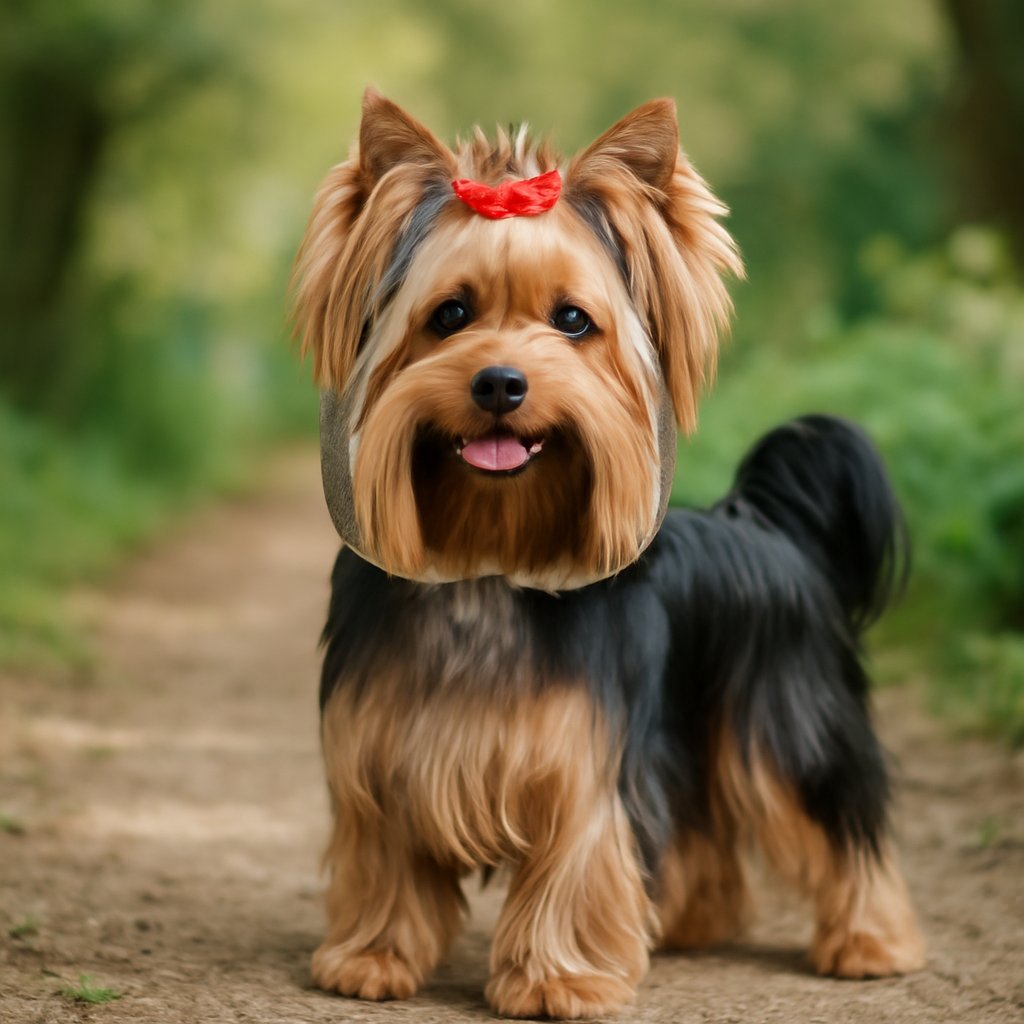
Yorkshire Terriers, or Yorkies, stand out for their fine, silky coats and energetic temperaments, but maintaining that coat demands a structured approach grounded in both dermatological principles and consistent handling. From a clinical standpoint, what owners miss here is how their continuous hair growth—similar to human hair—creates a double coat that traps moisture and debris if neglected, setting the stage for bacterial dermatitis or folliculitis. In my years as a vet tech, I’ve seen this situation countless times where daily brushing prevents the painful mats that form in high-friction areas like the axillae and inguinal region.
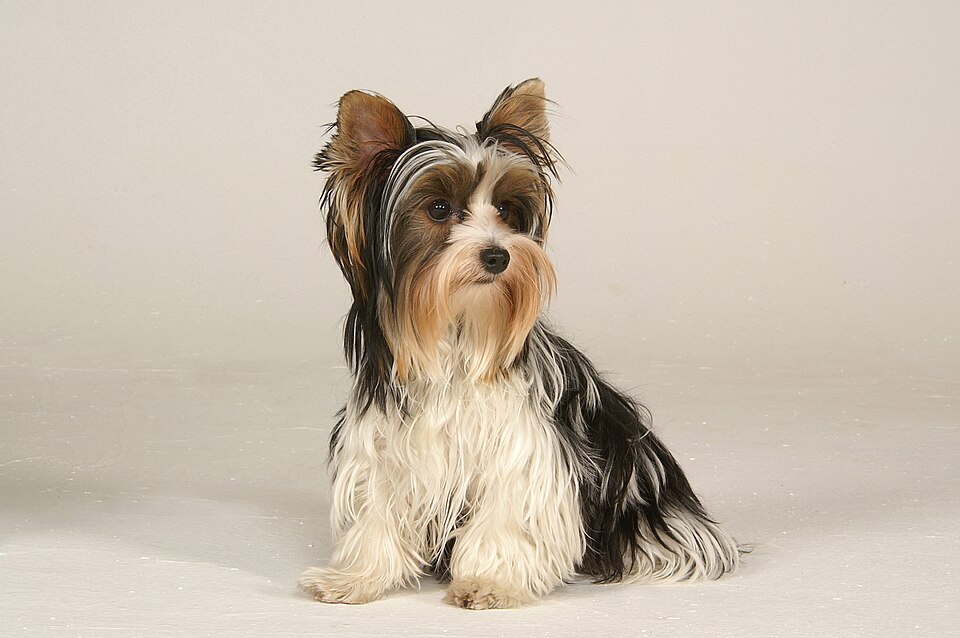
Yorkies typically display a straight, fine topcoat over a softer undercoat, with puppies transitioning from fluffier textures to the sleeker adult coat between 12 and 18 months. Color shifts, such as the blue-and-tan pattern lightening over time, do not alter grooming protocols. Regular sessions distribute sebum, clear shed hair, and allow early detection of ectoparasites or masses, which aligns with preventive veterinary care standards.
Consistency in routine proves essential for small breeds prone to anxiety during handling. A brief daily brushing with a slicker or steel comb from cranial to caudal regions, paired with weekly ear inspections and nail trims every three to four weeks when audible clicks occur on hard surfaces, reduces the frequency of full professional interventions. Face wiping prevents tear staining and debris accumulation around the eyes. Starting these processes with positive reinforcement—treats and short sessions—draws from core training methodology to build tolerance rather than resistance.
Bathing intervals range from two to four weeks based on lifestyle, using tepid water and pH-balanced canine shampoos to preserve the skin barrier; over-bathing disrupts the lipid layer and invites dryness or pruritus. Conditioners formulated for silky textures help maintain coat integrity post-bath, while avoiding human products that alter cutaneous pH. Detangling agents applied afterward ease subsequent brushing without residue buildup.
Understanding the specific needs of Yorkie coat maintenance becomes clearer when you recognize that their hair grows continuously throughout their lifetime—approximately half an inch per month under optimal conditions. This growth rate means that owners committed to the traditional long coat style face an indefinite grooming commitment. The silky texture, while beautiful, demands more attention than coarser coats found in other breeds because fine hair tangles more readily and shows matting sooner. Seasonal changes also influence shedding patterns; even though Yorkies don’t shed excessively compared to double-coated breeds, increased shedding during spring and fall necessitates more frequent brushing to prevent mat formation during these transitional periods.
The right grooming tools make a substantial difference in both effectiveness and your Yorkie’s comfort level. A slicker brush with fine, short wires works exceptionally well for daily maintenance, while a metal comb with both wide and narrow teeth helps identify tangles before they develop into mats. Pin brushes can work for longer coats but may not penetrate dense areas as effectively. Avoid cheaply made tools with rough edges that can break hair or irritate skin; investing in quality implements pays dividends over time. Additionally, keep grooming supplies organized and accessible to remove barriers to consistent daily brushing—the more convenient the process, the more likely you’ll maintain the routine.
Tear staining represents one of the most visible grooming challenges for Yorkie owners, particularly those with lighter colored coats. The reddish-brown discoloration beneath the eyes results from porphyrins in tears reacting with bacteria and yeast on the hair surface. While genetics play a role, environmental factors and diet influence tear production. Regular facial cleaning with a damp cloth or specialized tear stain wipes addresses the symptom, but consulting your veterinarian about underlying causes—such as eye irritation, ear infections, or dietary sensitivities—addresses root causes. Some owners find that certain water sources or dietary changes reduce tear staining naturally, making investigation worthwhile before pursuing more aggressive interventions.
Ear care deserves special attention in Yorkies due to their floppy ears and the hair that grows inside the ear canal. This anatomy creates a warm, moist environment prone to ear infections if not properly maintained. Weekly inspections should check for redness, odor, or excessive discharge—all signs of infection requiring veterinary attention. Gently plucking excess hair from inside the ear canal, if your dog tolerates it, improves airflow and reduces infection risk. Many groomers perform this service, and some owners find it easier to have professionals handle this task rather than attempt it at home, especially with anxious dogs. Never insert cotton swabs or other objects deep into the ear canal, as this risks rupturing the tympanum.
Dental hygiene often gets overlooked during grooming sessions, but small breeds like Yorkies have elevated risks for periodontal disease due to crowded tooth positioning and reduced jaw space. Incorporating tooth brushing into your grooming routine—ideally several times weekly using canine toothpaste—supports long-term oral health and prevents costly dental extractions later. The mouth opening involved in grooming sessions provides an opportunity to assess gum color, check for retained baby teeth in puppies, and notice any unusual odors that might indicate dental problems.
Many households manage baseline care effectively at home, yet professional grooming every four to six weeks addresses sanitary trims and stylistic maintenance for those preferring longer topknots. Selecting groomers experienced with toy breeds minimizes handling stress. Between visits, daily maintenance and spot checks keep the dog comfortable and reduce risks like pressure sores or unnoticed wounds. When interviewing potential groomers, ask about their experience with Yorkies specifically, their handling techniques for anxious dogs, and how they manage delicate areas like the face and feet. A good groomer should also communicate any skin concerns or behavioral observations they notice during appointments.
For owners considering shorter cuts—often called “puppy cuts” or “teddy bear cuts”—these styles dramatically reduce daily grooming demands while maintaining the breed’s characteristic adorable appearance. Clipping to one to two inches throughout the body eliminates matting concerns and reduces bathing frequency to monthly intervals. While this deviates from the show standard, it remains an entirely valid option for pet owners prioritizing practicality. Discuss style preferences with your groomer well in advance with photo references to ensure you’re on the same page.
Common pitfalls include irregular brushing that escalates to matted pelage requiring clipper shaving under sedation in severe cases, or using improper tools that nick delicate skin. Overapplication of conditioners can flatten fine hair, while neglecting oral hygiene during sessions allows rapid plaque accumulation. Never leave a dog unattended on elevated surfaces, and pay close attention to periocular and aural tissues where irritation develops quickly. Additionally, avoid grooming a Yorkie immediately after vigorous play or exercise when they’re panting heavily—waiting until they’ve calmed down prevents overheating and makes the dog more cooperative.
Environmental factors also impact coat condition. Low humidity indoors during winter months can dry out skin and hair; using a humidifier in your home during heating season supports skin health. Similarly, exposure to chlorinated pool water or salt water at the beach requires prompt rinsing and conditioning afterward to prevent damage to the coat structure. Sun exposure, while generally beneficial in moderation, can lighten the characteristic blue coloring over time, so limiting extended outdoor time during peak UV hours helps preserve the adult coat color.
With methodical application of these practices, grooming supports both dermatologic health and the human-animal bond, resulting in a glossy coat and alert demeanor that reflects ongoing preventive care.
Sources
- American Kennel Club (AKC) – Yorkshire Terrier Breed Standards and Care
- ASPCA – Dog Grooming Tips and Best Practices
- VCA Animal Hospitals – Grooming and Skin Care for Dogs
Related Posts
- Preventive Care Tips for Keeping Cats Healthy
- Complete Guide to Grooming Your Golden Retriever
- The Ultimate Persian Cat Grooming Guide for Happy, Healthy Kitties