
Essential Pet Care Tips for First-Time Bird Owners
“`html
Welcoming a bird into your life feels a little like opening your heart to a new kind of family member, one who sings, chatters, and watches you with those bright, curious eyes. My rescue cats have taught me that the deepest bonds often come from animals who’ve waited for the right home, and the same holds true for birds. What every pet owner who’s adopted knows is that choosing to bring home a feathered companion from a reputable rescue or sanctuary changes the whole experience—it turns care into something far more meaningful than just following a checklist.
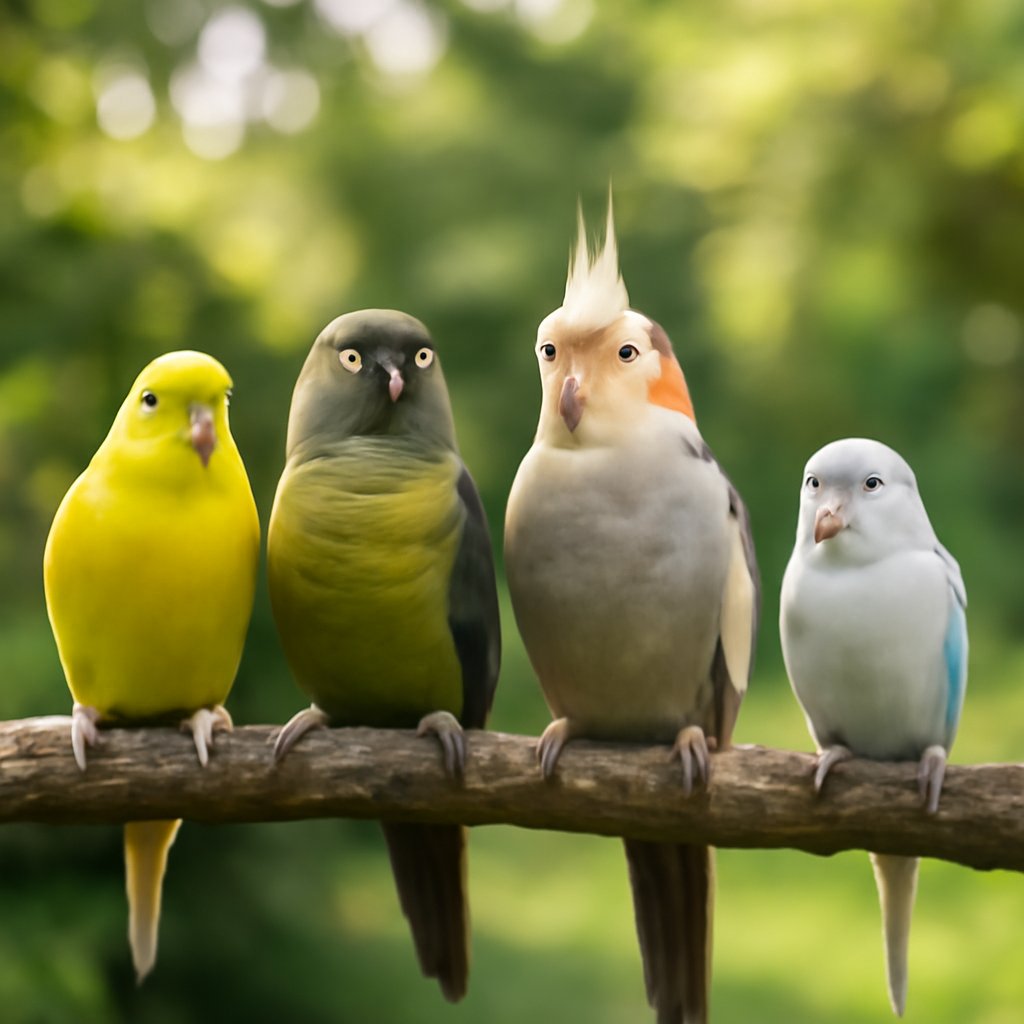
When you’re starting out with birds, the first gentle step is finding a species that fits your world. Budgies and cockatiels often make wonderful beginner companions because of their manageable size and affectionate ways, while lovebirds bring bold color and personality if you can commit to daily interaction. Larger parrots like African greys or macaws need more room and time, so most new owners do best beginning small. Lifespans that stretch beyond twenty years mean you’re signing up for a true long-term relationship, one that deserves the same thoughtful matching process we use when adopting cats or dogs. Researching rescues instead of supporting the pet trade helps ensure your bird starts healthy and loved.
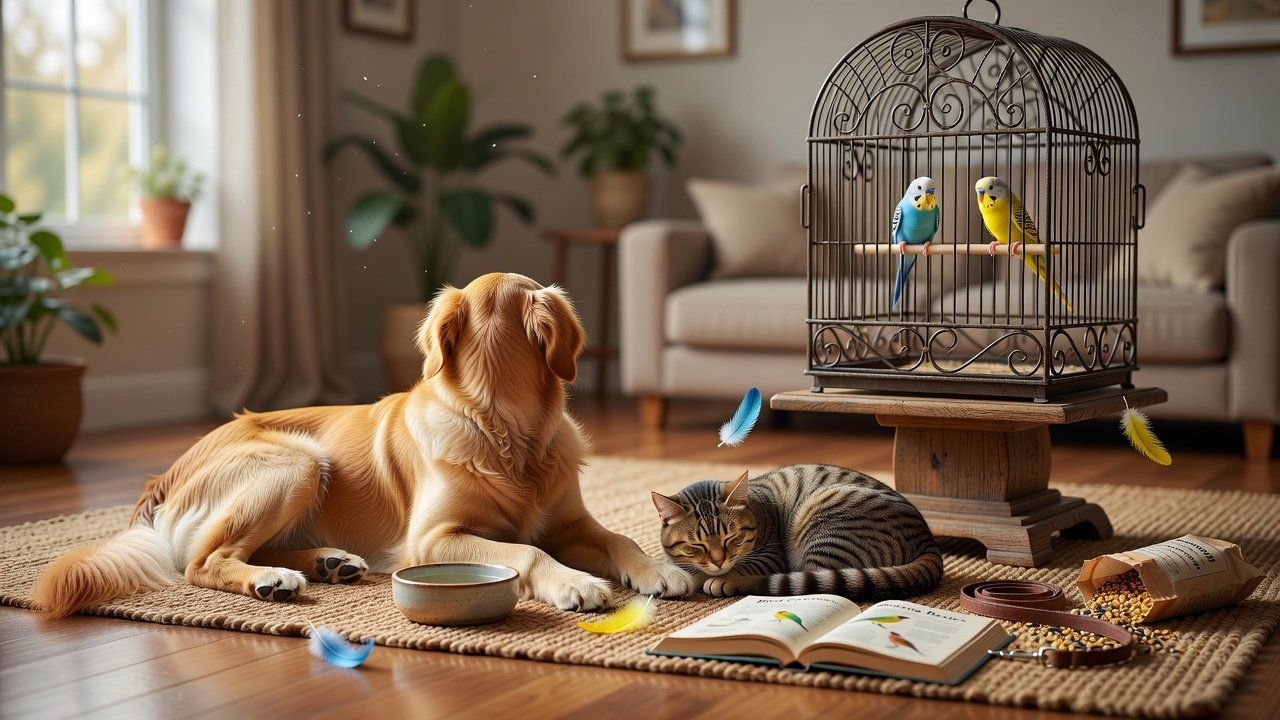
Before your new friend arrives, take time to look at your home through their eyes. Birds need a quiet corner away from kitchen fumes and busy hallways, with a cage spacious enough for stretching wings and placed at eye level so they feel part of the daily rhythm. The minimum cage size depends on species—budgies need at least 18 by 18 by 24 inches, while larger parrots require considerably more space. A good rule of thumb is choosing the largest cage your space and budget allow; birds will never thank you for cramped quarters, but they’ll certainly suffer for it. If you already share your life with cats or dogs, slow introductions and careful supervision protect everyone’s peace. Most species also need several hours outside the cage each day for exercise and connection, something that quickly becomes the highlight of both your routines.
The cage itself deserves thoughtful selection. Bar spacing matters tremendously—too wide and smaller birds can slip through or get their heads stuck, risking injury or worse. Stainless steel or powder-coated cages work best, as galvanized metal can release toxic zinc when birds chew on it. Position the cage away from windows where drafts and direct sunlight create temperature swings, and avoid areas near your kitchen where cooking fumes—particularly from Teflon or non-stick cookware—release fumes that are lethal to birds. This sensitivity to air quality means you’ll want to skip scented candles, air fresheners, and strong cleaning products in shared spaces.
Nutrition becomes its own quiet act of love. A foundation of high-quality pellets, fresh leafy greens, carrots, and bell peppers keeps energy steady and prevents the feather-plucking or health troubles that so often send birds to the vet. Pellets should make up about 60 to 70 percent of your bird’s diet, with fresh foods comprising the rest. Dark leafy greens like spinach, kale, and Swiss chard are nutritional powerhouses, though spinach and kale should be offered in moderation due to their oxalic acid content. Fruits like apples and berries add sweetness in small amounts, while avocado, chocolate, salt, and caffeine stay firmly off-limits—these are genuinely toxic and even small amounts can cause serious harm. Changing water daily and offering foraging toys turns mealtime into enrichment, and a weekly weigh-in on a gram scale helps catch changes early—birds are masters at hiding when they don’t feel well.
Many first-time owners underestimate how much birds appreciate variety in their diet. Rotating different vegetables, offering whole grains like quinoa or brown rice, and including safe nuts like almonds and walnuts creates both nutritional balance and mental engagement. Some birds develop strong preferences and become picky eaters, so introducing new foods when they’re young helps establish broader palates. Sprouted seeds offer concentrated nutrition and appeal to many birds’ natural foraging instincts, making them an excellent addition to regular meals.
Mental stimulation matters just as much as food. Rotating shreddable toys, bells, and puzzle feeders keeps curious minds engaged and reduces stress behaviors. I’ve seen the same spark in my cats when they have new ways to explore; birds are no different. Without enough enrichment, even the sweetest bird can develop habits that break your heart. Consider creating a toy rotation system where you introduce different toys weekly, keeping novelty alive without overwhelming your bird. Natural wood perches of varying diameters also provide enrichment while supporting foot health better than plastic dowels.
Birds are intelligent creatures with problem-solving abilities that rival some primates. Investing time in teaching them tricks—not just for entertainment, but as a form of mental exercise—strengthens your bond while keeping their minds sharp. Clicker training works beautifully with birds, using the sound of a clicker to mark desired behavior followed by a reward, typically a favorite treat or praise. This positive reinforcement approach builds confidence and creates a language of communication between you and your feathered friend.
Health and trust grow together through steady routines. Watch droppings, appetite, and energy levels, and schedule yearly visits with an avian vet for checkups, nail trims, and bloodwork. A thirty- to forty-five-day quarantine for any new bird protects everyone in the household from potential diseases like psittacosis or aspergillosis. Positive reinforcement training, starting with simple step-up commands, builds the kind of quiet confidence that makes daily life sweeter for both of you. Bird-proofing a room so they can safely stretch their wings mirrors the same careful preparation we give our cats and dogs.
Finding an avian veterinarian deserves special attention—not all vets are equipped to care for birds, and the difference between a general practitioner and an avian specialist can be profound. Regular health checks help establish a baseline, making it easier to spot problems early. Birds hide illness remarkably well until conditions become severe, so preventive care and keen observation become your best tools for keeping them healthy.
Sleep plays a surprisingly crucial role in bird wellness. Most species need ten to twelve hours of uninterrupted sleep each night, preferably in a quiet, dimly lit space. Without adequate rest, birds become irritable, their immune systems weaken, and behavioral problems multiply. This means establishing a consistent bedtime routine and protecting your bird from household disturbances during sleep hours—something many new owners don’t anticipate when planning their living arrangements.
The numbers tell part of the story too: many parrots live twenty to eighty years, improper diets account for most vet visits, and birds need ten to twelve hours of quiet sleep each night. Enrichment can cut feather-plucking incidents dramatically, and more than half of surrendered birds arrive simply because new owners underestimated space and social needs. Annual care costs often run two to four hundred dollars, a commitment worth making when you’re choosing adoption over purchase. When you factor in specialty foods, toys, perches, and veterinary care, budgeting five to ten thousand dollars over a bird’s lifetime ensures you won’t face financial strain when health issues arise.
Safety considerations extend beyond nutrition and housing. Many common household items pose hidden dangers—non-stick cookware, air fresheners, pesticides, and even certain houseplants can harm your bird. Creating a comprehensive mental list of toxins and unsafe items helps you maintain vigilance without becoming anxious. Teaching family members and guests about these dangers ensures everyone contributes to keeping your bird safe.
In the end, the real reward comes in those small, daily moments—the soft chatter when you walk into the room, the gentle trust that builds over months and years. By focusing on species that match your life, offering balanced meals and engaging toys, and staying ahead of health needs, you give your bird the secure home every rescued animal deserves. The same patience and consistency that work so well with cats and dogs translate beautifully here. Keep learning from avian communities and veterinarians, and you’ll discover the particular joy that only a bird can bring to a rescue-minded household. Your willingness to learn and adapt ensures that both you and your feathered companion will thrive together for years to come.