
Tips for Introducing a New Puppy Home
“`html

Bringing a new puppy into your household marks an exciting milestone, and the right preparation makes all the difference in reducing stress while laying the groundwork for solid training and long-term health. In my years as a vet tech, I’ve seen this situation countless times—owners who skip the basics end up dealing with preventable issues like chewed cords or ongoing house-training setbacks.
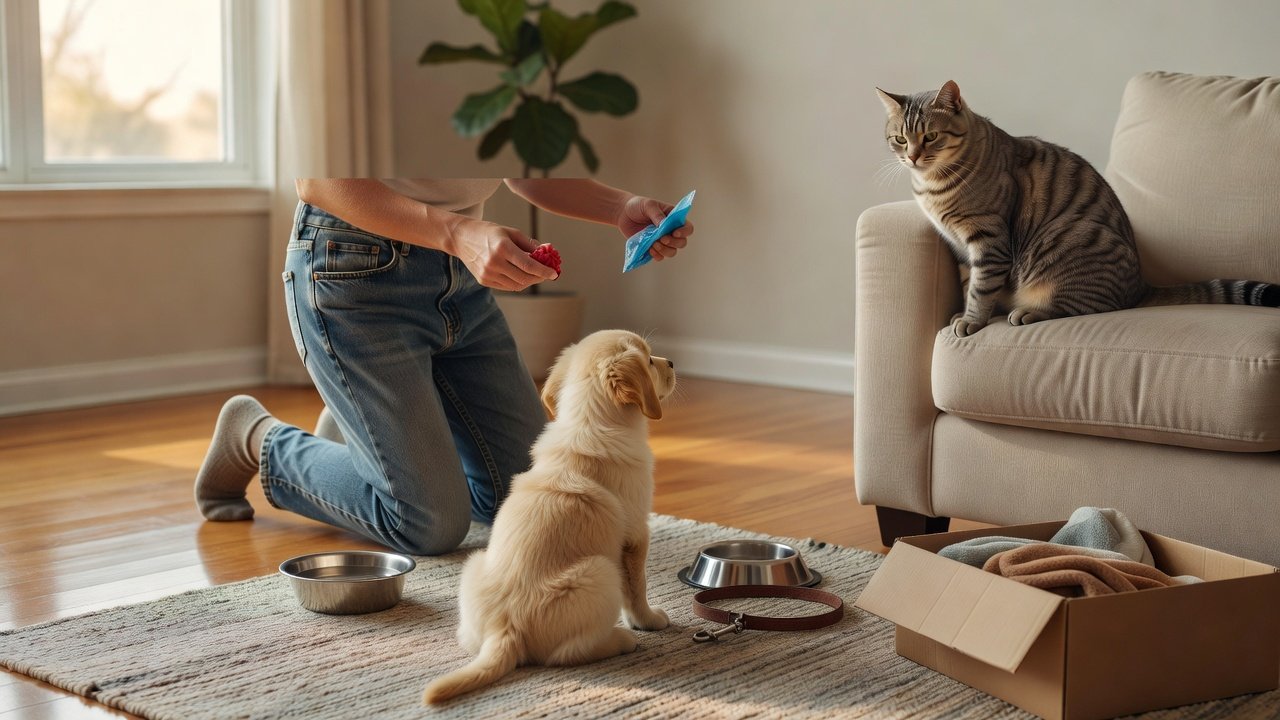
From a clinical standpoint, what owners miss here is how critical it is to puppy-proof every room ahead of time. That means securing electrical cords, removing toxic houseplants, and clearing small objects that could be swallowed. Set up the crate and bed in a quiet, draft-free spot near family activity but out of high-traffic areas. Stock essentials like a collar with ID tags, a leash, stainless-steel bowls, high-quality puppy food suited to the breed size, and enzymatic cleaners for accidents.
Breed-specific needs matter too. Labrador Retrievers, for instance, need tough toys that hold up to heavy chewing, while smaller breeds like Chihuahuas often do better with raised feeders to aid digestion. Research your puppy’s temperament early so you can adjust the space accordingly. If cats already live in the home, add vertical escape routes with cat trees to help everyone coexist during the adjustment phase.
Understanding your puppy’s developmental stage is equally important. Puppies go through several critical growth phases, and knowing what to expect helps you respond appropriately. Between 3 and 5 weeks, puppies begin weaning and developing social skills with littermates. When they arrive at your home around 8 weeks, they’re entering what behaviorists call the “socialization window”—a period of rapid learning and adaptation. During weeks 8 to 12, puppies are particularly receptive to new experiences, which makes this an ideal time to introduce various stimuli. Between 12 and 16 weeks, fear responses may emerge as their confidence develops unevenly, so continued positive exposure remains critical. Understanding these phases prevents misinterpreting normal developmental behavior as aggression or anxiety.
On the first day, transport the puppy in a secure carrier and carry them inside rather than letting them walk—this avoids sensory overload. Let them explore one room at a time with other pets separated initially. Offer potty breaks every 30 to 60 minutes and reward success outdoors with treats and praise to begin house-training right away. Stick to a consistent feeding schedule and watch water intake closely. The first night often brings whining, so placing the crate beside your bed with a warm blanket or ticking clock can mimic littermate comfort. Respond calmly to real distress but avoid reinforcing every cry, which prevents bad habits from forming.
Consider that puppies have tiny bladders—at 8 weeks old, they typically can only hold urine for about 3 hours. This biological reality means nighttime accidents are completely normal and expected. Many owners don’t realize that puppies cannot physically control their bladders through the night until around 4 to 6 months of age, regardless of training consistency. Using waterproof mattress protectors and enzymatic cleaners specifically designed to break down uric acid (not ammonia-based cleaners) prevents odor from drawing the puppy back to the same spot. Patience during this period is far more effective than punishment, which can actually create anxiety around elimination and worsen house-training delays.
When introducing the puppy to resident dogs or cats, always supervise on neutral ground like the backyard. Keep everyone on leash or behind gates and reward calm behavior with high-value treats. Ragdoll cats, known for their gentle nature, usually adapt well with vertical space available, but never force contact. Gradual scent swapping with blankets helps all animals settle before direct meetings. Watch for stress signals in resident pets—ears back, stiff posture, or avoidance behaviors indicate the animals need more time apart. Some multi-pet households benefit from using baby gates to allow visual contact without physical interaction for several days, letting animals adjust gradually.
Start basic obedience training within the first week using positive reinforcement. Five-minute sessions on “sit,” “stay,” and name recognition suit young puppies with short attention spans. Socialization in the critical 8-to-16-week window prevents fear-based issues later—introduce different sounds, surfaces, people in hats, and friendly vaccinated dogs under controlled conditions. Exposure during this window to vacuum cleaners, thunderstorm recordings, hardwood floors, carpet, wet grass, and children of various sizes creates a neurological foundation that makes adult dogs significantly more confident and adaptable.
Beyond formal training sessions, incorporate learning into daily activities. During potty breaks, practice the command to sit before going outside. While preparing meals, have your puppy sit and wait rather than jumping at the counter. This contextual training—reinforcing behaviors in real-life situations—often teaches faster than dedicated training sessions because puppies learn to apply commands across different scenarios and environments.
Nutrition during the first year significantly impacts long-term health. Large and giant breed puppies require carefully balanced calcium and phosphorus ratios because their growth plates remain open much longer than small breeds. Feeding an oversized dog food designed for adult Labradors to a growing Lab puppy can actually cause orthopedic problems later. Look for AAFCO certification stating the food is formulated for puppy or all-life-stages growth. Discuss feeding amounts with your veterinarian based on your puppy’s current weight, expected adult size, and activity level, as overfeeding accelerates growth in ways that stress developing joints.
Schedule a veterinary visit within 48 hours for a wellness exam, deworming, and vaccination planning. Monitor for lethargy, diarrhea, or appetite loss, which often appear during transitions. Keep a daily log of eating, drinking, and elimination to catch problems early. Large-breed puppies need controlled exercise to protect developing joints, while small breeds benefit from extra warmth in cold weather. Avoid strenuous activities like jumping or long runs until growth plates close—typically around 12 to 18 months depending on breed size. Short, frequent play sessions suit growing puppies better than marathon exercise outings.
The financial commitment of puppy ownership extends well beyond the purchase price. In addition to the initial setup costs, puppies require multiple veterinary visits during their first year for vaccinations, microchipping, spaying or neutering, and baseline health screening. Unexpected health issues—which are surprisingly common during the first year—can quickly escalate costs. Building a small emergency fund of $500 to $1,000 before bringing a puppy home allows you to handle unexpected veterinary expenses without financial stress, which can impact decision-making when your new pet needs care.
Approximately 3.3 million dogs enter U.S. shelters annually, making responsible puppy introductions crucial for long-term retention. Puppies trained with positive reinforcement show 90% faster learning rates compared with aversive methods. Proper socialization before 16 weeks reduces adult behavior problems by up to 70% according to veterinary behavior studies. The average cost of raising a puppy in its first year exceeds $1,500 when including food, training, and preventive health care. House-training success typically occurs between 4 and 6 months when consistent routines are followed. Multi-pet households report 85% successful integration when introductions are gradual and supervised.
Finally, remember that patience during the first weeks pays enormous dividends throughout your dog’s life. Puppies are learning to navigate an entirely new world with unfamiliar sights, sounds, smells, and social structures. The calm, consistent approach you establish now creates a secure attachment and builds confidence that shapes your dog’s personality for years to come. Small investments in proper setup, veterinary care, training, and gradual socialization during this critical window often prevent costly behavioral or health issues later.
Mastering these steps creates a secure foundation that supports training, health, and happiness for years. Consistent routines, breed-specific adjustments, and patient pet introductions help your puppy thrive and become a well-adjusted member of the household.
Sources
- American Kennel Club (AKC) – Expert advice on bringing home a new puppy
- Tips for Safely Introducing a New Cat to Dogs
- Baby Animals: The Ultimate Guide to Adorable Babies in the Wild and at Home
- Fun Tricks to Teach Your Dog Home
- How to Socialize Your New Kitten Properly
- Top Protective Dog Breeds for Home Security