
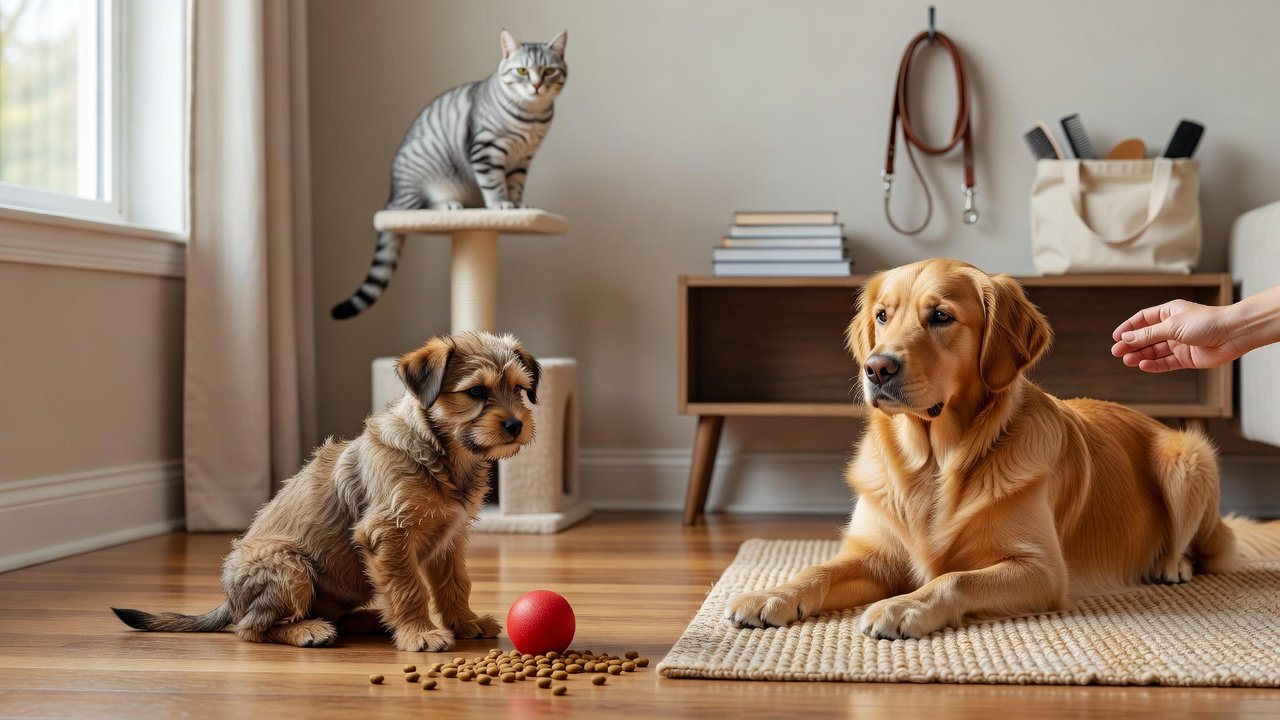
Effective Training Tips for Stubborn Puppies at Home
“`html
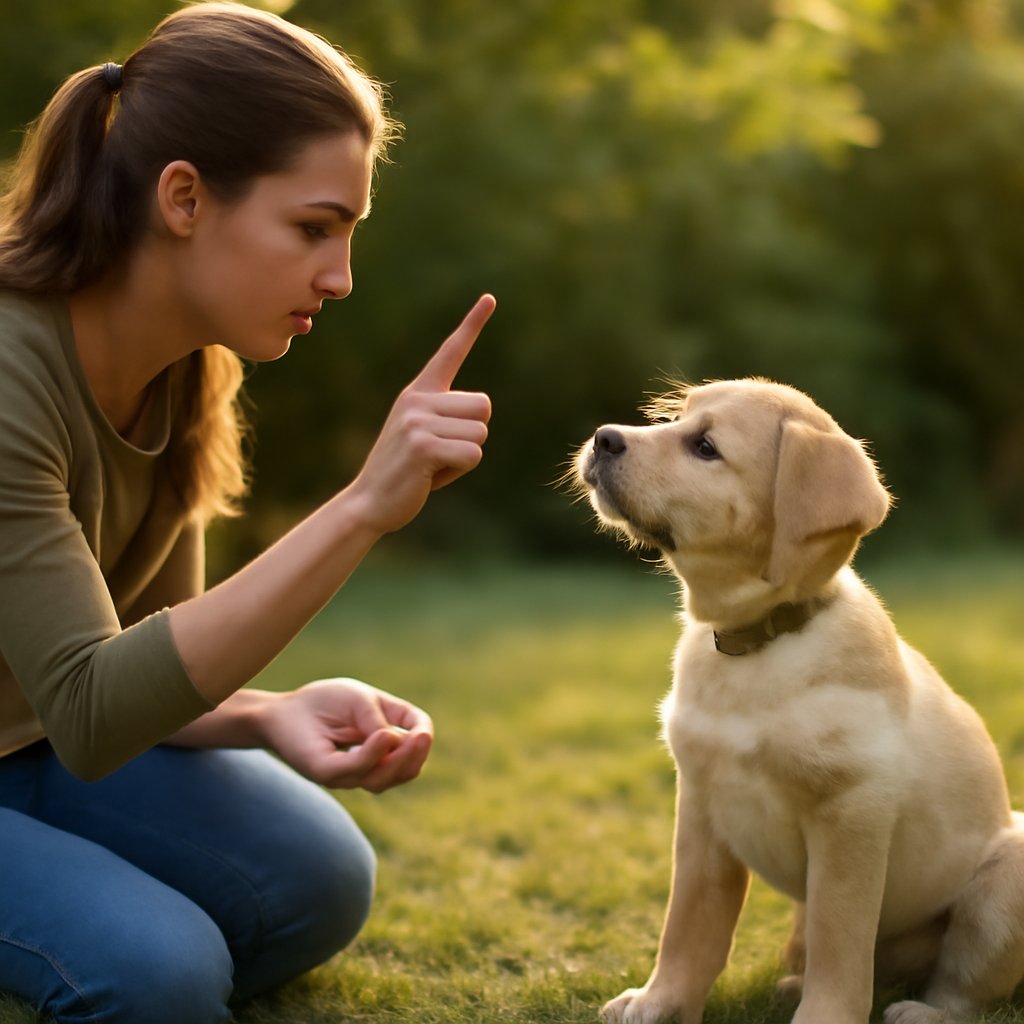
When I first brought my three rescue cats home, I quickly learned that every animal comes with their own stubborn streak, shaped by whatever they endured before finding safety. The same holds true for puppies, especially those who land in shelters after early struggles with training. Effective approaches at home can turn even the most independent young dogs into steady companions, and what every pet owner who’s adopted knows is that consistency paired with kindness builds a bond nothing else can match. Many families face puppies who tune out commands, tug during walks, or balk at crates, particularly in breeds like Bulldogs, Terriers, and Huskies that carry strong independent roots. Gentle, reward-based methods done daily at home grow trust while heading off problems before they take hold, and my rescue cats have taught me that skipping harsh corrections keeps everyone happier in the long run.
Stubborn behavior in puppies often stems from genetics and those early months of life. Puppies eight to sixteen weeks old naturally push limits as they grow, and breeds such as Beagles and Chow Chows were once selected for hunting or guarding work that valued self-reliance. Working lines like Siberian Huskies and Jack Russell Terriers need extra patience because their energy and puzzle-solving drive can look like outright defiance at first. Blending training with breed-friendly games, such as scent work for hounds, stops boredom from feeding resistance. Looking into your puppy’s background helps set realistic hopes from the start.
The window up to fourteen weeks is precious for socialization. Meeting new sounds, textures, and people during this stretch cuts down on fear that later gets mistaken for willfulness. Short, calm sessions at home with varied surfaces and soft handling build quiet confidence without overwhelming a young dog. What every pet owner who’s adopted knows is that missing this period can echo for years, which is why so many rescue dogs arrive needing patient rebuilding. During these critical weeks, introduce your puppy to different environments like parks, car rides, and busy streets in controlled doses. The goal is exposure without stress—if your puppy shows signs of anxiety like freezing or excessive panting, scale back and try again another day.
Rewards work far better than punishment. Small bits of chicken or cheese delivered with warm praise right after the right action create clear connections. A clicker marks the exact second of success during walks or sits, then pairs with treats for several days before words are added. This clarity suits independent puppies especially well because it removes any need for force. Start leash work indoors with a harness in five-minute bursts, pausing whenever the line tightens and only moving again once your puppy checks back in. My rescue cats have taught me that these tiny, repeated wins add up to real change.
Understanding what motivates your individual puppy is key to successful training. While food rewards work for most puppies, some respond better to play, praise, or access to a favorite toy. Experiment early on to discover your puppy’s primary reinforcer—this becomes your most powerful training tool. High-value treats like freeze-dried liver or small pieces of hot dog work better than regular kibble for teaching difficult commands. Rotate rewards to keep training fresh and exciting, so your puppy doesn’t get bored with the same old chicken pieces. Some puppies also respond well to life rewards, like getting to chase a ball or play with another dog, which can be offered immediately after good behavior.
Plateaus happen. When a puppy suddenly forgets a command, shorten the session, swap in fresh rewards, and make sure they’ve had enough rest and play first. Gradual exposure to household sounds or other pets keeps distractions from derailing progress. Turn the crate into a cozy den by feeding meals inside and tucking in favorite toys, never as punishment. Begin with the door open for just a minute or two, then build time while staying close. This eases separation worries and supports house-training for pups who resist being confined. Many stubborn puppies struggle with crate training because they haven’t learned to view the space as safe. Consider placing the crate in a family area where your puppy can see you, and spend time sitting near it with the door open so they associate it with your presence rather than isolation.
Redirect nips with a toy instead of yanking your hand away. An “off” cue can be taught by offering a closed fist with a treat inside and rewarding the moment your puppy backs off. Every person in the house needs to use the same signals so strong-willed breeds don’t get mixed messages. This consistency is crucial because puppies learn faster when all family members respond to behavior the same way. If mom uses “sit” and dad uses “sit down,” a stubborn puppy will get confused and appear more resistant than they actually are. Create a simple training guide for your household that lists commands, hand signals, and the exact rewards being used.
Managing your puppy’s environment plays a significant role in training success. Set them up to win by removing temptations and distractions during early training phases. Keep valuable items off the ground, use baby gates to limit access to areas where accidents might happen, and establish a consistent daily schedule for feeding, potty breaks, and training sessions. Puppies thrive on routine, and knowing when to expect bathroom time and meals helps with house-training compliance. For stubborn puppies prone to destructive chewing, provide appropriate outlets like puzzle toys, Kong toys filled with treats, or rope toys. Redirect destructive behavior immediately when you catch it happening, then praise when your puppy engages with the approved toy instead.
Exercise requirements directly impact training receptiveness. A puppy that hasn’t burned off sufficient energy will struggle to focus during training sessions. Most puppies need multiple short play sessions throughout the day rather than one long exercise period. A general rule is five minutes of exercise per month of age, twice daily—so a four-month-old puppy needs about twenty minutes of exercise, twice a day. Mental stimulation is equally important; puzzle toys, sniffing games, and training sessions engage the brain in ways that tire puppies out more effectively than physical exercise alone.
Studies show puppies trained with positive reinforcement retain commands 90 percent faster than those trained with aversive methods. About 60 percent of adult behavior issues trace to inconsistent work in the first six months. Independent breeds like Afghan Hounds and Basenjis often need twice the repetition of average puppies. Just 10 to 15 minutes of daily practice brings noticeable focus gains within two weeks. Early socialization cuts fear-related aggression by 70 percent in dogs under a year when done with a plan. Over 40 percent of shelter returns happen because of house-training mix-ups that were really misunderstood signals rather than true stubbornness.
Building a strong foundation with basic commands also supports future training. Start with “sit” as it’s typically the easiest command to teach and builds your puppy’s confidence. Once “sit” is solid, layer in “down,” “stay,” and “leave it.” Teaching “leave it” early can prevent dangerous situations where your puppy might grab something toxic or harmful. Practice these commands in different locations and with various distractions so your puppy learns they apply everywhere, not just at home. Training should feel like a game to your puppy, not a chore, so keep sessions short and always end on a positive note.
When training hits a wall, don’t rush to harsher methods. Instead, take a break and reassess. Has your puppy gotten enough sleep? Young puppies need twelve to eighteen hours of sleep daily, and an overtired puppy behaves much like an overtired toddler. Is the training environment too distracting? Move to a quieter space. Are you using rewards your puppy actually wants? Sometimes switching treat types or adding play reignites motivation. Be patient with setbacks—they’re normal and temporary.
Patience, breed awareness, and steady short sessions create the base for good manners that last. Watching progress week by week lets you tweak as your puppy grows. Even the most independent ones become joyful family members when given the chance. If hurdles continue, a certified trainer can support what you’re already building at home.
Sources
- AKC – Dog Training Resources and Guidelines
- ASPCA – Dog Care and Training Information
-
Related Posts
- Step by Step Guide to Potty Training Puppies
- Baby Animals: The Ultimate Guide to Adorable Babies in the Wild and at Home
- Training Tricks to Improve Recall in Off-Leash Dogs
- Training Your Dog to Walk Calmly Leash
- Tips for Litter Training Rescue Cats Effectively