
Cat Breeds That Get Along with Dogs
“`html

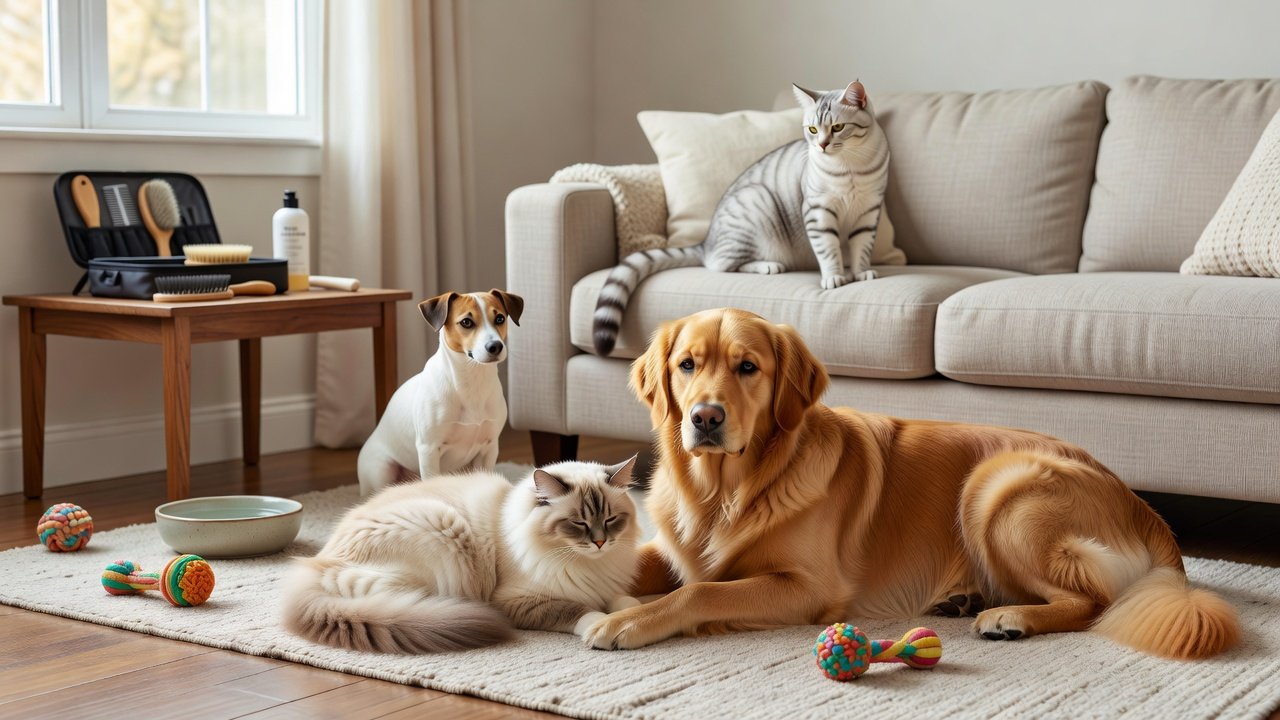
If you’re like me and have ever watched a cat and dog curl up together in a sunbeam, you know the kind of peace that fills a home when the right personalities find each other. What every pet owner who’s adopted knows is that harmony isn’t guaranteed by pedigree alone, but choosing sociable breeds can certainly help turn that dream into a daily reality. My own trio of rescue cats has taught me that patience, early socialization, and a little faith go a long way toward building those interspecies friendships.
Certain cats seem naturally wired for life with canine companions, carrying calm temperaments, lower prey drives, and an openness to sharing space without turning territorial. When I think about welcoming a new feline into a household that already has a dog, I always consider the dog’s energy level, training, and the cat’s background. Breeds with dog-like qualities often end up forming playful bonds instead of keeping their distance. Gradual introductions paired with plenty of positive reinforcement help everyone feel safe, and I’ve seen how reducing stress protects both animals’ health, cutting down on anxiety-related vet visits that no one wants.
Among the breeds that tend to thrive in these mixed homes are the Maine Coon, known for its loyal, sturdy presence that lets it stand its ground during playful roughhousing; the Ragdoll, whose relaxed nature keeps it steady even around bouncy puppies; the gentle Birman, always eager for companionship from anyone with fur or without; and the curious Abyssinian, whose high energy often sparks fun games that bring the whole crew closer. American Shorthairs and Persians also fit well thanks to their adaptable, moderate-energy ways. As a rescue advocate, I love pointing out that many shelter cats carry similar easygoing traits, so adoption remains the most heartwarming route even when you have a specific temperament in mind.
The Maine Coon deserves special mention as one of the most dog-friendly cat breeds on the market. Often called “gentle giants,” these cats can weigh between 10 and 25 pounds, giving them the physical presence and confidence to hold their own with most dogs. They’re remarkably vocal and affectionate, frequently following their owners from room to room much like a canine companion would. Maine Coons have a playful, patient demeanor that translates beautifully when living alongside dogs, and they rarely exhibit the aloof behavior stereotypically associated with cats. Their loyalty to their human families extends naturally to other pets, making them an excellent choice for multi-pet households.
The Ragdoll breed brings its own unique charm to dog-friendly homes. These striking blue-eyed cats are known for their tendency to go limp when picked up, a trait that speaks to their incredibly relaxed and trusting nature. Ragdolls thrive on companionship and actually become lonely without regular interaction, which means they’re far more likely to welcome a dog’s presence than shun it. Their laid-back temperament means they’re less likely to escalate conflicts or react defensively, making them ideal partners for dogs that need a calm, patient feline housemate. Many Ragdoll owners report that their cats actively seek out their dogs for play and comfort, blurring the lines between species in the most delightful ways.
The Birman cat combines beauty with exceptional social skills. These medium-sized cats are notably people-oriented and maintain that friendliness toward other animals as well. Birmans are less likely to be triggered by a dog’s normal play behaviors, and their moderate energy level matches well with most household dogs. They’re intelligent and can learn routines quickly, often adapting their schedules to match those of their canine siblings. Their gentle disposition means they’re also less likely to initiate aggressive interactions, creating a more harmonious dynamic from the start.
The Abyssinian, while more energetic than some of the breeds mentioned, brings infectious enthusiasm that many dogs find engaging rather than threatening. These cats are incredibly active and intelligent, requiring both mental and physical stimulation. When raised with dogs, Abyssinians often see them as perfect play partners, engaging in chase games and interactive play that keeps both animals mentally enriched. Their athletic build and quick reflexes mean they can hold their own during play without getting injured, and their fearless nature prevents them from developing anxiety around their canine housemates.
Training and slow, supervised meetings make all the difference. Start with scent swapping using each animal’s bedding, then move to short, leashed or gated face-to-face sessions in neutral territory. Reward every calm moment with treats and praise, and give both pets their own food bowls, litter boxes, and resting spots so no one feels they have to compete. Teaching a dog simple cues like “leave it” helps respect the cat’s boundaries, while watching for changes in appetite or grooming can catch stress early. Over weeks, that trust builds, and before long you might catch them grooming each other or napping side by side.
It’s worth noting that the age at which you introduce these animals matters significantly. Kittens and puppies raised together from a young age are far more likely to view each other as littermates than as potential competitors or prey. However, adult cats and dogs can absolutely form bonds if the introduction process is handled thoughtfully. Adult cats that have had positive experiences with dogs in their past are generally more receptive than those with little exposure to canines. Similarly, dogs with a calm temperament and proper training respond much better to cats than anxious or prey-driven dogs do, regardless of the cat breed involved.
The physical environment plays a crucial role in successful multi-pet harmony. Cats need vertical spaces where they can escape and observe from a safe distance, so investing in cat trees, shelves, or wall-mounted perches isn’t just about enrichment—it’s about providing security. Dogs should have their own spaces too, whether that’s a dog bed in a quiet corner or a crate where they can retreat. Separate feeding areas prevent resource guarding, and having multiple litter boxes (the veterinary rule of thumb is one per cat plus one extra) reduces territorial conflicts around bathroom spaces. Creating these physical boundaries actually reduces the need for intervention and allows both animals to feel secure.
Studies and veterinary data back this up: about 65 percent of households with both cats and dogs report smooth sailing when sociable breeds are chosen. Maine Coons and Ragdolls often show the lowest stress markers, early socialization before twelve weeks can boost success rates by up to 80 percent, regular exercise for everyone cuts territorial spats by 45 percent, and breeds like the Birman tend to need fewer anxiety-related interventions in multi-pet homes.
Understanding prey drive is essential when selecting a cat breed for a dog household. Some dog breeds have been selectively bred for thousands of years to chase and catch small animals, which can trigger a cat’s flight response and potentially lead to dangerous encounters. Conversely, certain cat breeds have lower prey drives and are more likely to see a dog as a fellow family member rather than a competitor. The breeds mentioned throughout this article generally fall into that lower prey-drive category, making them naturally more compatible with canine companions regardless of the dog’s hunting heritage.
Beyond breed selection, ongoing attention to both animals’ needs keeps the peace sustainable. Regular playtime and exercise for your dog prevents the restlessness and frustration that can fuel inappropriate interactions. Environmental enrichment for your cat—puzzle feeders, window perches, interactive toys—keeps them mentally stimulated and reduces the stress that can lead to behavioral problems. Veterinary check-ups for both animals ensure that any health issues contributing to irritability or behavioral changes are caught early. Sometimes what looks like incompatibility is actually pain or illness manifesting as behavioral changes.
Choosing animals that fit together turns potential chaos into the kind of companionship that makes every day brighter. With thoughtful introductions, consistent training, and a focus on everyone’s well-being, those mixed households become the very places where rescue stories keep unfolding happily for years. When you combine the right breed temperament with patience, proper management, and genuine commitment to both animals’ needs, you create a home where cats and dogs don’t just coexist—they truly thrive together.
Sources
- American Kennel Club (AKC) – Official dog breed standards and information
- ASPCA – Pet care guidance for cat health and behavior
- Popular Large Cat Breeds and Care Needs
- Top Family-Friendly Cat Breeds With Gentle Natures
- Facts About Rare Cat Breeds Gaining Popularity
- Most Intelligent Cat Breeds Ranked for Owners
- Tips for Safely Introducing a New Cat to Dogs