
Facts About Rare Cat Breeds Gaining Popularity
“`html
Rare cat breeds gaining popularity have caught the attention of owners looking for something beyond the everyday domestic shorthair. These uncommon varieties often come with striking physical traits, distinct genetic backgrounds, and temperaments that reward careful handling, which in turn draws more people into researching specialized feline care.
From a clinical standpoint, what owners miss here is how social media has accelerated demand for these cats without always pairing it with realistic expectations around their health and behavioral needs. In my years as a vet tech, I’ve seen this situation countless times where a striking photo leads to an adoption before anyone has lined up a breeder who performs proper genetic screening.
Many of these lines trace back to isolated populations or spontaneous mutations. The Lykoi, for instance, carries a natural variant that produces its patchy coat. That same mutation requires attentive dermatological monitoring because the sparse fur can leave skin more vulnerable to environmental irritants. Ethical breeders now routinely test for related markers, aligning with standard veterinary protocols that emphasize proactive genetic workups.
Platforms such as Instagram and TikTok have certainly increased visibility for breeds like the Peterbald and Khao Manee. The upside is greater awareness of training options; the downside is that new owners sometimes underestimate how much daily interaction these intelligent cats need to avoid stress-related behaviors.
The Lykoi’s dog-like loyalty and problem-solving ability make it particularly responsive to structured training sessions. Clicker methods that mark desired behaviors work well here, just as they do with many working dogs. Owners who commit to short, consistent sessions report fewer litter-box issues and stronger bonds overall.
Khao Manee cats from Thailand typically show high energy paired with an all-white coat and often mismatched eyes. Their play drive responds best to positive reinforcement schedules that include puzzle feeders and scheduled interactive time. In practice, thirty minutes of focused engagement daily helps channel that energy and supports both mental and physical health.
Peterbalds, developed in Russia, present varying degrees of hairlessness and an active build. Temperature regulation becomes a clinical priority for them, and their skin needs regular moisturizing to prevent dryness and secondary infections. Families who establish a consistent grooming routine alongside a high-protein diet tend to see fewer dermatology visits.
Tailored nutrition supports the elevated metabolisms common in active rare breeds. Puzzle toys and scheduled play not only meet exercise requirements but also reduce boredom-driven habits that frequently show up in clinic histories. From a training perspective, these tools double as enrichment that strengthens the human-animal bond.
Routine veterinary care should target breed-specific risks, such as skin sensitivity in hairless varieties, while maintaining standard vaccination and parasite protocols. Genetic diversity from responsible sources does lower the incidence of certain hereditary conditions, though owners still benefit from baseline bloodwork and regular dermatologic exams.
Clicker training paired with positive reinforcement improves outcomes across multiple behaviors, including leash walking and reliable litter-box use. Registrations for breeds like the Lykoi have risen more than 40 percent in recent years, and success rates climb notably when owners apply methods matched to each cat’s cognitive style. Peterbalds benefit from daily skin care, while Khao Manee cats thrive on consistent play that meets their activity threshold.
The Bengal cat, while becoming more mainstream, still falls into the rare-to-specialty category for many regions. Bengals carry ancestry from Asian leopard cats, which contributes to their striking spotted or marbled patterns and their notably high intelligence and athleticism. These cats often require more space than typical domestic breeds—a dedicated cat room or access to secure outdoor enclosures significantly improves their wellbeing. Their climbing instinct is pronounced, making tall, sturdy cat trees not merely optional but essential infrastructure. Many Bengal owners report that their cats enjoy water play more than typical felines, and some even learn to walk on leashes with proper conditioning from a young age.
The Sphynx cat, recognizable by its complete lack of fur, has experienced particular popularity growth due to celebrity ownership and viral social media content. However, prospective owners need to understand the substantial time commitment these cats demand. Weekly baths become necessary because oil buildup on hairless skin can create odor issues and skin problems. The Sphynx’s large ears require regular cleaning, and their heightened sensitivity to temperature means they need warm environments, sweaters in cooler months, and protection from direct sun exposure that can sunburn exposed skin. Veterinary costs for Sphynx cats tend to run higher due to breed-specific health monitoring, making them one of the more expensive rare breeds to maintain long-term.
The Savannah cat, another increasingly popular breed, combines serval ancestry with domestic cat genetics to produce a tall, slender cat with distinctive spotted markings and an athletic, dog-like demeanor. F1 and F2 Savannahs (first and second generation from serval ancestors) require experienced owners comfortable with cats that demand significant space, outdoor access when possible, and mental stimulation comparable to working dogs. These cats often bond intensely with their primary caregivers and can exhibit separation anxiety if left alone for extended periods. Their prey drive remains strong, so households with small rodents or birds should reconsider this breed choice.
Ocicats, despite their wild appearance with their spotted coats and muscular builds, are fully domestic cats that result from specific breeding between Siamese, Abyssinian, and American Shorthair lines. They’re notably less demanding than Savannahs but still require interactive play and mental engagement. Ocicats are highly social and typically do better in households where they receive regular human interaction. They’re vocal cats that will communicate with their owners extensively, which appeals to some people but may frustrate those seeking quiet companions.
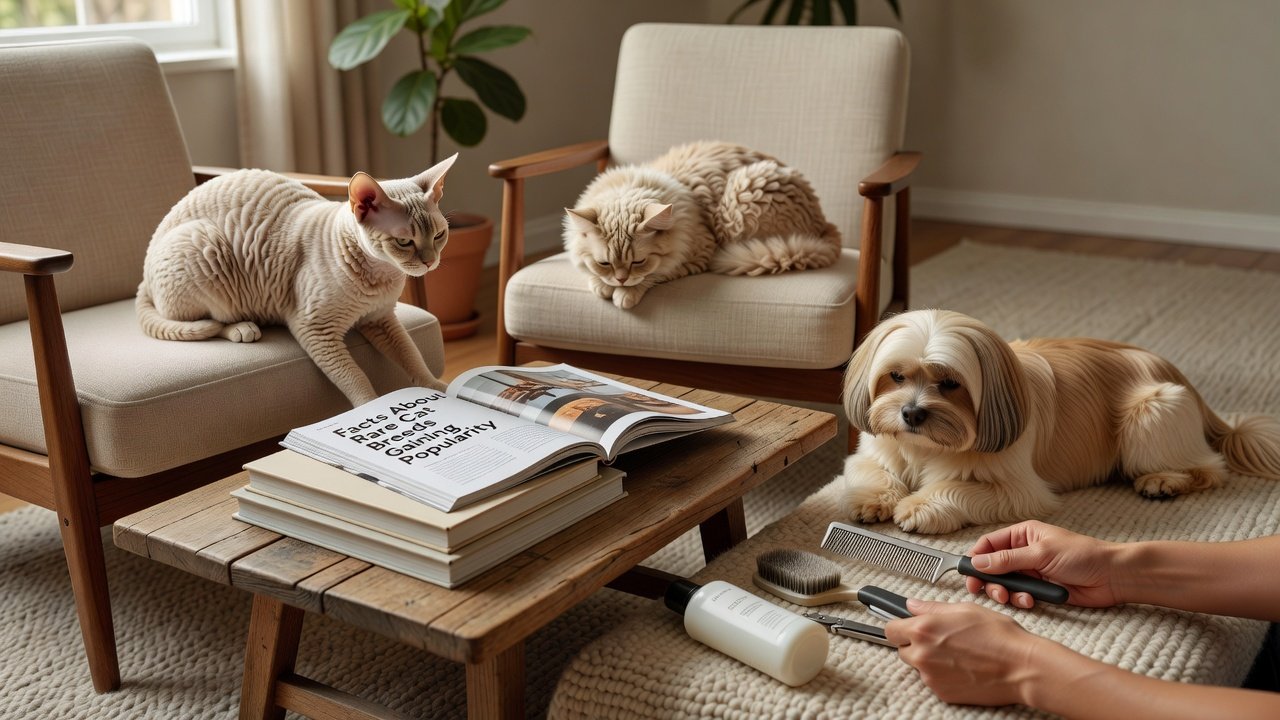
The Cornish Rex and Devon Rex breeds, with their distinctive soft, curly or wavy coats and large ears, have gained renewed attention in recent years. These cats are exceptionally people-oriented and somewhat mischievous, enjoying puzzle toys and interactive games that challenge their active minds. Their unique coat structure requires gentle handling during play to avoid matting, and they benefit from regular—though not excessive—brushing. Both breeds tend to run warm and enjoy cozy sleeping spots and warm environments, making them ideal for people who spend significant time at home.
Understanding the financial commitment before acquiring a rare breed proves essential. Beyond the initial purchase price, which can range from $500 to over $5,000 depending on the breed and breeder, owners should budget for premium nutrition, regular veterinary care with specialists available for breed-specific issues, environmental enrichment supplies, and potentially grooming or specialized care equipment. Insurance for rare breeds sometimes costs more due to breed-specific health risks.
The ethical dimension of rare breed popularity deserves serious consideration. Responsible breeders maintain detailed health records, conduct genetic testing, and selectively breed only healthy animals with good temperaments. They often have waiting lists and screen potential owners carefully. Conversely, unethical breeders and backyard operations may prioritize profits over animal welfare, producing kittens prone to hereditary health problems and behavioral issues. Prospective owners should expect legitimate breeders to ask them detailed questions, provide health guarantees and contracts, and welcome facility visits. Any breeder who seems primarily motivated by quick sales or has multiple litters available immediately warrants skepticism.
Rescue organizations increasingly specialize in rare and specialty breeds, offering an alternative to purchasing from breeders. Many adopters find that adult rare breed cats, already socialized and past the demanding kitten stage, integrate smoothly into homes and often cost significantly less than purchasing a kitten. Some breed-specific rescues maintain waiting lists of people seeking to rehome cats when circumstances change, providing ethical alternatives to high-volume breeding.
Community engagement through breed clubs and online forums can dramatically improve ownership outcomes. Experienced owners frequently share breed-specific care tips, training strategies, and vendor recommendations. Many breed clubs maintain breeder directories and can connect prospective owners with ethical sources. These communities also provide valuable perspective on whether a particular rare breed aligns with an individual’s lifestyle, living situation, and experience level with cats.
The long-term trend suggests that rare cat breeds will continue gaining popularity, driven by social media exposure and increasing accessibility through responsible breeding programs. However, the most successful outcomes consistently correlate with owners who thoroughly research their chosen breed before acquisition, establish relationships with veterinarians experienced in specialty breeds, and remain committed to meeting the specific physical, behavioral, and social needs these cats require. When these elements align, rare cat breeds deliver deeply rewarding relationships that justify the extra effort and investment required.
Rare cat breeds gaining popularity can deliver deeply rewarding relationships when owners invest in the right combination of veterinary oversight, targeted nutrition, and evidence-based training. Responsible sourcing and ongoing education remain the foundation for keeping these cats
Related Posts
- Popular Large Cat Breeds and Care Needs
- Top Family-Friendly Cat Breeds With Gentle Natures
- Cat Breeds That Get Along with Dogs
- Most Intelligent Cat Breeds Ranked for Owners
- Top 10 Most Popular Cat Breeds in America