
Popular Large Cat Breeds and Care Needs
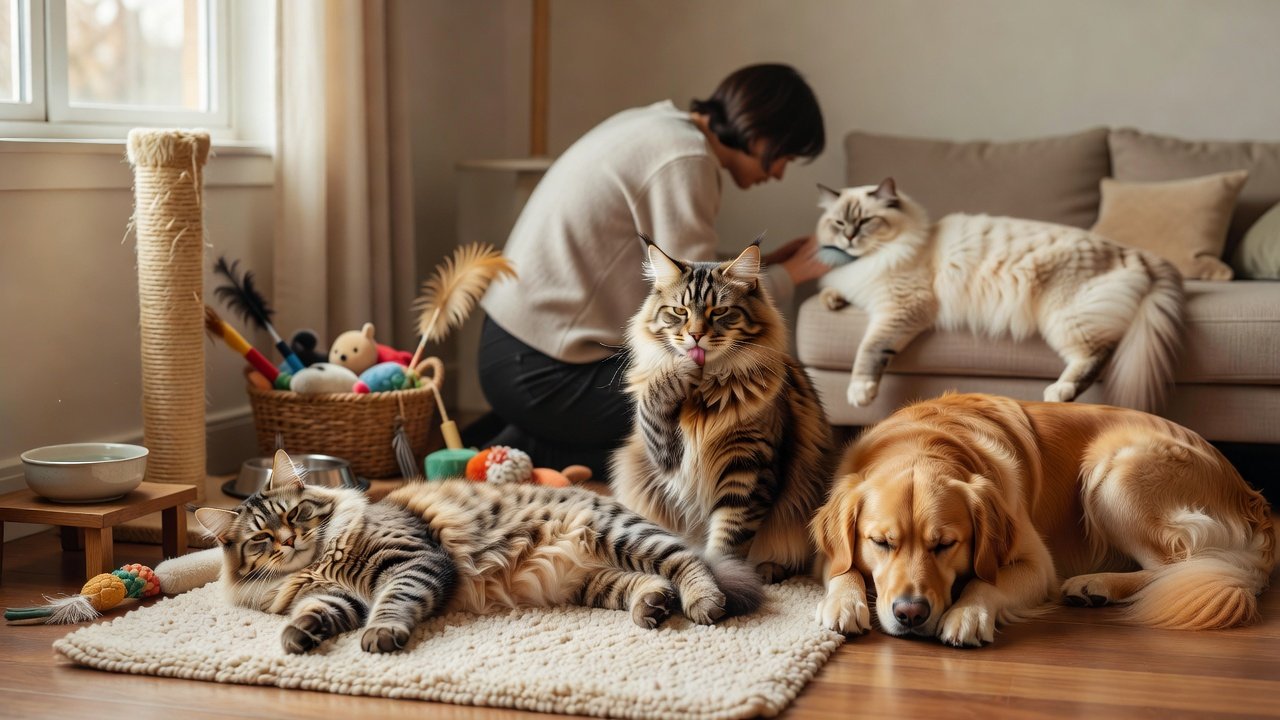
When you open your heart to adopting a cat who’s built on the bigger side, you quickly learn that these gentle souls come with their own beautiful rhythms and needs. My rescue cats have taught me that size doesn’t define sweetness—it just means more love to wrap your arms around, and a little extra thoughtfulness in how you care for them day to day. What every pet owner who’s adopted knows is that these majestic companions, often tipping the scales past fifteen pounds, reward that attention with bonds that feel like family.
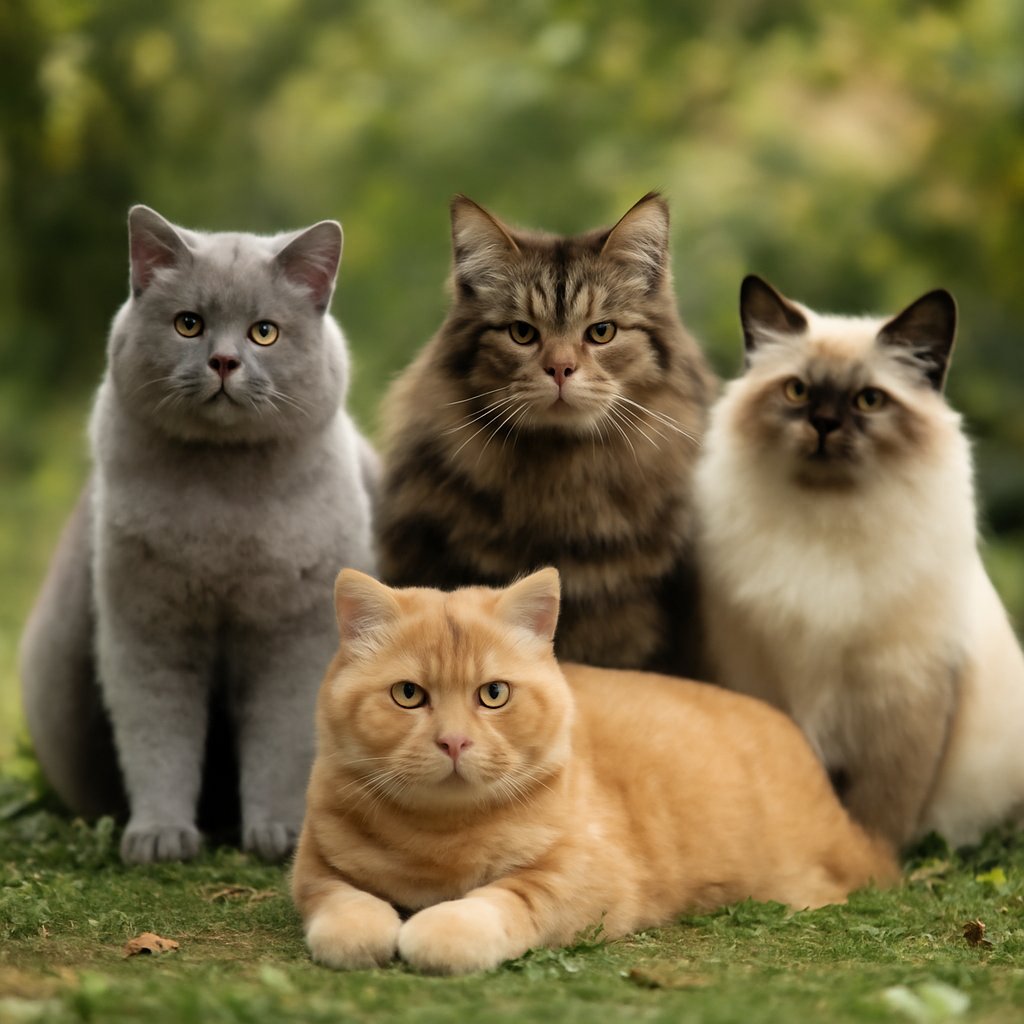
Take the Maine Coon, for instance, that legendary gentle giant many of us first meet through rescue networks. These cats can grow to twenty or twenty-five pounds, with their signature tufted ears, bushy tails, and flowing coats. They carry a North American heritage and a personality full of loyalty that feels almost dog-like, which makes them wonderful additions to homes with kids or other pets. Their care calls for regular brushing to keep that luxurious fur tangle-free and a high-protein diet that fuels their strong frames. I always remind fellow adopters that joint support becomes part of the routine for these larger builds, along with plenty of climbing spots and play that taps into their hunting spirit. With steady love, they often share twelve to fifteen years of companionship.
Maine Coons have fascinated cat enthusiasts for generations, and their history adds to their charm. Legend has it they descended from long-haired cats brought to North America by European sailors, though the true origins remain delightfully mysterious. What’s certain is their remarkable adaptability—their water-resistant coats and tufted paws evolved to handle harsh New England winters. Beyond their physical traits, Maine Coons are remarkably intelligent and vocal, often “talking” to their owners with chirps and trills that make interaction feel like genuine conversation. Many owners report their Maine Coons enjoy playing fetch, walking on harnesses, and even learning commands, blurring the line between feline and canine behavior in the most endearing ways.
Then there’s the Ragdoll, whose floppy, trusting nature when picked up melts hearts in shelters everywhere. Weighing fifteen to twenty pounds with those striking blue eyes and soft semi-long coats, they thrive in calm spaces and gentle handling. What every pet owner who’s adopted knows is that stress hits them harder than most, so a peaceful home and premium wet food help keep them hydrated and comfortable. Their sensitive hearts remind us why rescue culture matters so much—these cats simply want to be held and cherished.
Ragdolls possess a unique trait called “going limp” when picked up, which gives them their breed name and makes handling them feel like cradling a living, purring doll. This docility comes with responsibility—their easygoing nature means they’re less likely to defend themselves against rough play or aggressive animals, making them better suited to calm households and supervised interactions with children. Ragdolls are also prone to a genetic heart condition called hypertrophic cardiomyopathy, making regular cardiac screenings essential. Their tendency toward bladder stones is another consideration, which is why maintaining consistent hydration through wet food, water fountains, and monitoring litter box habits becomes crucial preventative care.
Savannah cats bring a wild spark to the mix, often a result of careful breeding but sometimes appearing in rescue situations as well. Their athletic frames can exceed twenty pounds, and they crave space, puzzle toys, and secure outdoor time when supervised. That adventurous streak means extra vigilance with escapes, yet their energy and affection create unforgettable stories for those who welcome them.
For those considering a Savannah, understanding their unique heritage matters tremendously. These cats are a hybrid cross between domestic cats and African servals, giving them their distinctive spotted coats, long legs, and lean builds that seem built for sprinting. Their metabolism runs hotter than typical cats, sometimes giving them a slightly elevated body temperature, and they require significantly more stimulation than average felines. Interactive play sessions of twenty to thirty minutes daily help channel their boundless energy, while enrichment activities like climbing walls, jumping platforms, and even water play appeal to their adventurous nature. Many Savannahs enjoy learning to walk on leashes and harnesses, though their prey drive demands secure environments where smaller pets are never at risk.
Norwegian Forest Cats, with their thick, water-repellent coats, also find their way into forever homes through adoption. Up to eighteen pounds, they love high perches and benefit from omega-rich meals for coat health, plus regular checks for conditions like hypertrophic cardiomyopathy that can appear in larger breeds.
Norwegian Forest Cats, or “Wegies” as enthusiasts affectionately call them, have earned their place in Scandinavian folklore for centuries, valued as skilled mousers and beloved companions. Their double coat requires serious commitment—weekly brushing during mild seasons escalates to twice or even three times weekly during spring and fall shedding seasons when their undercoat seems endless. Beyond grooming, these cats are natural climbers with an instinctive need for vertical space; providing cat trees that reach ceiling height isn’t a luxury but a necessity for their psychological wellbeing. Their semi-independent nature differs from Maine Coons; Wegies enjoy companionship but appreciate quiet time as well, making them ideal for families seeking affectionate yet less demanding pets.
Caring for any of these big-hearted cats starts with thoughtful nutrition—measured meals twice a day that mix kibble with wet food, plus fresh water from a fountain they actually use. Exercise keeps joints happy and boredom at bay, whether through sturdy cat trees, wand toys, or even leash adventures for the more curious ones. Grooming routines, from weekly brushing to nail trims and dental care, become quiet bonding moments. And spacious litter setups—one extra box than the number of cats—make everyone feel at home.
The nutritional landscape for large cats deserves special attention beyond basic feeding schedules. Large breed cats have different caloric and nutrient requirements than their smaller counterparts, and quality matters profoundly. Look for foods listing real meat as primary ingredients, with adequate taurine content—an essential amino acid critical for heart health in cats. Some large breed cats benefit from joint support supplements containing glucosamine and chondroitin, particularly as they age. Portion control remains essential; obesity in large cats compounds joint stress and increases risk for diabetes and heart disease. Consulting with your veterinarian about breed-specific dietary needs ensures you’re providing optimal nutrition rather than guessing.
Health-wise, biannual vet visits catch weight changes or breed-specific concerns early, while positive training with treats and patience helps with basics like coming when called. My rescue cats have taught me that socialization from the start builds confidence around children and other animals, turning potential territorial moments into peaceful coexistence.
Preventative health care for large cat breeds includes genetic screening when adopting from breeders, though adoption from rescues also provides wonderful opportunities to provide homes for cats who might otherwise be overlooked. Many large breeds carry genetic predispositions to specific conditions: Maine Coons and Norwegian Forest Cats toward hypertrophic cardiomyopathy, Ragdolls toward polycystic kidney disease, and Savannahs toward cardiac and renal issues inherited from their serval ancestry. Regular bloodwork starting around age seven helps catch developing problems early, potentially extending healthy years significantly.
The numbers tell part of the story too: Maine Coons hold the title for largest domestic breed, with males commonly thirteen to eighteen pounds and some record holders over thirty. Ragdolls often reach twelve to fifteen years with attentive heart care. Savannahs burn through thirty percent more calories daily thanks to their lively metabolism. Over sixty percent of large cats face joint challenges without consistent movement and weight management. Norwegian Forest Cats need brushing twice weekly for that double coat, and these bigger felines can comfortably eat up to three hundred calories a day when portions stay controlled.
Creating an environment that supports large cat wellbeing involves more than just standard pet supplies. Heavy-duty, wider litter boxes prevent litter scatter and accommodate larger frames comfortably. Food and water bowls designed for their size reduce neck strain. Window perches rated for heavier weight ensure safe observation of outdoor activity. Strategic placement of cat trees and climbing structures throughout your home encourages movement and mimics natural behaviors that keep their minds engaged.
In the end, choosing adoption for a large cat means committing to their unique needs while gaining years of quiet purrs and head bumps. The emotional bond that forms is something words never quite capture, but every rescue advocate will tell you it’s worth every bit of extra care. Always lean on your veterinarian for guidance tailored to your own furry family member—they’re the best partners in giving these cats the happy
Related Posts
- Top 10 Most Popular Cat Breeds in America
- Cat Breeds Most Popular
- Top Family-Friendly Cat Breeds With Gentle Natures
- Facts About Rare Cat Breeds Gaining Popularity
- Cat Breeds That Get Along with Dogs
- How to Train a Cat to Use Litter