
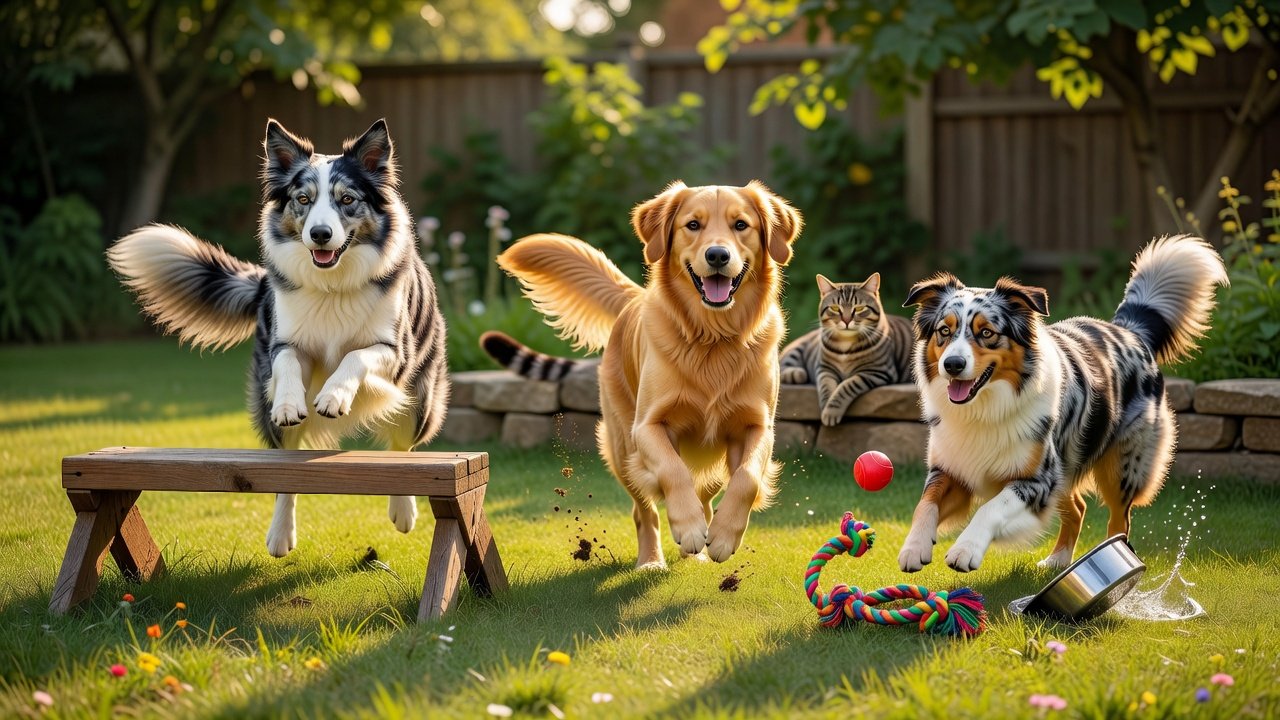
Top Energetic Dog Breeds for Active Families
“`html
When active families crave a loyal four-legged sidekick who matches their pace on trails, morning runs, and backyard games, they often think about those high-energy dog breeds built for adventure. Yet what every pet owner who’s adopted knows is that many of these same dogs land in shelters precisely because their original homes underestimated just how much movement and mental work they need. Choosing adoption over a breeder not only gives one of these spirited pups a second chance but also builds the kind of unbreakable bond that rescue stories are made of.
My rescue cats have taught me that energy looks different on every animal, but the joy of matching a pet’s needs to your lifestyle is universal. Energetic dogs thrive when they get 60 to 120 minutes of solid daily exercise, whether that’s a family jog or weekend hikes. Pairing up with one turns those routines into shared adventures that strengthen emotional ties and keep everyone healthier. Their sharp minds soak up training fast, which cuts down on boredom behaviors like barking or chewing and creates a calmer household. Regular activity also supports healthy joints, weight, and hearts for both the dog and the people walking beside them.
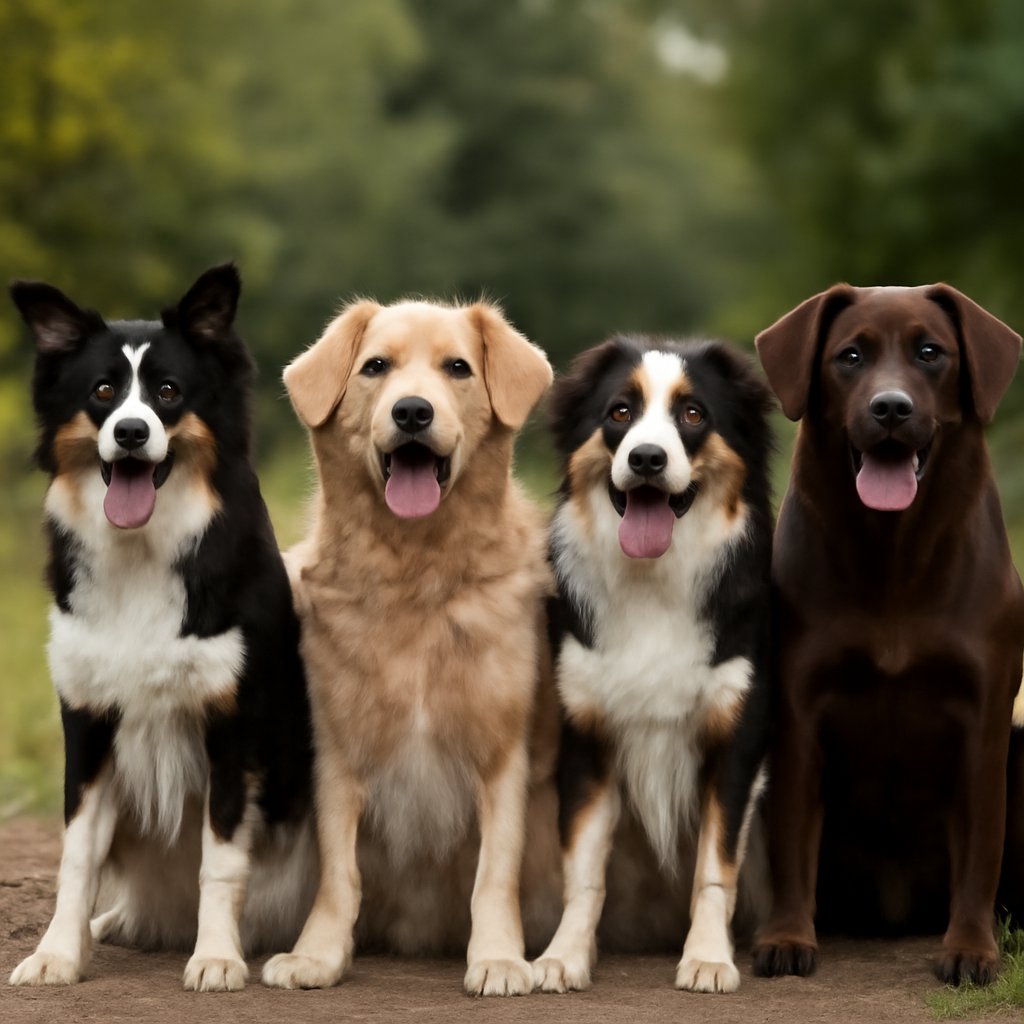
Among standout choices, Border Collies bring legendary stamina and herding drive, shining in agility work when given plenty of mental tasks. Labrador Retrievers mix endless enthusiasm with a sunny temperament that’s perfect for fetch sessions or water play. Australian Shepherds arrive with a lively spirit and strong work ethic that suits long hikes or herding games. Compact Jack Russell Terriers pack intense energy into a smaller frame, ideal for families who love quick games and puzzle toys. Siberian Huskies carry the endurance of their sledding roots and need space plus cold-weather outlets to stay happy. Every one of these breeds does best with early socialization and positive training that channels their drive in positive ways.
Understanding the specific needs of each breed helps families make informed decisions before bringing a dog home. Border Collies, originally developed to herd sheep across Scottish highlands, possess an almost obsessive focus that demands outlets beyond simple walks. These dogs excel when given jobs like advanced obedience training, dock diving, or herding trials. Without adequate mental stimulation, they may develop neurotic behaviors such as obsessive ball chasing or fixating on moving objects. A Border Collie in the right home becomes a remarkably responsive partner, often learning new commands in just a few repetitions. Their intelligence means they quickly pick up on household routines and can even anticipate their family’s needs.
Labrador Retrievers remain America’s most popular breed for good reason—their combination of athleticism and affectionate nature makes them forgiving for first-time active dog owners. Labs were originally bred as retrievers for hunters, which explains their natural love of water and instinct to carry objects in their mouths. This retrieving drive makes them perfect candidates for dock diving competitions or water rescue training. Their food motivation makes them exceptionally easy to train, though families need to monitor portions carefully since Labs have a reputation for overeating. A well-exercised Lab typically maintains a calm demeanor indoors, making them excellent apartment dogs despite their size if they get sufficient outdoor time.
Australian Shepherds, despite their name, were actually developed in the American West to herd cattle and sheep. Their medium size and boundless energy make them ideal for families with acreage or regular access to hiking trails and open spaces. Unlike Border Collies, Aussies tend to be more social and enjoy group activities like family outings or dog parks alongside their solo exercise needs. They develop close bonds with their families and can suffer from separation anxiety if left alone for extended periods. Their striking appearance—often with merle coat patterns and heterochromatic eyes—turns heads, but the real beauty lies in their eager-to-please attitude during training sessions.
Jack Russell Terriers deserve special mention for families living in smaller spaces who still want a high-energy companion. These compact dogs were bred to flush foxes from dens, which explains their fearless, scrappy nature and intense drive. What they lack in size, they make up for in personality and athleticism. A Jack Russell can jump five times its own height and will fearlessly challenge much larger dogs. Families with Jack Russells need secure, tall fencing and should never leave them unsupervised around smaller pets. Their prey drive remains strong throughout their lives, but consistent training and appropriate outlets channel this intensity constructively.
Siberian Huskies bring an entirely different energy profile shaped by their history as sled dogs in Arctic conditions. These dogs were bred to travel long distances in cold weather, giving them exceptional endurance and a thick double coat that sheds dramatically twice yearly. Huskies thrive in cooler climates and struggle in hot, humid environments. They possess a strong pack mentality and bond deeply with their families, but their independent nature means they don’t always respond instantly to commands like Labradors do. Many Husky owners find that activities like skijoring, running alongside a bicycle, or competitive sledding satisfy their dogs’ deepest instincts better than traditional jogging.
Care starts with watching for signs of pushing too hard, like heavy panting, and offering protein-rich meals that match their fast metabolisms. Routine vet visits, including hip checks common in active breeds, keep them thriving. Training flows easiest in short, playful bursts using treats, praise, and toys to nail recall and leash skills. Agility setups help breeds like Aussies burn energy while easing any stress. Watch for breed quirks such as eye concerns in Collies or ear issues in Labs after swims. Balanced nutrition fuels recovery, rest breaks prevent exhaustion, and interactive toys keep clever minds busy between outings. Spay or neuter timing and flea protection round out long-term wellness.
The importance of age-appropriate exercise cannot be overstated, especially for growing puppies. Young dogs with developing bones and joints benefit from shorter, frequent activity sessions rather than marathon outings. Most veterinarians recommend waiting until a large-breed dog reaches full skeletal maturity—around 18 months for some breeds—before engaging in high-impact activities like competitive agility or long-distance running. This precaution prevents joint damage that can manifest as arthritis in middle age.
Border Collies can cover up to 30 miles in a day when conditioned well. Labs usually need 60 to 90 minutes of movement to stay fit and even-tempered. Dogs who get enough activity show about a 40 percent drop in behavior problems, according to veterinary research. Aussies often reach 12 to 15 years with steady care. Joint exercise routines lift family heart health by building consistent outdoor habits. Jack Russells carry one of the strongest prey drives, so secure yards and enrichment toys matter.
Environmental enrichment extends beyond physical exercise and deserves equal attention. Puzzle feeders, sniff games, and scent-tracking activities engage a dog’s natural instincts while burning mental energy. Many high-energy dogs will settle more readily after a session of scent work than after a simple walk, since mental stimulation produces a different kind of fatigue. Rotating toys weekly and introducing new challenges keeps intelligent dogs from becoming bored with their entertainment options.
Winter and extreme weather require special planning for active families. While some breeds like Huskies and Malamutes actually prefer cold temperatures, others struggle with heat or icy conditions. Protective gear like booties for snow and ice can extend outdoor seasons safely. During summer months, early morning or evening exercise prevents heat exhaustion, and always carry water for both human and canine athletes.
Rescue culture reminds us that these lively companions aren’t just pets; they’re family members who repay every mile walked and every game played with unconditional love. Taking time to match a breed’s needs to your household, perhaps by adopting through a local shelter or breed-specific rescue, sets everyone up for years of tail-wagging fulfillment. Many breed-specific rescues exist precisely because experienced owners recognize when a dog isn’t the right fit and work to place these energetic pups in homes where they’ll thrive. By choosing this path, you’re not only gaining a devoted companion but also making space in shelters for other animals in need.
Sources
- AKC Dog Breeds – Official breed standards and characteristics
- ASPCA Dog
Related Posts
- Best Dog Breeds Families
- Top Guard Dog Breeds With Calm Temperaments
- Best Low-Maintenance Dog Breeds for Busy Owners
- Best Dog Breeds for First Time Owners
- Top Protective Dog Breeds for Home Security
- Facts About Lifespan of Different Dog Breeds
- How to Choose the Right Dog Breed for Families