
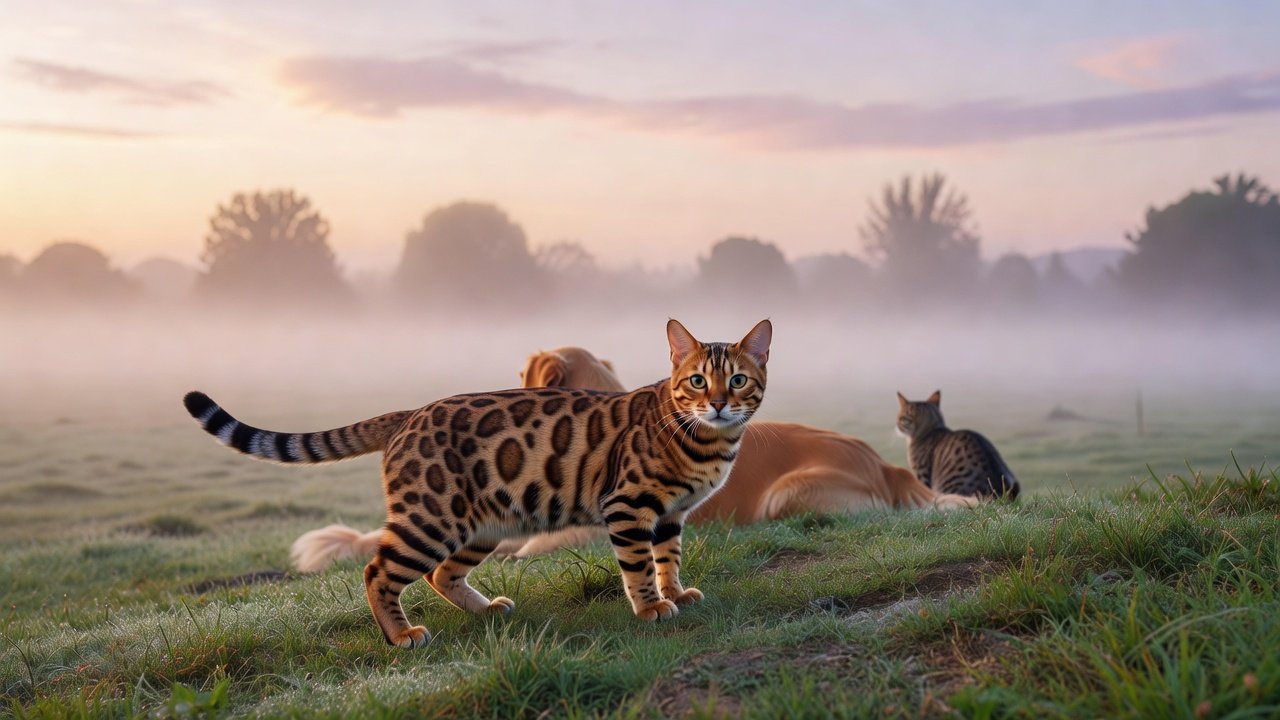
Understanding the Behavior of Bengal Cats
“`html
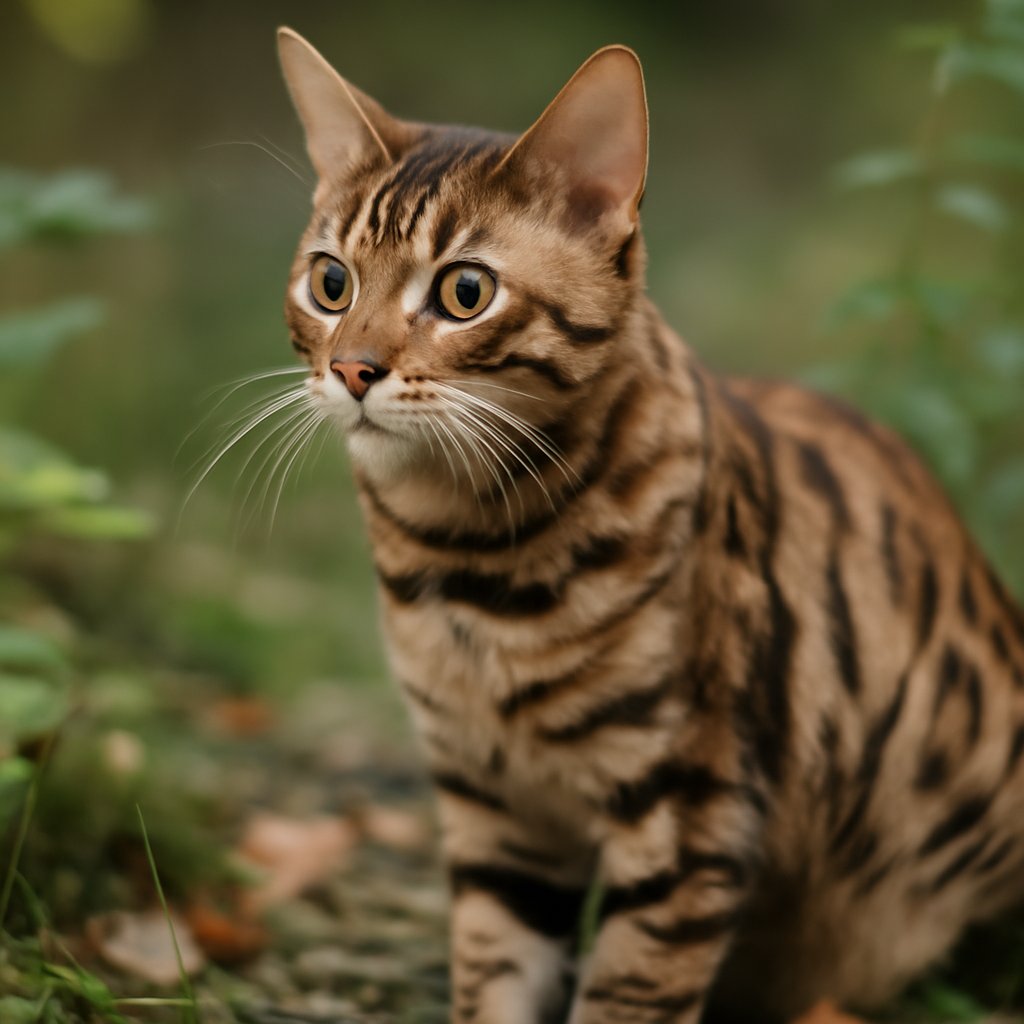
Bengal cats bring a striking mix of wild-derived drive and domestic affection that demands thoughtful management from the start. Their leopard-like patterning is just the surface; underneath lies a high-prey, high-energy temperament rooted in Asian leopard cat ancestry. In my years as a vet tech, I’ve seen this situation countless times where owners underestimate how that heritage translates into relentless climbing, stalking, and object manipulation once the cat is inside a typical apartment.
From a clinical standpoint, what owners miss here is the need to replicate vertical territory and hunting sequences early. Provide sturdy cat trees, wall shelves, and puzzle feeders right away; these aren’t optional luxuries but tools to redirect prey drive and reduce destructive scratching or nocturnal restlessness. Their intelligence responds readily to positive-reinforcement training, so clicker work or treat-based sessions for basic cues like sit or targeting can channel energy productively and lower anxiety in new environments.
Daily routines must account for peak evening activity and a pronounced affinity for water play. Scheduling at least sixty minutes of interactive sessions before bedtime, plus water-based toys or shallow fountains, prevents the vocal demands and pacing that commonly land Bengals back in the exam room for stress-related issues. I’ve watched many athletic individuals maintain healthy weights through this lifestyle, yet still require joint monitoring because repetitive high-impact movement can stress shoulders and hips over time.
Vocalization tends to be frequent, with chattering and chirps serving as clear requests for engagement rather than random noise. Early socialization and consistent response patterns during training help shape these habits, while pair housing or window perches reduce separation distress when owners are away. From a training methodology perspective, leash walks and supervised outdoor time expand safe exploration, but only after solid recall and harness conditioning are in place.
The intelligence factor in Bengal cats cannot be overstated. These animals possess problem-solving abilities that rival some primate species, which means standard cat enrichment often falls short. Interactive puzzle toys that require multi-step solutions, treat-dispensing balls that demand batting and rolling techniques, and even DIY enrichment like toilet paper rolls filled with treats can occupy them productively. Owners who rotate toys every few days report significantly better engagement than those using a static set. This cognitive stimulation is not merely about entertainment—it directly impacts stress hormone levels and reduces anxiety-related behaviors that can manifest as aggression or destructive tendencies.
Understanding Bengal body language is crucial for safe interaction. Unlike typical domestic cats, Bengals often maintain a lower tail carriage during play, which can be misinterpreted as aggression when it actually signals intense focus. Their ears tend to swivel independently and frequently, tracking multiple sounds simultaneously—a trait inherited from their wild ancestors. When a Bengal’s pupils dilate during play, this is normal hunting behavior, not a sign of fear. Learning to distinguish between play aggression and genuine distress through ear position, tail tension, and vocalization patterns helps prevent unnecessary stress during handling or multi-pet introductions.
The genetic influence on Bengal behavior extends beyond just physical traits. Studies on early-generation Bengals (F1 and F2, meaning closer to wild ancestry) show marked differences in trainability and socialization windows compared to later generations. Most pet Bengals are F5 or beyond, meaning they’re sufficiently far removed from wild ancestry to be reliably domesticated. However, individual variation remains high. Some Bengals inherit a more cautious temperament requiring extended socialization periods, while others are naturally bold and exploration-driven from kittenhood. Consulting with a reputable breeder about individual kitten temperament during selection can prevent compatibility issues down the road.
Regarding multi-pet households, Bengals often demonstrate a surprising level of tolerance toward other cats and even dogs when properly socialized early. Their high play drive sometimes exceeds that of other feline companions, requiring careful monitoring to ensure less energetic housemates aren’t overwhelmed. Introducing a Bengal to an established pet should follow gradual protocols: scent introduction through bedding exchange, visual contact through barriers, and supervised interactive sessions before full cohabitation. Some owners report that Bengal cats actually benefit from having a compatible playmate, as peer interaction can satisfy social and play needs that might otherwise be directed toward the owner in demanding ways.
Diet plays an underappreciated role in Bengal behavior management. These cats have higher protein requirements than typical domestic cats due to their elevated metabolism. Feeding high-quality, protein-rich diets (ideally 40% or higher) stabilizes energy levels and reduces hunger-driven attention-seeking. Some behaviorists note that Bengals fed lower-quality diets with excessive carbohydrates show increased anxiety and destructive behavior. Additionally, the feeding schedule itself matters—multiple smaller meals distributed throughout the day more closely mimic the natural hunting and feeding patterns of their wild ancestors, potentially reducing stress and promoting metabolic health.
Environmental design deserves specific attention when housing a Bengal. Unlike typical cats that might be satisfied with a single tall tree, Bengals benefit from wall-to-wall shelving systems that create a three-dimensional highway through your home. Corner-mounted shelves, bridge systems between furniture, and window boxes facilitate their natural desire to survey territory from elevated positions. Creating “hunting zones” with hanging toys at appropriate heights encourages vertical stalking behavior. Some dedicated Bengal owners have installed catios—enclosed outdoor spaces—which provide unparalleled enrichment while maintaining safety. The investment in proper environmental modification often prevents far greater expenses in behavioral rehabilitation or property damage.
Training considerations for Bengals extend beyond basic commands. Many owners successfully teach their Bengals to walk on harness and leash, retrieve objects, and even use the toilet. The key lies in consistent, reward-based methodology and keeping sessions short (5-10 minutes) to match their attention span. Clicker training proves particularly effective because it provides clear communication—the click marks the exact moment of desired behavior, followed immediately by reward. This clarity appeals to Bengal cats’ intelligent, logic-oriented minds. Avoid punishment-based corrections entirely, as Bengals respond by becoming withdrawn or displaying fear-based aggression rather than behavioral change.
Key facts remain consistent across the breed:
– Bengal cats can reach speeds up to 30 mph in short bursts, highlighting their athletic behavior needs.
– They require at least 60 minutes of daily interactive play to maintain optimal mental and physical health.
– Over 80% of Bengal owners report high vocalization levels compared to other cat breeds.
– Proper enrichment reduces behavioral issues by 70% according to feline behavior studies.
– Bengals typically live 12-16 years with consistent pet care and veterinary attention.
– Water affinity appears in approximately 60% of the breed due to genetic influences.
– Intelligence testing shows Bengals can learn complex behavioral sequences faster than most cat breeds, with some mastering tasks in as few as 3-5 repetitions.
Regular wellness exams, current vaccinations, and parasite control stay essential, especially for cats that may dart toward doors or explore supervised outdoor spaces. Monitoring tail twitches for early overstimulation signs allows gentle intervention before play escalates in multi-pet homes. With structured enrichment and reward-based learning, these cats settle into balanced companions that reward attentive care with years of interactive engagement.
The commitment required to properly house a Bengal cat is genuine but absolutely worthwhile for owners prepared to meet their needs. Understanding their behavior as an extension of their unique genetic heritage—part wild hunter, part domestic companion—transforms them from frustrating puzzle into fascinating and deeply rewarding pets. Success with a Bengal hinges on realistic expectations, consistent environmental enrichment, and a genuine appreciation for their high-drive personality.
Sources
“`
Related Posts
- Facts About the Playful Personality of Bengal Cats
- The Fascinating Wild Traits of Bengal Cats
- Preventive Care Tips for Keeping Cats Healthy
- Why Sphynx Cats Need Special Skin Care Routines
- Exploring the History of Siamese Cats
- How to Introduce Cats to Newborn Babies Safely
- What to Know Before Getting Persian Cats
- How to Prevent Obesity in Indoor Cats