
Why Maine Coon Cats Make Great Pets
“`html
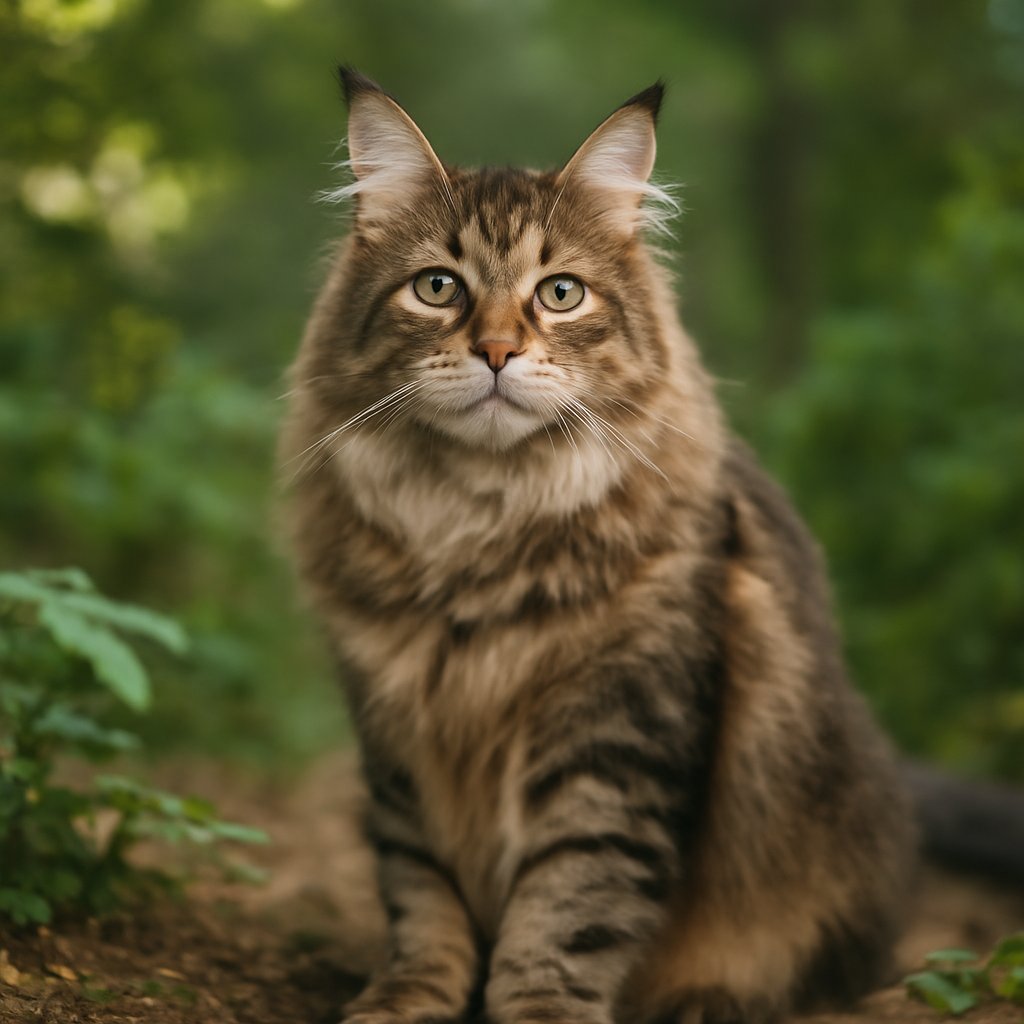
Maine Coon cats stand out as excellent companions for families and individuals looking for a gentle, intelligent pet with a personality that echoes that of dogs. Their large frame, ear tufts, and full tails give them a commanding presence, yet their affectionate habits set them apart from many other breeds. Whether you are bringing home your first cat or adding to an existing household, these animals reward consistent care with loyalty and adaptability.
From a clinical standpoint, what owners miss here is how their farm-cat origins in Maine shaped a tolerance for group living that translates well to modern homes. In my years as a vet tech, I’ve seen this situation countless times where Maine Coons greet owners at the door or trail them through daily routines without the aloofness common in other breeds.
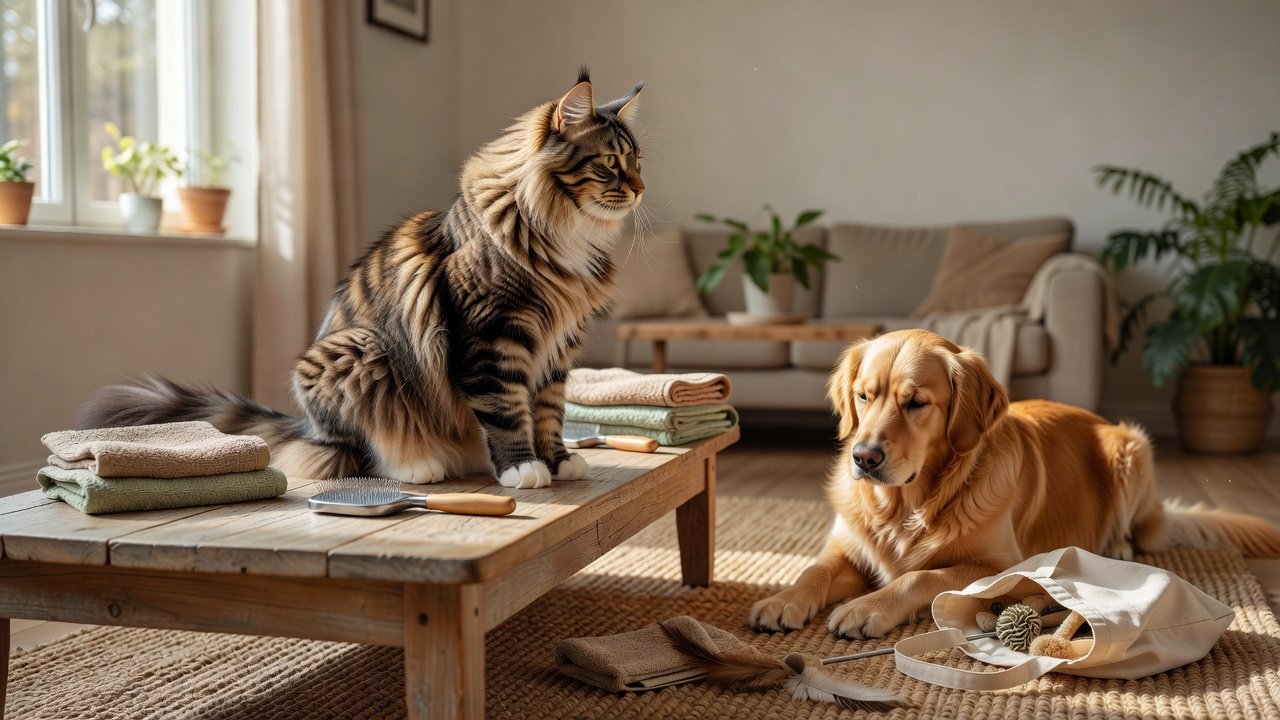
Their calm response to children and other pets stems from early socialization, which reduces scratching risks during play. When introduced properly to multi-pet homes, they integrate smoothly with dogs and cats alike, especially if interactive sessions begin young. These play periods also supply the mental engagement their active minds require.
One reason they respond so well to training lies in their problem-solving ability, which rivals some dog breeds. Positive-reinforcement methods, including clicker work, allow them to master commands, puzzle feeders, and even leash walking. In my experience handling both feline and canine patients, Maine Coons that receive consistent sessions avoid boredom-driven issues such as excessive vocalizing or clawing furniture.
Providing cat trees, window ledges, and wand toys channels their climbing and hunting drives while supporting joint health and weight control. Routine play also lets owners monitor changes in mobility or appetite early.
While their dense coats need weekly brushing to prevent mats, overall upkeep stays manageable. Annual exams should target hip dysplasia and hypertrophic cardiomyopathy, conditions more frequent in larger breeds. Balanced nutrition focused on joint support becomes especially important as they age.
Monitoring for dental disease and ensuring constant fresh water access helps maintain kidney function. Spaying or neutering lowers certain cancer risks, and indoor living limits exposure to trauma. With attentive care, these cats commonly reach 12 to 15 years.
Key points to keep in mind include their status as Maine’s official state cat and one of North America’s oldest natural breeds, with documentation from the 1800s. Adult males may reach 25 pounds and 40 inches in length. Polydactyly appears more often than in other cats, a trait once useful in snowy conditions. Their vocalizations lean toward soft chirps rather than loud meows. Research confirms they adjust to apartments when given adequate enrichment. Responsible health screening by breeders has improved longevity over the past decade.
Maine Coons possess a remarkable independence paired with social awareness that makes them uniquely suited to various living situations. Unlike some cat breeds that demand constant attention or prefer solitude, Maine Coons thrive when they can choose their level of interaction. They excel at entertaining themselves during work hours while remaining eagerly available for evening companionship. This balance reduces owner guilt during busy periods and prevents the destructive behaviors that emerge when cats feel neglected or under-stimulated.
The breed’s water affinity distinguishes it further from typical cat behavior. Many Maine Coons enjoy playing with water, some willingly bathing, and others participating in activities around water bowls or fountains. This trait, likely inherited from their maritime heritage, opens additional enrichment possibilities. Interactive water fountains serve dual purposes: they provide mental stimulation while encouraging hydration, which supports kidney health throughout the cat’s life.
Cost considerations matter when planning for a Maine Coon, as their larger size translates to higher food expenses compared to average domestic cats. Quality cat food formulated for large breeds typically costs more, but investing in premium nutrition pays dividends through reduced veterinary visits and improved longevity. Prospective owners should budget accordingly for food, litter, and preventive care to ensure they can maintain the consistent support these cats need.
Grooming goes beyond simple mat prevention. The brushing routine establishes bonding time between owner and cat, allows early detection of skin issues or parasites, and manages shedding effectively. Many Maine Coons come to enjoy grooming sessions when introduced gently as kittens. Some owners find that regular nail trimming, ear cleaning, and dental care sessions become welcome rituals rather than necessary chores. The key involves patience and positive associations, rewarding calm behavior during handling.
For families with young children, Maine Coons demonstrate surprising patience during play. Their size means they can physically handle boisterous interaction without injury, and their calm temperament prevents aggressive responses to accidental tail pulls or pouncing. Still, teaching children appropriate pet handling remains essential. Maine Coons will communicate boundaries through body language—tail position, ear orientation, and vocalizations—giving attentive children clear feedback about when the cat needs space.
The breed’s compatibility with dogs deserves special attention for multi-pet households. Maine Coons often initiate play with canine companions and possess the confidence to stand their ground without escalating conflict. Their activity level matches many dog breeds, allowing for shared play sessions and enrichment activities. However, matching energy levels between specific dog and cat individuals remains important. A high-energy Maine Coon may exhaust a low-energy senior dog, while a boisterous puppy could overwhelm a particularly calm Maine Coon.
Indoor living provides significant health advantages for Maine Coons, protecting them from trauma, communicable diseases, and parasites prevalent in outdoor environments. Modern indoor enrichment—cat trees, window perches, puzzle toys, and interactive play—satisfies their natural instincts without exposing them to outdoor hazards. Some owners successfully train Maine Coons to walk on harness and leash, providing outdoor stimulation while maintaining safety.
The decision to work with a responsible breeder versus adoption through rescues involves personal circumstances. Breeders should provide health testing documentation for both parents, showing screening for hip dysplasia and cardiac conditions. They typically offer support and guidance throughout the cat’s life. Rescue organizations sometimes have Maine Coons or Maine Coon mixes available, providing the opportunity to give an older or displaced cat a second chance while potentially saving adoption costs.
By combining structured training, regular grooming, and targeted veterinary monitoring, owners give Maine Coons the foundation to thrive. Their blend of size, intellect, and sociability delivers steady companionship when the basics of feline care are followed.
Sources
“`