
The Fascinating Wild Traits of Bengal Cats
If you’ve ever looked at a Bengal cat and thought they seemed straight out of the jungle, you’re not imagining things. These striking felines carry a touch of the wild in their DNA, thanks to their unique ancestry. As a pet owner considering a Bengal or already sharing your home with one, understanding their wild traits can help you provide the best care and appreciate what makes them so special. In this guide, we’ll explore the characteristics that set Bengals apart while offering practical tips for living happily with these energetic companions.
Bengal cats trace their roots back to a cross between domestic cats and the Asian leopard cat, a small wild feline native to Southeast Asia. This hybrid origin gives Bengals their signature spotted or marbled coats and athletic builds. While modern Bengals are several generations removed from their wild ancestors and are fully domesticated, many of those primal instincts remain. Responsible breeders focus on creating affectionate, healthy cats that retain just enough of that exotic flair without the challenges of true wild animals. Knowing this heritage helps you understand why your Bengal might suddenly leap across the room or stare intently out the window at birds. From a clinical standpoint, what owners miss here is how that hybrid vigor translates into higher baseline activity levels—I’ve seen countless Bengals in the clinic who need structured outlets or they develop stress-related issues like overgrooming.
Because of their background, Bengals often display higher energy levels than many other domestic breeds. They thrive on interaction and mental stimulation, much like their wild relatives who hunted in varied terrains. This doesn’t mean they require a jungle habitat, but it does mean they appreciate vertical space, puzzle toys, and interactive play sessions to stay content. In my years as a vet tech, I’ve seen this situation countless times with Bengals whose owners underestimate that drive, leading to frustration on both sides until we implement consistent enrichment protocols.
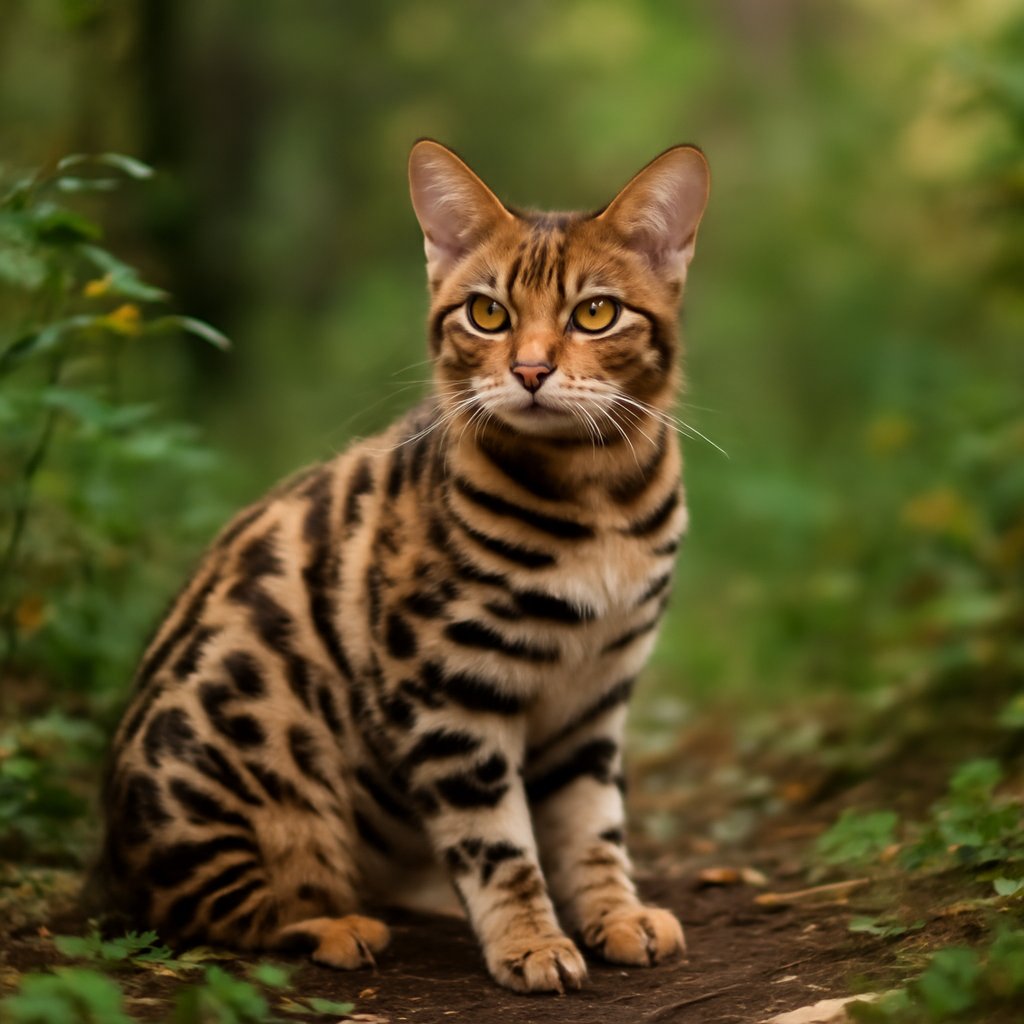
The most obvious wild traits in Bengal cats appear in their appearance. Their coats feature bold rosettes, arrowhead spots, or flowing marbled patterns that mimic the markings of leopards and other big cats. These patterns aren’t just for show—they helped wild ancestors blend into forest environments. Bengals also tend to have a sleek, muscular body, long legs, and a distinctive glitter to their fur that catches the light like dew on leaves. Large, expressive eyes often in shades of gold or green, prominent cheekbones and a slightly rounded forehead, a thick tail that can feature rings or spots, and webbed toes in some lines, a trait passed down from their wild forebears, all stand out. These features make Bengals stand out at cat shows and in homes, but they also require regular grooming to keep that wild coat healthy and shiny. Training methodology comes into play here too—gentle desensitization to brushing from kittenhood prevents coat matting issues I routinely address in practice.
Beyond looks, Bengal cats exhibit personality traits that reflect their heritage. They are famously curious and intelligent, often learning to open doors, turn on faucets, or solve food puzzles with ease. Many Bengals enjoy water play, a behavior linked to their Asian leopard cat ancestors who lived near rivers and streams. This love of water can make bath time easier than with other cats, but it also means you’ll want to secure toilet lids and cover aquariums. These cats form strong bonds with their families and can be quite vocal when they want attention. Their playful, sometimes mischievous nature keeps life interesting, but it also means they do best in homes where someone can engage with them daily. Without enough stimulation, a Bengal might channel their wild energy into unwanted behaviors like excessive climbing or chewing. From a clinical standpoint, what owners miss here is the link between unmet predatory drive and gastrointestinal upset from stress—redirecting that energy through clicker-based training sessions often resolves it quickly.
Channeling those wild instincts positively makes all the difference. Provide cat trees, window perches, and rotating toys to satisfy their hunting drive. Clicker training works well with Bengals because of their sharp minds, and many enjoy learning tricks like fetching or walking on a leash. Meeting the needs of a Bengal means embracing their active lifestyle. Feed a high-quality diet that supports their muscular build, and consider puzzle feeders to make mealtime more engaging. Regular veterinary checkups are essential, as some lines can be prone to certain genetic conditions inherited from their hybrid background. Always choose a reputable breeder who health-tests their cats to give your pet the best start. Creating a Bengal-friendly home involves offering plenty of opportunities for climbing and exploring. Rotate toys frequently and consider adopting a second cat if your schedule keeps you away for long periods—these social felines often enjoy company.
Living with a Bengal cat is a rewarding experience filled with energy, affection, and plenty of entertainment. By understanding and respecting their wild traits, you can build a deep connection while ensuring your feline friend lives a safe, fulfilled life. With the right environment and plenty of love, your Bengal will thrive as a cherished member of the family for years to come.