
History and Traits of the Persian Cat Breed
“`html
There’s something so captivating about the Persian cat—the kind of feline whose silky coat and gentle gaze can turn an ordinary afternoon into a moment of pure connection. As someone who’s built a life around rescue cats, I know firsthand how these elegant companions can bring a sense of calm and belonging to a home. My three rescues have taught me that the deepest bonds often form not through perfection, but through the quiet understanding that grows when you commit to an animal for life. Whether you’re considering adoption or simply curious about this storied breed, understanding their background helps us give them the thoughtful care they deserve.
The Persian’s story stretches back centuries to the region once known as Persia, now Iran, where longhaired cats were noted as early as the 17th century. Italian traveler Pietro della Valle brought early examples to Europe around 1620, drawn to their luxurious fur and dignified presence. From there the cats traveled to France and England, where they became favorites among the nobility. By the late 1800s, careful breeding in the United Kingdom shaped the flatter muzzle and dense coat we recognize today. Their popularity grew in the United States through early cat shows and dedicated fanciers who developed the many color variations we see now. What every pet owner who’s adopted knows is that these historical threads remind us how our animals carry echoes of distant places into our everyday lives.
The breed’s development during the Victorian era was particularly influential in establishing the standards we follow today. British breeders were meticulous in selecting for specific traits, including the increasingly flat face and longer, thicker coat. The first cat shows in London during the 1870s featured Persians as star attractions, and they quickly became status symbols among the wealthy. This breeding focus created both the stunning aesthetic we admire and some of the health challenges the breed faces. Understanding this history helps us appreciate why responsible breeding practices and genetic testing have become so important for the breed’s long-term welfare.
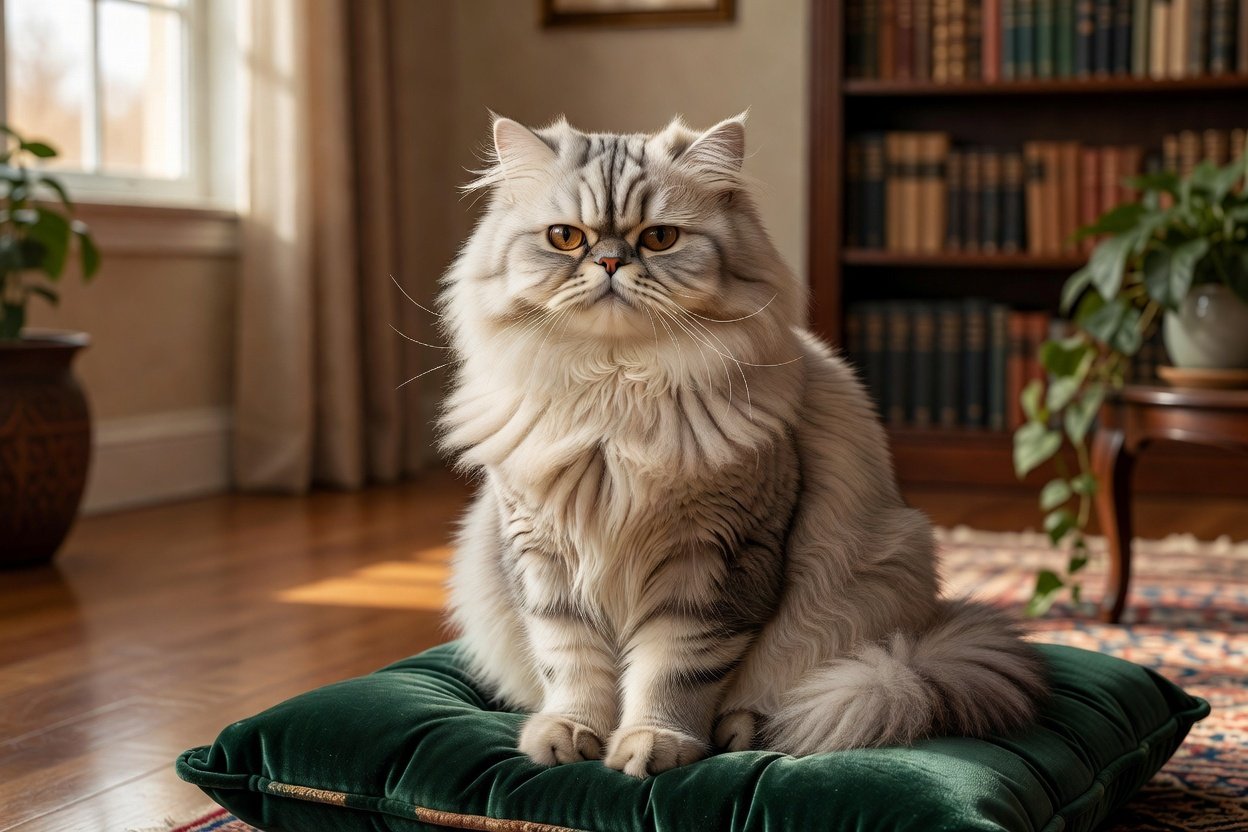
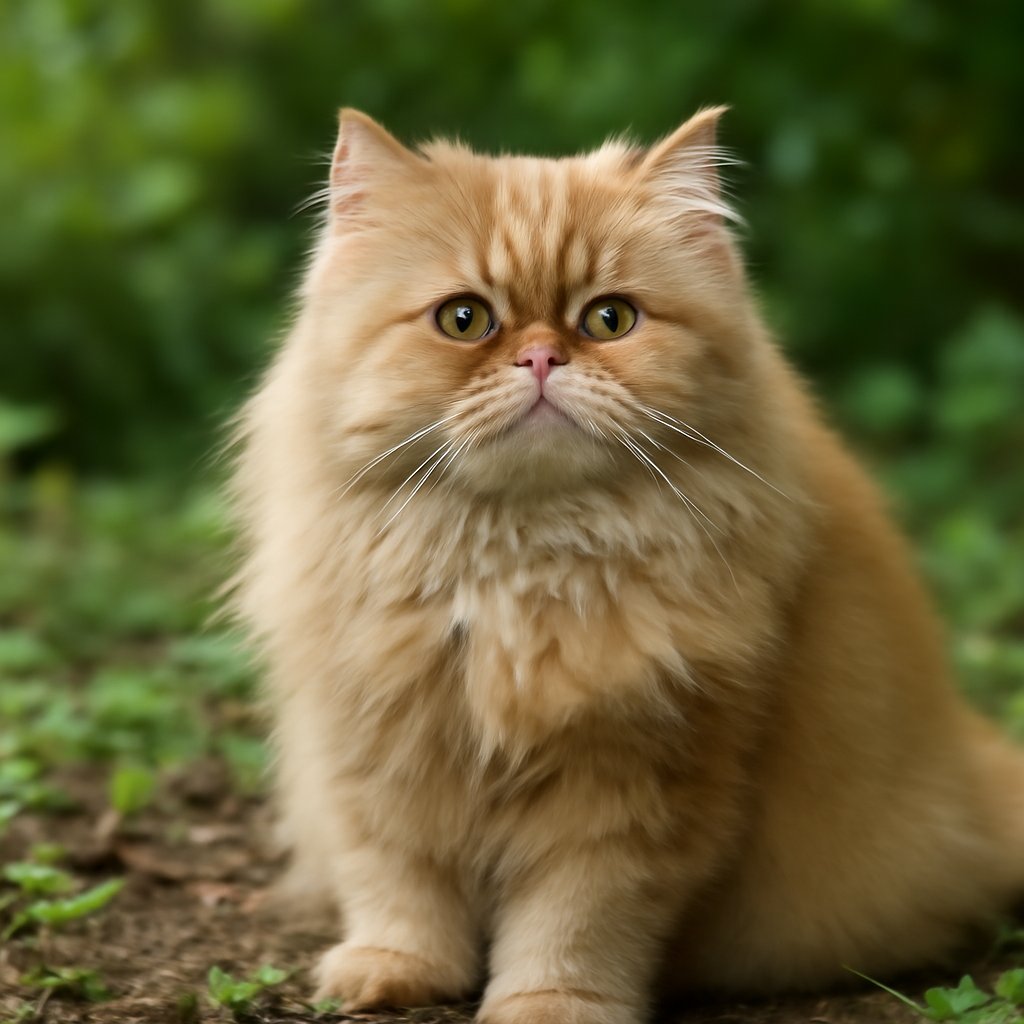
Physically, Persians are defined by that signature brachycephalic face, which gives them their sweet, almost doll-like expression. The long, silky coat comes in dozens of shades and patterns, including the striking Himalayan points, while adults typically weigh between seven and twelve pounds and stand about ten to fifteen inches at the shoulder. Their round eyes, small ears set low on a rounded head, and sturdy, low-slung bodies create that distinctive rolling walk. Daily brushing of fifteen to thirty minutes keeps mats at bay and reduces loose hair around the house, something I’ve learned the hard way with my own longhaired rescues. Regular eye wiping and dental care also help manage the tear staining and other needs common to flat-faced cats.
The grooming commitment for a Persian cannot be overstated. Their dense double coat requires consistent attention to prevent matting, which can become painful and lead to skin infections if left unaddressed. Many Persian owners find that investing in professional grooming every six to eight weeks, combined with daily home brushing, creates the best results. Using a metal comb, slicker brush, and mat splitter as part of your grooming routine helps identify problem areas early. Beyond coat care, Persians are prone to excessive tearing, which can stain their face and lead to skin irritation. Gently wiping the area around the eyes daily with a soft, damp cloth helps prevent these issues and keeps your cat more comfortable.
In temperament, these cats are the definition of lap companions—laid-back, affectionate, and happiest in a quiet, loving environment. They bond closely with their people, offering soft purrs and steady presence rather than wild play sessions. Training works best with patience and gentle encouragement. Persians tend to be less vocal than some other breeds, preferring to communicate through quiet meows, slow blinks, and physical closeness. This calm demeanor makes them excellent choices for families with older children, single owners, or anyone seeking a serene household companion. However, their need for peaceful surroundings means they may struggle in chaotic, high-traffic homes or with very young children who don’t understand gentle handling.
Health-wise, they can face challenges like polycystic kidney disease, hypertrophic cardiomyopathy, and breathing issues tied to their facial structure, so consistent veterinary checkups matter deeply. A balanced diet supports both weight and coat health, while simple enrichment like puzzle toys keeps their minds gently engaged. What every pet owner who’s adopted knows is that these care routines become quiet acts of devotion that strengthen the trust between you and your cat.
Polycystic kidney disease (PKD) is particularly significant in Persian cats, affecting a notable percentage of the breed. This hereditary condition causes cysts to develop in the kidneys, potentially leading to kidney failure. Responsible breeders now screen breeding cats using ultrasound to identify carriers and affected individuals, helping reduce the incidence in new generations. If you’re adopting a Persian, asking about PKD screening status and requesting documentation from the breeder is important. Additionally, their flat faces can predispose them to breathing difficulties and dental problems. Maintaining a healthy weight helps reduce stress on their respiratory system, and regular dental checkups can catch issues before they become serious.
Hypertrophic cardiomyopathy (HCM), a form of heart disease, also appears in the breed at higher rates than in some other cats. Regular veterinary screening, including heart ultrasounds when recommended, allows for early detection and management. While these health challenges are important to understand, many Persians live full, happy lives with proper preventive care and monitoring. The key is finding a breeder or rescue organization that prioritizes health testing and transparency.
On average, Persians live twelve to seventeen years with good nutrition and attentive care. The breed is recognized in more than eighty color combinations and consistently ranks among the top five most popular in the United States for its serene companionship. Because of their brachycephalic features, they thrive best in moderate, climate-controlled indoor settings. Genetic screening for polycystic kidney disease is often recommended by veterinarians. Beyond standard environmental controls, keeping your Persian at a healthy weight is crucial—obesity can exacerbate breathing difficulties and place additional stress on the heart and joints.
Nutrition plays a vital role in maintaining a Persian’s health and coat quality. High-quality cat foods with adequate protein support muscle maintenance and fur growth. Some owners find that adding omega-3 supplements or including wet food in their cat’s diet helps maintain skin and coat health. Discussing dietary choices with your veterinarian ensures your Persian receives optimal nutrition tailored to any individual health considerations. Fresh, clean water should always be available, and some cats prefer running water from fountains, which encourages better hydration.
The Persian’s social needs are worth considering before bringing one home. Unlike more independent breeds, Persians genuinely enjoy being part of their family’s daily life. They’re likely to follow you from room to room, settle nearby while you work, and appreciate your presence even if they’re not constantly demanding attention. This makes them wonderful companions for people who work from home or have flexible schedules, but they may experience separation anxiety if left alone for extended periods. Creating a comfortable space where your Persian can see and hear family activity, combined with predictable routines, helps them feel secure.
The Persian offers a beautiful blend of history and quiet charm that rewards the dedicated guardian. By honoring their journey from ancient roots to modern homes and meeting their unique needs with steady love, we create space for years of gentle companionship. Whether you find your Persian through rescue or another path, the emotional bond that forms is something truly special—much like the lessons my own rescue cats continue to share with me every day. The commitment to understanding and caring for this distinctive breed is one of the most rewarding relationships a pet owner can experience.
Sources
- American Kennel Club (AKC) – Breed information and standards
- ASPCA – Cat care and breed information
- VCA Animal Hospitals – Cat breed guide and health information
- PetMD
Related Posts
- The Ultimate Persian Cat Grooming Guide for Happy, Healthy Kitties
- How to Manage Multi-Cat Household Dynamics Peacefully
- Signs Your Cat Might Have Urinary Problems
- Popular Large Cat Breeds and Care Needs
- Top Family-Friendly Cat Breeds With Gentle Natures